
12 min read
A Montana Barndominium Built For Long Winters And Big Temperature Swings (climate-proof tips)


Edited by: Louise (Editor In Chief)
Fact/quality checked before release.
Fact/quality checked before release.
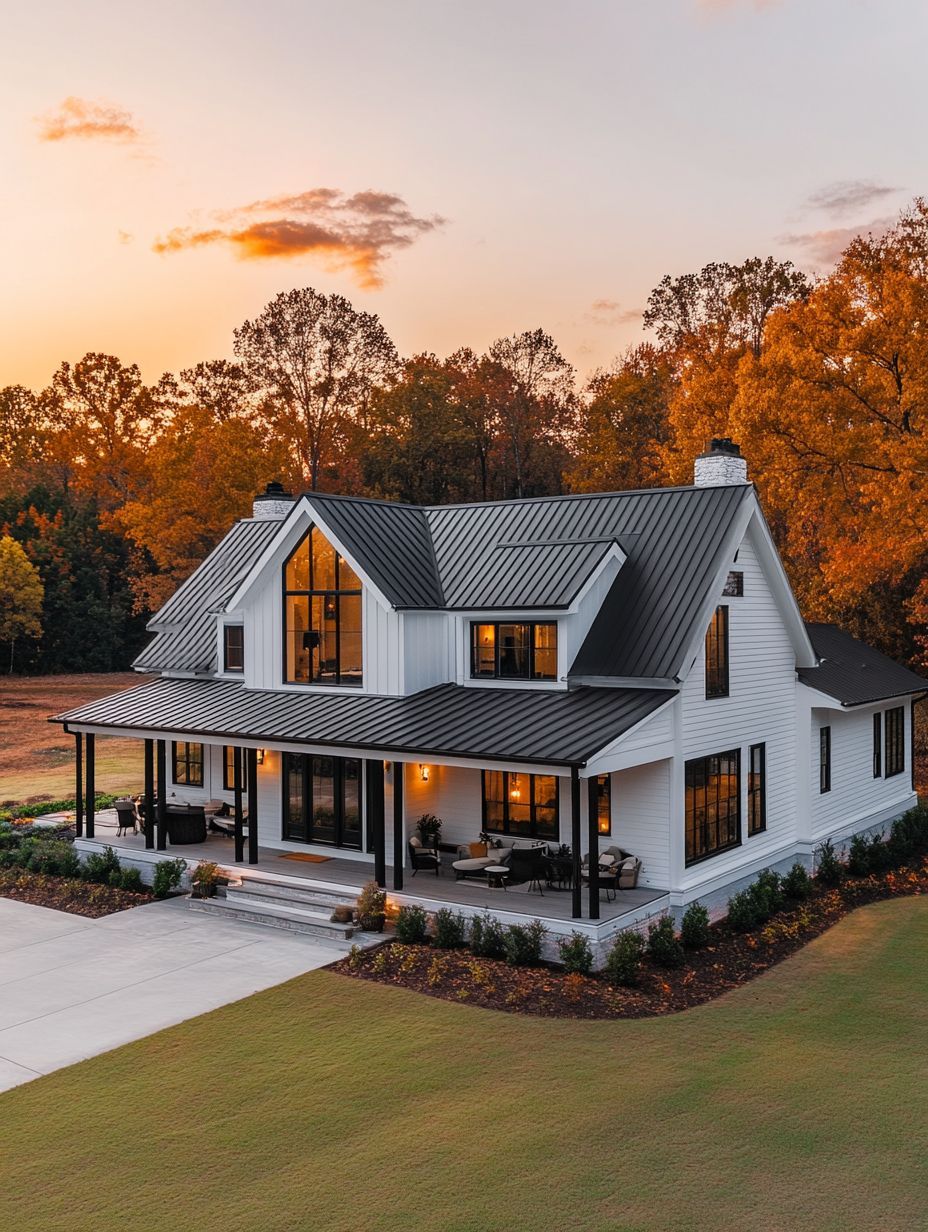
Picture this: it’s January in Montana. The sun’s out, the snow is blindingly bright, and you think, “Hey, not bad.” Then the wind hits, the temp drops like a rock, and your eyelashes are basically crunchy. That’s the vibe we’re building for.
In this post, I’m gonna walk you through what a Montana barndominium really needs to handle long winters, wild temperature swings, and those surprise sunny days that trick you into opening a window. We’ll hit the big stuff: snow and wind loads, insulation and air sealing, heating systems that don’t quit, moisture control so your windows don’t cry all winter, and the little layout details that make you love your place even when it’s been snowing for two straight weeks. I’ve been around enough builds to tell you, Montana doesn’t reward “good enough.” But if you do it smart? You get a tough, comfy home that feels like a cabin and works like a thermos.
Let’s get into it.
What Montana’s Climate Demands From A Barndominium
Montana is gorgeous, but it’s not gentle. A barndominium here has to deal with heavy snow, hard wind, and temps that can swing 40 degrees in a day. That combo finds every weak spot you didn’t know you had.
Quick little story. I once stayed in a metal building conversion outside Bozeman that looked awesome on day one. Then night hit. The whole place started making popping sounds like it was haunted. It wasn’t ghosts, it was metal and framing moving as the temperature dropped fast. And the windows fogged up so bad you couldn’t even see the porch light. That’s Montana reminding you who’s boss.
Snow Loads, Wind, And Ice Dams
Snow load is not a “maybe.” In a lot of Montana, you’re designing for serious roof loads, and drifting can stack snow in weird places. Wind is no joke either, especially in open areas and valleys where it funnels.
Ice dams are the other bully. They happen when heat leaks into the roof, melts snow, then that meltwater refreezes at the eave. Next thing you know, water is backing up under your roofing like it pays rent.
Rapid Temperature Swings And Condensation Risk
This is the sneaky one. When you’ve got warm indoor air and cold surfaces, moisture in the air turns into water on windows, inside walls, and sometimes even on metal panels. And if you trap that moisture, you’re basically feeding mold and rot. Not cute.
Barndominiums often have big open spaces and a lot of metal. That means thermal bridges and cold surfaces are more likely if you don’t design the envelope right.
Wildfire Smoke, Low Humidity, And Summer Heat Spikes
People think Montana is only about winter. Nope. You can get smoky weeks in summer, and heat spikes that make your big metal building feel like an oven if it’s under-insulated.
Also, winter air is dry. Like “my hands turned into sandpaper” dry. So you’re balancing air quality, humidity, and comfort year-round, not just surviving cold.
Designing The Building Envelope For Comfort And Durability
If you only remember one thing, make it this: the building envelope is your comfort. It’s your energy bill. It’s your “do I hate my house in February?” meter.
A Montana barndominium can be crazy efficient, but not if you build it like a basic shop with a couch in it.
Roof Shape, Overhangs, And High-R Load Roof Assemblies
Roof shape matters. Simple rooflines tend to perform better because they’re easier to air seal and insulate. Valleys and fancy jogs can become snow traps and leak magnets.
Overhangs are your friend. They protect walls from runoff and help keep windows cleaner. But they also need to be designed for snow and ice. If your overhang is flimsy, Montana will rip it off eventually. Might take a few years, but it’ll happen.
For roof insulation, go high-R and go smart. In cold climates, you want a roof assembly that stays warm enough to reduce condensation risk. That usually means a mix of cavity insulation plus continuous insulation, or a well-detailed vented roof with deep insulation. The details matter more than the marketing.
Continuous Insulation And Thermal-Bridge Control In Metal Buildings
Metal buildings love to conduct heat. That’s the problem. Steel framing is basically a heat highway from inside to outside.
Continuous insulation breaks that highway. Think rigid foam or mineral wool installed so it wraps the structure, reducing thermal bridging. If you skip this and only stuff batts in the cavities, you’ll still have cold stripes and hot stripes, and comfort gets weird.
And yes, you can still finish it beautifully. You just have to plan for wall thickness, window bucks, and trim details from day one.
Air Sealing Strategy And Ventilation For A Tight Home
Insulation slows heat movement. Air sealing stops the leaks that make insulation kinda pointless.
I like to think of air leaks as tiny invisible holes you’re paying to heat. Seal the big ones first: rim areas, top plates, penetrations for plumbing and electrical, and around windows and doors.
But here’s the deal. If you build tight, you must ventilate right. Not “crack a window sometimes.” Real ventilation. In Montana, that often means balanced ventilation so you don’t dry the house into a desert or pull smoke inside during wildfire season.
High-Performance Windows And Cold-Weather Door Details
Windows are where comfort goes to die if you cheap out. High-performance windows with low U-factors and good air sealing make a massive difference in a place where it might be below zero for days.
Doors matter too. Look for insulated exterior doors, good weatherstripping, and attention to thresholds. Also, don’t ignore the garage or shop door if it’s attached. A leaky overhead door can chill the whole building like an open fridge.
Heating And Cooling Systems That Handle Subzero Nights And Sunny Days
Montana weather loves to mess with you. It’ll be 5°F at 7 a.m., then you’re sweating in a south-facing living room by 2 p.m. So the best system is one that can respond, not just blast heat.
Right-Sizing Heat Sources For Large Open Plans
Barndominiums often have big open plans and tall ceilings. Looks awesome. But big volumes can trick you into oversizing equipment.
Right-sizing starts with a legit load calculation, not guesswork. If you oversize, systems short-cycle, comfort drops, and efficiency goes down. Plus it costs more up front. It’s like buying a monster truck to drive to the mailbox.
Radiant Floors Vs. Forced Air Vs. Mini-Splits In Cold Climates
Radiant floors are a Montana favorite for a reason. Warm feet, steady comfort, and it handles open spaces nicely. It’s also great if you’ve got a slab-on-grade build.
Forced air can work well too, especially if you design the ductwork thoughtfully and pair it with good filtration for smoke season. But ducts in unconditioned spaces are a classic mistake, they bleed heat.
Cold-climate mini-splits have gotten really good, and they’re awesome for zoning. The trick is making sure the model is rated for low temps and planning backup heat for the nastiest nights.
If it were my build, I’d think in layers: a primary system for everyday comfort, plus a secondary option for extremes or outages.
Backups For Outages: Wood, Propane, And Generator Readiness
Outages happen. And when it’s -15°F, the house doesn’t care why the power’s out.
Wood stoves are legit backup heat if you like that lifestyle and you plan for wood storage and ash cleanup. Propane heaters can be a solid backup too, and a generator hookup (with transfer switch) is one of those unsexy upgrades you’ll brag about later.
My rule: if your heating system needs electricity, have a plan B that doesn’t rely on wishful thinking.
Controlling Moisture And Indoor Air Quality Through The Seasons
Moisture is the quiet destroyer. You can have a beautiful barndominium and still end up with condensation, smells, and mold if you ignore how water vapor moves.
Vapor Control Layers And Where They Belong In Montana
In Montana, you’re mostly heating, not cooling. So vapor drive is generally from inside to outside in winter. That means you need a vapor control strategy that fits your wall and roof assembly.
I’m not gonna pretend there’s one magic material. The right approach depends on whether you’re using exterior continuous insulation, what your sheathing is, and how you’re venting the roof.
The big idea: don’t trap moisture between two vapor-tight layers. Let assemblies dry to at least one side. If you’re unsure, it’s worth paying for a pro to review the wall stackup. That fee is cheaper than ripping out a moldy wall later.
ERVs, Humidification, And Winter Comfort Without Mold
A tight home needs mechanical ventilation. An ERV can help keep fresh air coming in while reducing the comfort penalty. And during smoke season, good filtration is a lifesaver.
Humidity is tricky. Too low and you feel terrible. Too high and you get window condensation and mold risk.
I like a simple target: keep indoor humidity reasonable in winter, and monitor it. A cheap hygrometer tells you a lot. If your windows are soaking wet every morning, your house is screaming for better ventilation or lower humidity, or both.
Mudrooms, Gear Drying, And Entryways That Contain Snow And Slush
This is where the “livability” magic happens. Give snow a place to die.
A real mudroom with a floor drain (if you can), hooks, a bench, and space for boots and wet gear keeps the rest of the house clean. Add a gear drying closet or a small ventilated room if you ski, hunt, or work outside.
And don’t forget: a little air sealing at entries goes a long way. Leaky mudroom doors can make the whole place feel drafty.
Site Planning And Exterior Details For Long Winters
You can build a perfect envelope and still have a miserable winter if the site planning is off. Snow drifts don’t care about your Pinterest board.
Orientation For Winter Sun, Drifting Snow, And Shelter From Wind
If you can, orient your main glazing and living spaces to grab winter sun. That free heat is real, and it also makes the place feel brighter when winter gets long.
But watch the wind. Place the building and any windbreaks to reduce drifting at doors and driveways. I’ve seen front doors become unusable because the drift pattern wasn’t considered. You don’t want to shovel your way into your own house like it’s a daily workout plan.
Foundations, Frost Depth, And Slab Edge Insulation
Montana frost is deep, and frost heave is not your friend. Your foundation design should match local frost depth requirements and soil conditions.
If you’re doing a slab, slab edge insulation is huge for comfort and efficiency. That edge is where heat likes to leak out, and where your feet will feel it first.
Driveways, Drainage, And Roof Runoff Management
Plan drainage like you’re trying to protect your home from a sneaky enemy. Because you are.
Manage roof runoff so it doesn’t create ice rinks at your entries. Gutters can be tricky in snowy climates, but splash blocks, grading, and smart downspout placement matter.
Driveway slope and surface choice also change your daily life. If you’ve ever tried to back up an icy incline, you already know.
Interiors And Layout Choices That Stay Livable All Winter
Winter is when your floor plan tells the truth. In July, everything feels fine. In February, you find out if your house actually works.
Zoning Large Volumes: Loft Heat, Ceiling Fans, And Stratification
Heat rises. In barndominiums with lofts or tall ceilings, that can mean your upstairs is roasting while your feet are freezing.
Ceiling fans help destratify the air. Zoning helps too, so you’re not heating the whole volume the same way all the time. If you’ve got a loft, think about how warm air moves and where returns or transfer grilles might go.
Also, don’t put the thermostat in a spot that lies to you. If it’s in a sunny patch, you’ll be cold all day.
Durable Finishes For Grit, Salt, And Boots
Montana winter brings grit. Sand. Salt. Little rocks that somehow teleport into your socks.
Use durable, easy-clean flooring near entries. Tile, sealed concrete, good LVP, even tough engineered wood in the right areas. Area rugs are great, but they should be shake-out-able and not precious.
Wall finishes matter too. A washable paint in high-traffic zones will save your sanity.
Storage For Firewood, Tools, And Winter Equipment
Storage is comfort. Period.
Have a place for firewood that’s dry and accessible. Have a spot for shovels, traction sand, sleds, and the random stuff you only need when it’s awful outside.
If you’re mixing shop and living space, plan the transition so you’re not tracking metal shavings into the kitchen. Ask me how I know. Actually don’t, it’s embarrassing.
Budget Priorities And Common Mistakes To Avoid
Budgets are real. I respect that. But Montana is a place where “saving money” can turn into “paying twice.” So I prioritize the stuff you can’t easily fix later.
Where Spending More Pays Off Most In Montana
If I had to pick the top budget winners:
- Insulation and thermal-bridge control (comfort and operating cost)
- Air sealing (drafts are morale killers)
- Windows and exterior doors (huge comfort upgrade)
- Ventilation and filtration (especially with wildfire smoke)
- A reliable heating plan with backup (sleep-at-night factor)
Spend on the shell. You can upgrade countertops later. You can’t easily redo your entire roof assembly without tears.
Costly Missteps: Underinsulation, Leaky Doors, And Poor Venting
Here’s what bites people the most:
- Underinsulation: the house never feels steady, and bills stay high.
- Leaky doors and sloppy flashing: drafts, ice, and water damage.
- Poor venting: condensation, foggy windows, and indoor air that feels stale.
And a classic barndominium mistake: treating it like a shop and hoping the house part will “just work out.” Nope. A home needs different details than a utility building. The good news is, if you plan for it, you get the best of both.
Conclusion
A Montana barndominium built for long winters and big temperature swings isn’t about being fancy. It’s about being ready. Ready for snow that piles up sideways, for sun that blasts through your windows on a 10°F day, for power outages, and for wet boots that show up uninvited.
If you take anything from me, take this: build the envelope like a winter jacket with a zipper that actually closes. Then choose heating, ventilation, and layouts that match how you live, not just how it looks in a photo.
Do it right, and when the forecast gets dramatic, you won’t panic. You’ll make coffee, kick off your boots in a mudroom that actually works, and enjoy the fact that your house is steady even when Montana is doing the most.