
8 min read
This Oregon Farmhouse Feels Like the Perfect Autumn Hideaway (what you’ll learn)


Edited by: Louise (Editor In Chief)
Fact/quality checked before release.
Fact/quality checked before release.
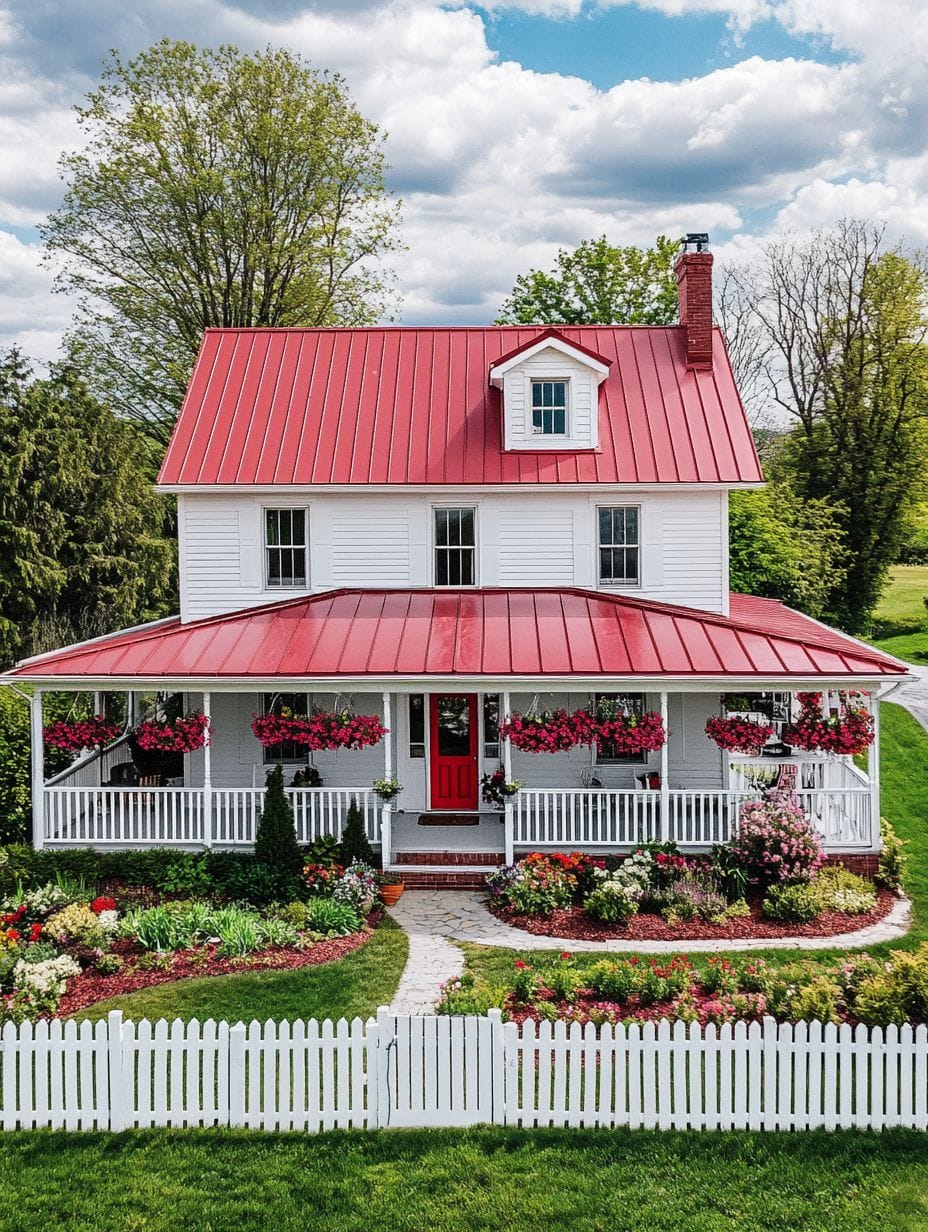
I’m excited to take you inside an Oregon farmhouse that, to me, looks like it was built for October: foggy mornings, a woodstove that hums, and leaves the color of pennies.
I’ll show you why the location and season make this place sing, point out the architectural bits that feel honest and lived-in, walk through the rooms that beg you to slow down, and give real, practical tips so you can bring some of this autumn hideaway magic into your own home. Stick with me, I’ll even tell a short, ridiculous story about a runaway pumpkin.
Why Location and Season Make It Special
There’s something about Oregon in the fall that grabs you by the collar. Rain softens the light, mountains hold the clouds like someone pressed a thumb into the sky, and the landscape turns into a patchwork of rust, gold, and deep green. This farmhouse sits tucked near a stand of maples and Douglas firs, close enough to hear the creek but far enough from the road that the biggest sounds are boots on the porch and the wood cracking in the stove.
Location matters because it sets the mood. Out here, autumn doesn’t feel like a calendar entry, it’s the main event. Cool mornings call for heavy blankets and coffee that actually tastes like coffee. Shorter days pull you inside, and the house responds: smaller, warmer rooms, low windows framed by flannel curtains, and porches that catch the last of the light. I love how the exterior colors, weathered gray siding, a faded red barn door, and mossy stone steps, play off the fall palette. It all feels deliberate but not fussy, like someone who knows the rhythms of the land built it to last and to welcome change.
The season amplifies everything: the creak of old floorboards becomes comforting, mist on the fields reads like a painting, and even chores feel romantic. You can’t replicate this exact vibe in the city, but you can borrow a lot of it: focus on texture, layers, and lighting that leans warm, not harsh.
Historic Architecture and Rustic Details
This farmhouse wears its age like a good jacket. The bones are honest: wide-plank floors, exposed beams, and a steep gabled roof that was probably built to shrug off heavy winters. Historic windows, the kind with slight waviness in the glass, let in light soft as wool. The porch is deep and forgiving: you can sit there with muddy boots and no one will judge.
What sells the rustic feeling are the small details. You’ve got hand-forged hardware on pantry doors, a scrolled bracket here and there, and plaster that’s slightly uneven because real people lived in it long before it was photographed. The kitchen has an old Aga-style stove or maybe a repurposed cast-iron range, and the sink is wide and deep enough to soak big pots after canning tomatoes. Those original features aren’t preserved like museum pieces, they’re kept honest because they’re still used.
I like places where the repairs tell a story: a board replaced by a neighbor, a patch of mortar that’s a different color because it was fixed in a different decade. It gives the place personality that new things can’t fake. If you’re into authenticity, skip the staged antiques and look for homes where the wear matches the life lived there.
Interior Spaces That Invite Cozy Living
Inside this house, the rooms are designed for living, not showing. Nothing’s too precious. The layout flows in a way that makes you want to slow down: a kitchen that opens into a breakfast nook, a sitting room with built-in bookshelves, and a low-ceilinged study where you can hide with a mug and a laptop.
The color palette is quiet, creams, warm grays, muted greens, with pops of burnt orange and burgundy from cushions and quilts. Fabrics are heavy and tactile: wool throws, linen slipcovers, cotton rugs. Lighting is layered and forgiving: a central pendant, wall sconces with soft bulbs, and task lamps that focus instead of blasting.
Furniture leans toward the comfortable and well-worn: a deep sofa that might have a stain or two, a leather club chair with a squeaky spring, a farmhouse table scarred from family meals. It’s the kind of place where crumbs are evidence of good times, not neglect.
Seasonal Styling: How Autumn Transforms the Home
Autumn is when this farmhouse breathes deepest. I toss heavier rugs down, swap out bright summer throws for chunkier knit blankets, and bring in a few branches from the yard, birch with papery bark or maple with leaves the color of toasted marshmallows. Scent matters: simmer a pot of cider with cloves, orange peel, and a cinnamon stick: lighting a beeswax candle makes the air feel cozy without smelling like a mall.
Layering is everything. You’ll see plaid blankets on backs of chairs, a basket of firewood by the stove, and seasonal ceramics on open shelves. The trick is restraint: pick a few key spots to accent, not the whole house. That way the eye rests and the house feels intentional, not overdone.
Key Rooms and Materials for Fall Ambience
- Kitchen: Use copper pans, wooden utensils, and a big stoneware bowl for apples. Those materials age beautifully and catch warm light.
- Living room: Heavy wool rug, an ottoman that doubles as a coffee table, and lots of throw pillows with varied textures.
- Bedroom: Flannel sheets, a wool blanket at the foot, and a small bedside lamp for reading.
- Materials to favor: reclaimed wood, aged metal, natural stone, and hand-thrown pottery. These read as earthy and tactile, perfect for the season.
Outdoor Spaces and Landscape In Harmony With Autumn
The outdoors here is an extension of the house. The yard is informal, a meadow edge, an orchard that still bears fruit, and hedgerows that become riotous color in October. Paths are gravel or crushed stone, and a simple picket fence keeps things quaint without being precious.
Porches are important. A screened-in porch becomes a second living room: rain taps the roof, and you’re dry and warm inside with a quilt over your knees. A fire pit out back invites late-night talks and marshmallow experiments gone wrong. The garden is practical: late-season kale, root veggies tucked away, and a small cold frame for extending harvests.
Light is different in fall. Plan outdoor seating to catch golden hour. Use lanterns and string lights to make the space usable after dusk. Native plantings, sedges, late-blooming asters, and ornamental grasses, keep the landscape alive visually even as the canopy thins.
Practical Considerations: Comfort, Heating, and Maintenance
A farmhouse that feels dreamy can also be a lot of work, so let’s get real about comfort and upkeep. Heating is the main story. A woodstove is perfect for atmosphere and heat, but you need a good chimney, seasoned wood, and someone who enjoys stacking. If you want low-fuss comfort, consider a modern high-efficiency stove or a well-placed pellet insert that gives heat without as much elbow grease.
Insulation matters. Old houses leak warmth like a sieve unless retrofitted. Add attic and crawlspace insulation, weatherstrip original windows, and use heavy curtains at night. That preserves the character while making the place tolerable when the temperature drops.
Maintenance is ongoing. Expect to paint trim, fix gutters, and check the roof. Keep a toolbox close and a reliable local contractor on speed dial. For plumbing, insulating exposed pipes prevents winter headaches. And for comfort, invest in a mattress that feels like a hug and slippers that actually grip the floor.
Finally, plan for mud. Entryways need durable floors and a place for boots, a bench with shoe storage and a mat that hides dirt is my favorite kind of furniture.
How To Recreate This Oregon Farmhouse Feel At Home
You don’t need a 19th-century property to get this vibe. Here are practical, affordable moves:
- Start with light and layers: swap harsh bulbs for warm, dimmable lights. Use table lamps and floor lamps to create pockets of glow.
- Textures over trends: add wool throws, woven baskets, and a reclaimed-wood shelf. These last longer and age better than fad pieces.
- Bring the outside in: clip branches, use seasonal fruit as decor, and lean on pottery that looks like it’s been made by hand.
- Keep furniture comfortable: prioritize sofas and chairs you’ll actually sit in. If something is pretty but not comfy, it ends up in storage.
- DIY aged finishes: sand edges, use a diluted stain, or apply a light whitewash to new wood to make it look lived-in without faking history.
- Heat smart: if you don’t want a woodstove, get cozy with electric throws, heated mattress pads, or an efficient space heater in the room you use most.
A quick anecdote: one autumn I tried to impress guests with a “harvest” centerpiece. I put a big pumpkin on the table and, of course, a stray dog named Lucy thought it was a toy. She pushed it, which rolled, which knocked over my cider pitcher, which soaked the quilt. We all laughed, dried things, and that ruined-perfect table felt way better than the staged one I’d meant to show off. That’s the point, comfort beats perfection every time.
Conclusion
This Oregon farmhouse sells an idea as much as a style: that homes should hold seasons, encourage messy gatherings, and feel earned. You don’t have to move to the country to capture its spirit. Focus on honest materials, layered lighting, practical warmth, and a few seasonal touches. And remember: a lived-in home that welcomes spills, guests, and the occasional runaway pumpkin will always feel cozier than a showroom-perfect space. Now go make a cup of something warm, put on a sweater, and try one small change, a wool throw, a beeswax candle, or a branch in a jar. You’ll see the difference right away.