
8 min read
This Kentucky Farmhouse Shows How To Do Fall Decorating Right (ideas & steps)


Edited by: Louise (Editor In Chief)
Fact/quality checked before release.
Fact/quality checked before release.
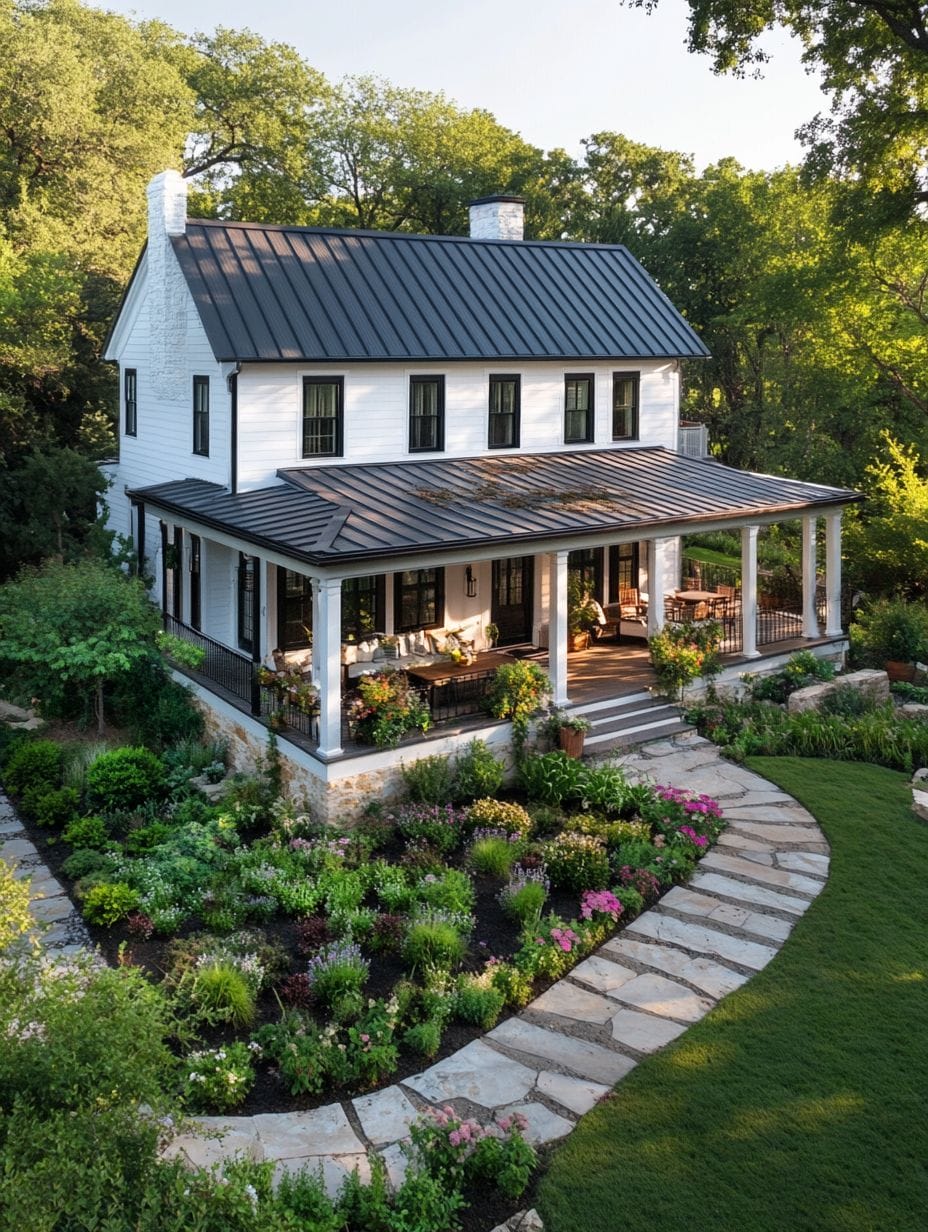
I fell in love with this Kentucky farmhouse the minute I walked up the gravel drive: sagging porch swing, a pile of mums at the steps, and the smell of wood smoke in the air. In this piece I’ll show you why this house is a fall-decorating masterclass, break down the look into practical elements, go room-by-room with ideas you can actually use, and give DIY, sourcing, and maintenance tips so you don’t end up with a dozen dusty corn husks in June. Stick with me, we’ll keep it simple, budget-friendly, and a little bit sneaky (in a good way).
Why This Kentucky Farmhouse Is A Fall Decorating Inspiration
There was nothing fancy about it. Just a weathered porch, a crooked railing, and a yard that rolls into a patchwork of gold and rust in October. But the way the owners dressed that house for fall? Perfection. It’s not about buying everything new. It’s about choices that feel lived-in and honest.
What makes this farmhouse a standout is its restraint. They layer without cluttering. They pick one focal point per space, usually a mantel, a table, or the front porch, and treat that like the headline act. Every accessory has a job: warmth, texture, or a small story. That’s what I want you to take away: fall decorating that looks collected, not cataloged.
Here’s a quick peek at what we’ll cover: the core elements that define farmhouse fall, the color and texture play, practical room-by-room ideas, DIY projects you can finish in an afternoon, where to find bargains, and how to keep it all manageable year to year. Let’s get into it, and yes, expect a few hacks I learned the hard way.
Key Elements Of Farmhouse Fall Style
Farmhouse fall is about comfort, patina, and a little grit. You want things that whisper “home,” not shout “holiday store.” Here’s how to think about it.
- Simplicity first. Pick one or two strong items, a big wreath, a pair of lanterns, or a vintage trunk, then add small accents.
- Natural materials. Wood, burlap, aged metals, and ceramics belong here. They age well and feel real.
- Layered texture. Mix rough linen with chunky knits and soft leather. Textures read richer than colors do.
- Functional decor. Use items that serve: baskets that hold throws, trays that corral candles, mason jars for utensils.
I like to mix in a few sentimental pieces: a worn quilt, a wooden crate from a flea market, a hand-thrown pot. They keep the look from feeling staged. If you’ve got a story behind an item, display it. People respond to story more than symmetry.
Color Palette, Textures, And Lighting
Fall colors here are quiet and deep: muted pumpkin, oxblood, deep olive, and a lot of creamy neutrals. You don’t need neon orange. Instead, aim for burnt sienna, mustard, and the green of dried sage.
Textures are where the money’s at. Think chunky wool throws on ladder racks, burlap table runners, and woven baskets. A tin pitcher with a soft patina beats a bright plastic vase any day.
Lighting sets the mood. Swap out one overhead light for a warm bulb, add candles in hurricane glasses, and use string lights on the porch. I keep a mix of task and ambient lighting: a reading lamp near the chair, soft up-lighting on the mantel, and lanterns on the steps. Lighting is the trick that makes thrifted pumpkins and a sack of wheat feel cinematic.
Small tip: use LED flameless candles in spots where you’ll forget to blow things out. They look real from across the room and keep you from setting a wreath on fire.
Room-By-Room Decorating Ideas
I’ll walk the house with you. Think of this as a map you can follow in an afternoon.
Entryway And Mudroom
Your entry should say welcome, not “we hoard everything here.” Start with a reclaimed bench, a big basket for shoes, and a seasonal doormat. A simple autumn runner on the bench, a stack of pumpkins (real or faux) by the door, and a wreath that uses local branches instantly signals fall.
Practical hack: swap your everyday hooks for a few labeled baskets for gloves, dog leashes, and mail. It keeps the clutter from becoming decor.
Living Room And Gathering Spaces
Pick a focal point: mantel, bookshelf, or coffee table. Anchor it with a chunky throw and a low-profile centerpiece, a wooden tray, some pillar candles, and a few dried seed pods do wonders.
I like to scatter smaller, tactile things: a ceramic bowl with pine cones, a stack of well-loved books, and an amber glass bottle with a single branch. Use throws in different textures so guests can grab one without ruining the look.
Kitchen And Dining Areas
The kitchen is where farmhouse fall gets functional. Line a long table with a burlap runner, place a row of mason jars with tea lights, and use wooden crates as risers for fruit or baked goods. Serveware should be robust: stoneware plates, enamel pitchers, and wooden serving spoons.
A small DIY chalkboard with the week’s pie flavors? Cute, useful, and very farm-to-table.
Front Porch And Outdoor Vignettes
This is your billboard. Stack pumpkins of different sizes, add lanterns, and tuck in mums. Use a sturdy hay bale as a makeshift table for a pumpkin display. Hang a wreath: if it’s windy, secure it with fishing line.
Tip: put a welcome sign that faces the street. I bet you’ll get compliments from neighbors, and maybe a few requests for your pumpkin-pairing secrets.
Bedrooms And Personal Spaces
Keep bedrooms cozy and low-key. Swap out summer shams for flannel pillowcases, lay a wool throw at the foot of the bed, and bring in a small vase of dried flowers. Don’t overdo it: sleep should feel calm, not like a stage set.
DIY Projects And Sourcing Tips
You don’t have to empty your wallet to get this look. A few DIY projects and thrift-score strategies will get you there.
Easy DIY Centerpieces And Wreaths
- Pumpkin centerpiece: Hollow a small pumpkin, line it with plastic, fill with floral foam, then arrange dried wheat, eucalyptus, and a few faux berries. It lasts all month.
- Simple grapevine wreath: Wrap a grapevine wreath with a strip of burlap, tuck in a few faux stems, and secure with hot glue. Cheap, fast, and looks like you paid more than you did.
- Mason jar lanterns: Glue a wide ribbon around the neck, tie twine, drop in a candle or LED tealight.
Where To Find Budget-Friendly Farmhouse Pieces
Hit local flea markets, estate sales, and online marketplaces. Look for solid wood, unfinished surfaces, and classic shapes. Don’t buy chipped glassware unless you like projects.
Community yard sales are gold for vintage trays and mason jars. And don’t sleep on hardware stores, sometimes their seasonal sections have real gems.
Using Thrifted And Repurposed Finds
Repurpose a wooden crate as a planter, or turn old shutters into a rustic headboard. I once painted a weathered window frame and used chicken wire to hang photos. It turned out better than I expected, and cost next to nothing.
When you thrift, prioritize durability. If it’s wobbly, fix it or walk away. A ten-minute repair is worth a dozen bad returns.
Practical Considerations: Budget, Storage, And Maintenance
Putting the look together is one thing. Keeping it affordable and usable is another.
Seasonal Styling Schedule And Swapping Tips
Make a simple plan: one weekend for the porch, one for the mantel, and one for the table. Don’t try to do everything in one Saturday unless you’re willing to accept chaos.
Rotate items: store delicate decor in labeled tubs and keep durable seasonal pieces (lanterns, crates, faux pumpkins) together. That way, your “set-up” time next year is mostly unpack and place.
Weatherproofing Outdoor Decor
Use weather-resistant ties and avoid real pumpkins on hot porches, they rot. Seal wooden signs with a clear outdoor polyurethane and use galvanized metal where possible. If you want lights outside, always use outdoor-rated strings and plugs. Safety first, glitz second.
Budget note: spend on stuff that lives outside all season, like lanterns and durable planters. Cheap cushions and fresh mums can be replaced each year.
Bringing The Look Home: Simple Start-To-Finish Plan
Ready for a one-day plan? Here’s a do-able flow I use when I’m short on time.
Morning: Tackle the porch. Stack pumpkins, place lanterns, and lay down a seasonal doormat. Add a wreath and you’re 70 percent done.
Afternoon: Move inside to the entry and living room. Lay out throws, place a centerpiece on the coffee table, and swap pillow covers.
Late afternoon: Quick hits in the kitchen and dining area. Add a runner, light a candle, set out a basket of apples or pears.
Evening: Walk through with a warm bulb in a lamp, light a few candles, and tweak any placement. Sit down with a cup of cider and admire your work, you earned it.
If you only do one thing, do the porch. It sets the tone for everything else.
Conclusion
This Kentucky farmhouse proves that fall decorating is less about matching and more about mood. Pick a focal point, layer textures, use natural materials, and treat your home like a story you’re telling, not a showroom to be cleared the minute company leaves.
Start small, choose durable pieces, and make a plan so the whole project doesn’t feel like a second job. Do a porch, a mantel, and a table centerpiece, that combo will get you 90 percent of the coziness for 30 percent of the effort.
Go on. Grab a ladder, some twine, and an old blanket. You’ll be surprised how much warmth you can create with a few honest things and a little attention.