
8 min read
An Ohio Barndominium: A Private Hocking Hills Getaway


Edited by: Louise (Editor In Chief)
Fact/quality checked before release.
Fact/quality checked before release.
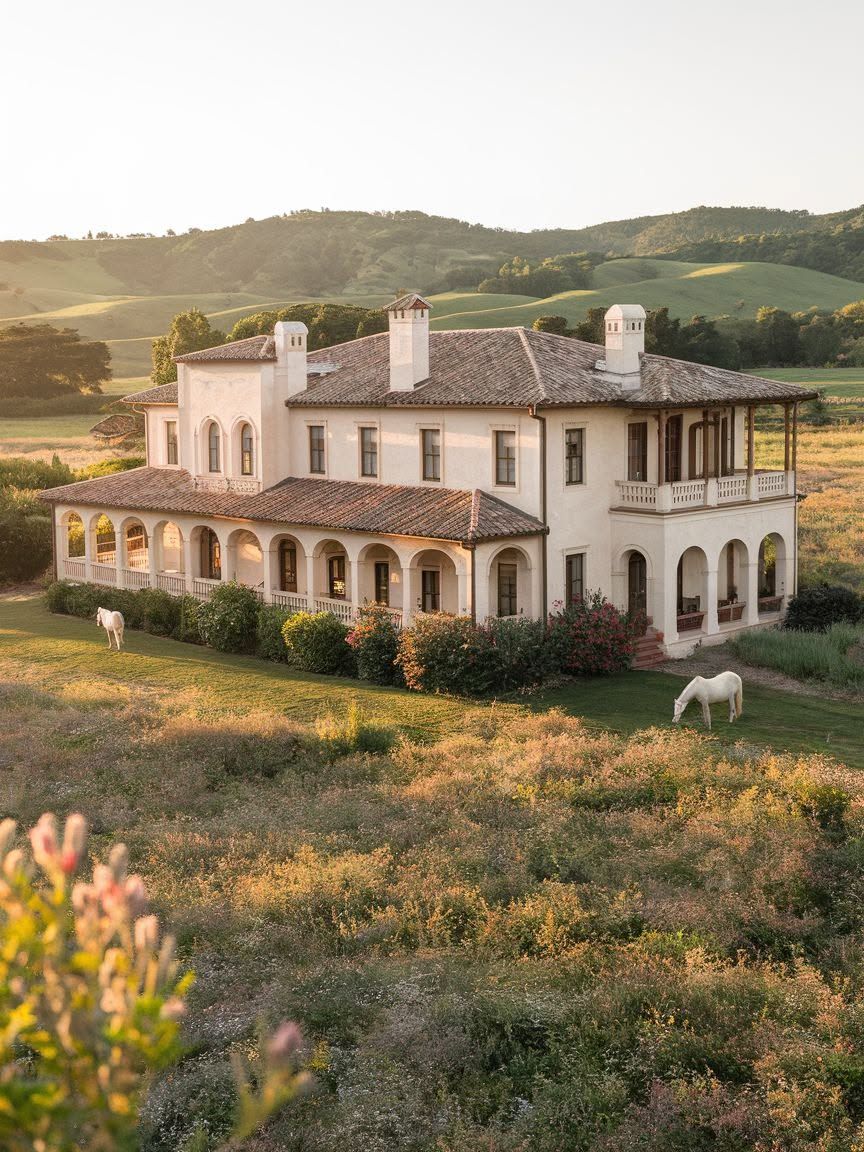
There’s a particular quiet that settles in once you pull off the gravel road and the tree line closes behind you. I felt it the first time I stayed in a barndominium tucked into the Hocking Hills region, somewhere between Logan and Laurelville, with nothing but birdsong and the occasional creak of a porch swing. An Ohio barndominium set among the wooded ridges of Hocking Hills gives you the private, close-to-nature feel of a remote cabin while keeping the space, comfort, and modern design of a full-size home.
That combination matters more than it sounds. A lot of rental cabins in this part of Ohio lean small and rustic, which is charming for a weekend but tight for a family or a group of friends. A barndominium flips that script: soaring ceilings, open great rooms, and the kind of square footage that lets everyone spread out after a day of hiking.
I’ve found that the appeal isn’t just architectural. It’s the pairing of that barn-style structure with land that actually feels secluded, not just marketed that way. Here’s what to look for, and look out for, before you book one for yourself.
What Makes the Barndominium Design Stand Out?
A barndominium stands out because it borrows the bones of a working barn and fits them with the comforts of a residential home. Metal or post-frame construction, tall rooflines, and oversized windows give the exterior a distinct, rural silhouette, while the inside delivers the open layouts and finished comfort guests expect from a vacation rental.
Barn-Inspired Architecture and Residential Comfort
The exterior reads as agricultural: simple gable rooflines, metal siding, and generous porches that echo a traditional Ohio barn. Step inside and the feel changes completely. Vaulted ceilings with exposed wood beams, finished flooring, and full kitchens turn that rustic shell into a comfortable home. If you want a primer on what separates this style from a standard cabin or farmhouse, a beginner’s guide to this unique home style lays out the defining features clearly.
How Layout, Light, and Materials Shape the Retreat
Open floor plans do most of the heavy lifting in a retreat like this. Large windows pull in natural light and frame the surrounding woods, while raw materials like wood and metal keep the interior grounded rather than sterile. Builders use a handful of recurring barndominium design tricks that make a big statement, including dropped ceiling beams and oversized sliding doors, and I notice those same details show up again and again in the nicer Hocking Hills rentals.
What Makes the Setting Feel Private?
A setting feels private when trees, distance, and topography do the work that fences can’t. In Hocking Hills, that usually means a long gravel drive, mature forest on at least two sides, and no direct sightline to a neighboring structure.
Wooded Surroundings, Sightlines, and Neighboring Homes
The best barndominium rentals I’ve seen in this region sit on parcels ranging from a few acres to well over a hundred, with tree cover doing most of the privacy work. Some properties, like retreats built a mile back from the main road, use that distance deliberately so guests never hear traffic or see another rooftop. Check listing photos for sightlines toward neighboring homes before booking; a property described as “wooded” can still back up to a visible structure if the trees are thin.
The Difference Between Seclusion and Isolation
Seclusion means privacy without giving up convenience, while isolation means you’re genuinely far from help, groceries, or cell signal. A good Hocking Hills barndominium sits close enough to Logan or Nelsonville for a grocery run, even though it feels like you’re the only ones in the forest. I’d rather stay somewhere secluded than isolated, since isolated properties can turn stressful fast if a storm knocks out power or a road washes out.
How Do the Interiors Support Everyday Comfort?
Interiors in these rentals support comfort through generous shared spaces and well-separated sleeping quarters. The goal is a home where a group can cook, eat, and relax together without tripping over each other, then retreat to private corners when needed.
Living and Dining Spaces for Time Together
Open-concept kitchens and living rooms turn out to be where most groups actually spend their time, more than any bedroom or deck. Full-size dining tables, large sectional sofas, and a fireplace or wood stove are common fixtures. I’ve stayed in rentals where the kitchen island alone sat six people comfortably, which makes a real difference for a family cooking a big breakfast before a hike. Several layout ideas that just make sense for these homes focus on exactly this: keeping cooking, eating, and lounging in one connected zone.
Sleeping Arrangements and Places to Unwind
Bedroom counts vary widely, from a two-bedroom unit sleeping four up to larger lodges with eight bedrooms sleeping more than two dozen guests. Lofts are a common feature, often tucked above the main living area and used as a bonus sleeping space or quiet reading nook. Bathrooms generally scale with bedroom count in the nicer rentals, which avoids the morning bottleneck that smaller cabins often create.
Where Does Indoor Living Meet the Outdoors?
Indoor and outdoor living meet most naturally on the porch, patio, or deck, where a barndominium’s big sliding doors and covered overhangs blur the line between the two. Many of these rentals are built around that connection rather than treating the outdoors as an afterthought.
Outdoor Spaces for Quiet Mornings and Evenings
A covered patio with a hot tub overlooking a pond or ravine is one of the more common setups I’ve come across in Hocking Hills barndominium listings. Fire pits, rocking chairs, and wraparound porches round out the rest. These spaces work well for morning coffee before the trails get busy or for a quiet glass of wine after a day of hiking. If you’re drawn to that porch-centric lifestyle, a look at outdoor farmhouse porch and patio upgrades shows how owners extend living space outward.
How Seasonal Weather Changes the Experience
Fall brings the heaviest booking demand in Hocking Hills, driven by foliage along the ridges and hollows. Winter turns the same porches quieter and colder, though a hot tub or fire pit keeps them usable, while summer humidity makes early morning or evening the best windows for sitting outside. Spring can bring muddy trails and swollen creeks, worth planning around if hiking is the main draw.
What Can You Explore Nearby?
The main draw near most Hocking Hills barndominiums is the cluster of state park trails and natural landmarks within a short drive. Caves, waterfalls, and gorges make up the core of the regional appeal, with a small town or two nearby for supplies and dining.
Old Man’s Cave, Ash Cave, and Conkle’s Hollow
Old Man’s Cave remains the most visited spot in the region, with a looping gorge trail past waterfalls and a recessed cave system. Ash Cave offers one of the largest recessed caves in Ohio, reachable by an easy, mostly flat trail that works well for families. Conkle’s Hollow adds a narrower, steeper gorge experience with a rim trail for those wanting elevated views. Several barndominium rentals in the area advertise proximity to these parks, with some sitting just minutes from the trailheads.
Lake Logan and Time Around Town
Lake Logan sits a short drive from most rentals in the area and offers fishing, kayaking, and a quieter alternative to the busier cave trails. The town of Logan itself has grocery stores, restaurants, and a small but growing food scene worth a stop on the way in or out. Nelsonville, a bit further north, adds antique shops and a historic downtown square.
Checking Actual Driving Distances Before Planning
Listings sometimes round down drive times to sound closer to the main attractions. I always pull up a map before booking and check the actual minutes from the rental to Old Man’s Cave or Ash Cave, since Hocking Hills’ winding back roads can turn a listed “15 minutes” into closer to 25.
What Should You Verify Before Planning a Stay?
Verify availability, total cost, and road conditions before locking in a date, since these details shift the most between what’s advertised and what you’ll actually experience. A quick round of questions to the host or property manager saves surprises on arrival day.
Rental Availability, Occupancy, and Total Cost
Confirm the maximum occupancy matches your group size, since some barndominiums list a higher bed count than comfortable sleeping arrangements suggest. Ask about total cost including cleaning fees and any pet or hot tub surcharges, which can add a meaningful amount to the advertised nightly rate.
Road Access, Accessibility, and Connectivity
Gravel driveways and steep hollow roads are common in this region, so ask whether a standard sedan can make it in during wet or icy conditions. Cell signal can be spotty in the deeper hollows; if you need reliable connectivity for work, ask the host directly rather than assuming.
Pet Policies and Advertised Amenities
Pet policies vary significantly between properties, with some welcoming dogs and others restricting pets entirely. Double-check amenities like hot tubs, fire pits, or electric car chargers are current, since listings aren’t always updated the moment something breaks or gets removed.
Finding Privacy Without Giving Up Hocking Hills Adventures
A well-chosen barndominium gives you both sides of this trip: the quiet of a private, wooded retreat and quick access to the caves, gorges, and trails that make Hocking Hills worth visiting in the first place. The design does a lot of the work, pairing open, comfortable interiors with porches and patios built for sitting still.
Getting this right comes down to a few concrete checks: real sightlines and acreage for privacy, honest driving distances to Old Man’s Cave or Ash Cave, and a clear read on total cost and road access before you commit. Handle those details early, and the rest of the trip tends to take care of itself.