
15 min read
Warm Cozy Living Room Ideas (Easy Tips & Decor)


Edited by: Louise (Editor In Chief)
Fact/quality checked before release.
Fact/quality checked before release.
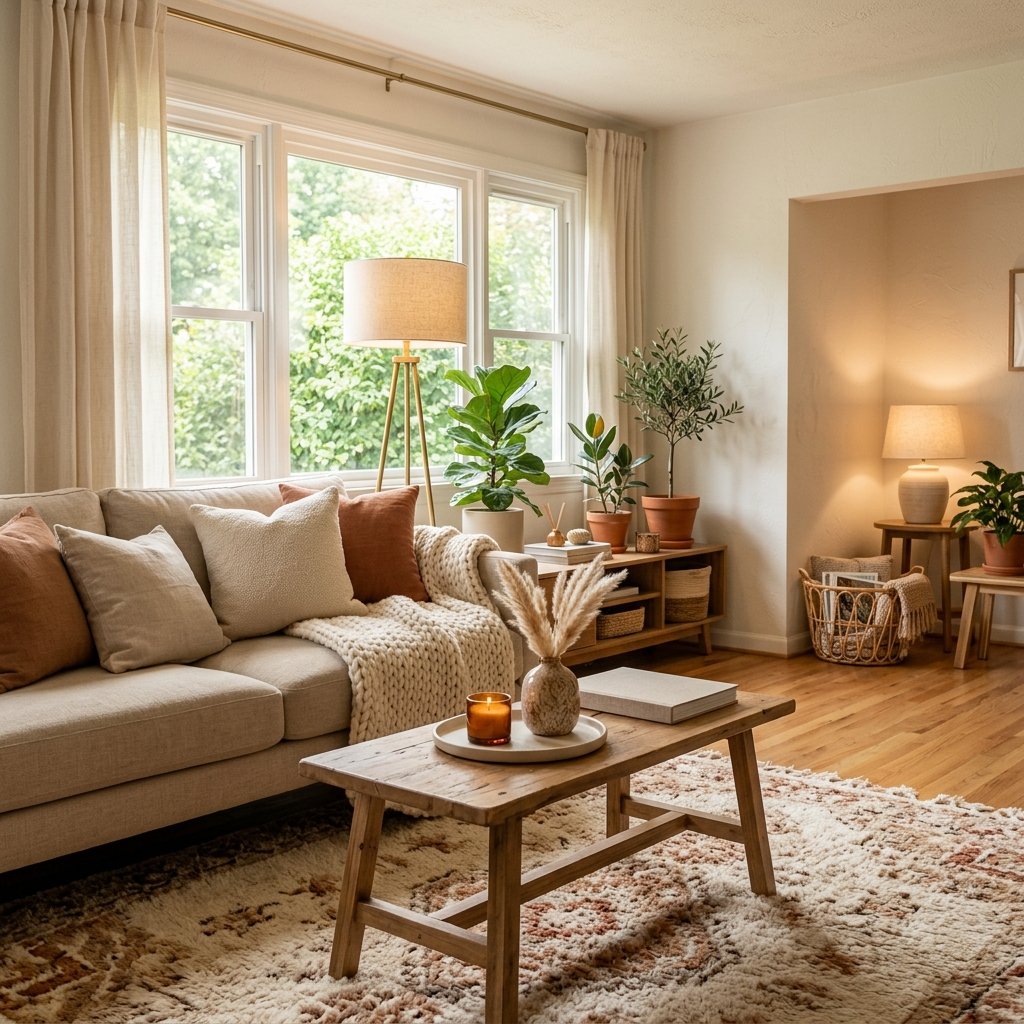
You know that feeling when you walk into a house and just want to kick off your shoes and stay forever? That’s what a cozy living room does. The secret to warm cozy living room ideas isn’t about spending a ton of cash, it’s about layering textures, warm colors, and good lighting so the whole room feels like a hug. I learned this the hard way when I redid my own living room and realized I had bought a beautiful couch but forgot lighting completely, and it felt like an office waiting room.
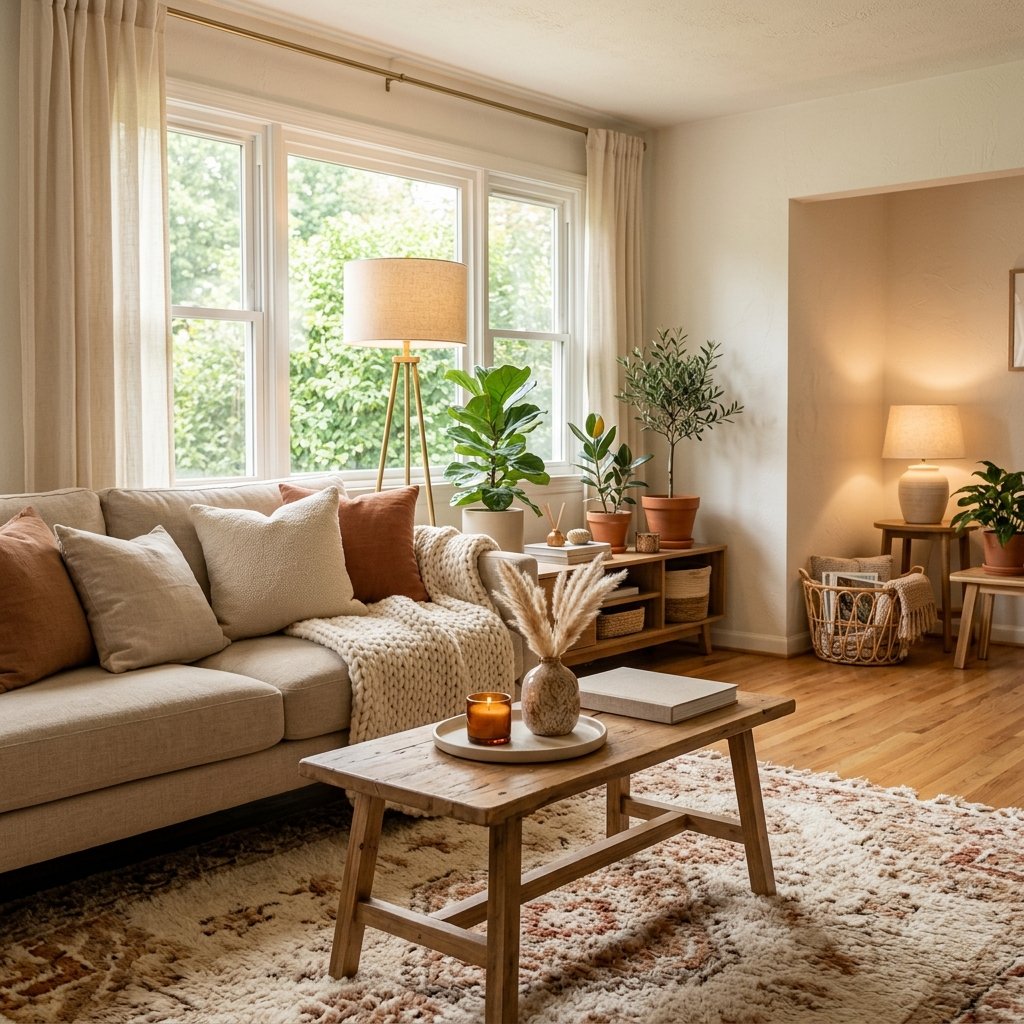
I’ve pulled together my favorite tricks for turning any plain space into an inviting living room people don’t want to leave. We’ll get into rugs, throw blankets, lighting tricks, and even paint colors that make a room feel like a cozy haven instead of a cold showroom.
By the end of this, you’ll have a real game plan, not just a Pinterest board full of ideas you’ll never use. I promise these are things I’ve actually tried myself, mistakes and all, so you can skip straight to what works.
Start With a Comfortable Layout
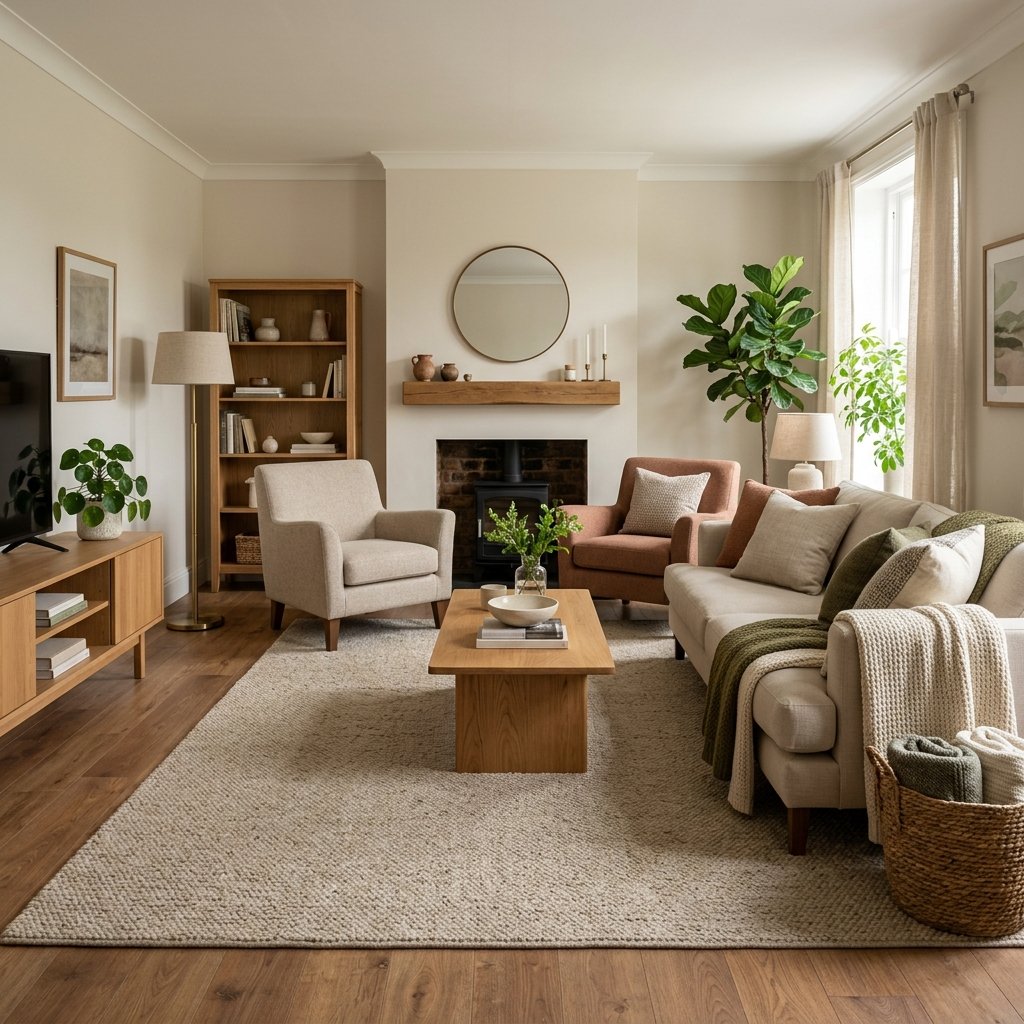
Alright, before you even think about throw pillows or fancy lamps, we gotta talk about layout. This is the part everybody skips, and its the reason so many living rooms feel awkward instead of awesome.
Choose a Sofa That Invites Lingering
Your sofa is basically the star of the show, so don’t skimp here. I always tell people, if you’re not tempted to plop down and never leave, you picked the wrong one.
A sectional sofa works great if your family actually hangs out together (mine does, mostly to steal the remote from each other). If you like a more relaxed, lived-in look, a slipcovered sofa is forgiving and easy to clean when someone spills grape juice, trust me on that one.
Want something that feels a little fancy? A velvet sofa adds texture and looks rich without trying too hard. And a good old leather sofa just gets better with age, kind of like my dad’s baseball glove.
Create Conversation-Friendly Seating
Here’s a mistake I see all the time: everybody’s furniture is pointed at the TV like its a shrine. I get it, Netflix is great, but you want people talking to each other too.
Try arranging your comfortable seating in a loose circle or facing each other. Pull in a leather armchair or two for extra spots, they add character and give people a cozy corner to sink into.
Keep the distance between seats close enough that people don’t have to shout, but not so close you’re bumping knees. I learned that one the hard way at my brother’s tiny apartment, we were basically sitting on each others laps.
Use Rugs to Define Gathering Zones
Rugs aren’t just for looks, they help split up your space so it doesn’t feel like one big blob of furniture. An area rug under your coffee table and sofa pulls everything together, like a stage marking where the “living room part” begins.
If you got a bigger room, try layered rugs, one bigger jute or neutral rug on the bottom and a smaller patterned one on top. It adds depth and makes the space feel intentional, not like you just threw furniture wherever it fit.
Pro tip, make sure your area rugs are big enough that at least the front legs of your furniture sit on them. Otherwise it just looks like a rug that lost an argument with your couch.
Make Small Rooms Feel Intimate, Not Crowded
Small living room? No problem, you just gotta be smart about it. Choose modern furniture with slim arms or raised legs so the room feels more open and airy.
A round coffee table can save you a ton of bumped shins compared to a big square one. And don’t be afraid to mix in some wood furniture pieces, they add warmth without eating up visual space like bulky upholstered stuff can.
I always say, layout is like a puzzle, not everything’s gotta be against the wall. Floating your furniture a little into the room, even a foot or two, can make a small space feel way more inviting instead of cramped.
Build a Warm, Cohesive Color Palette
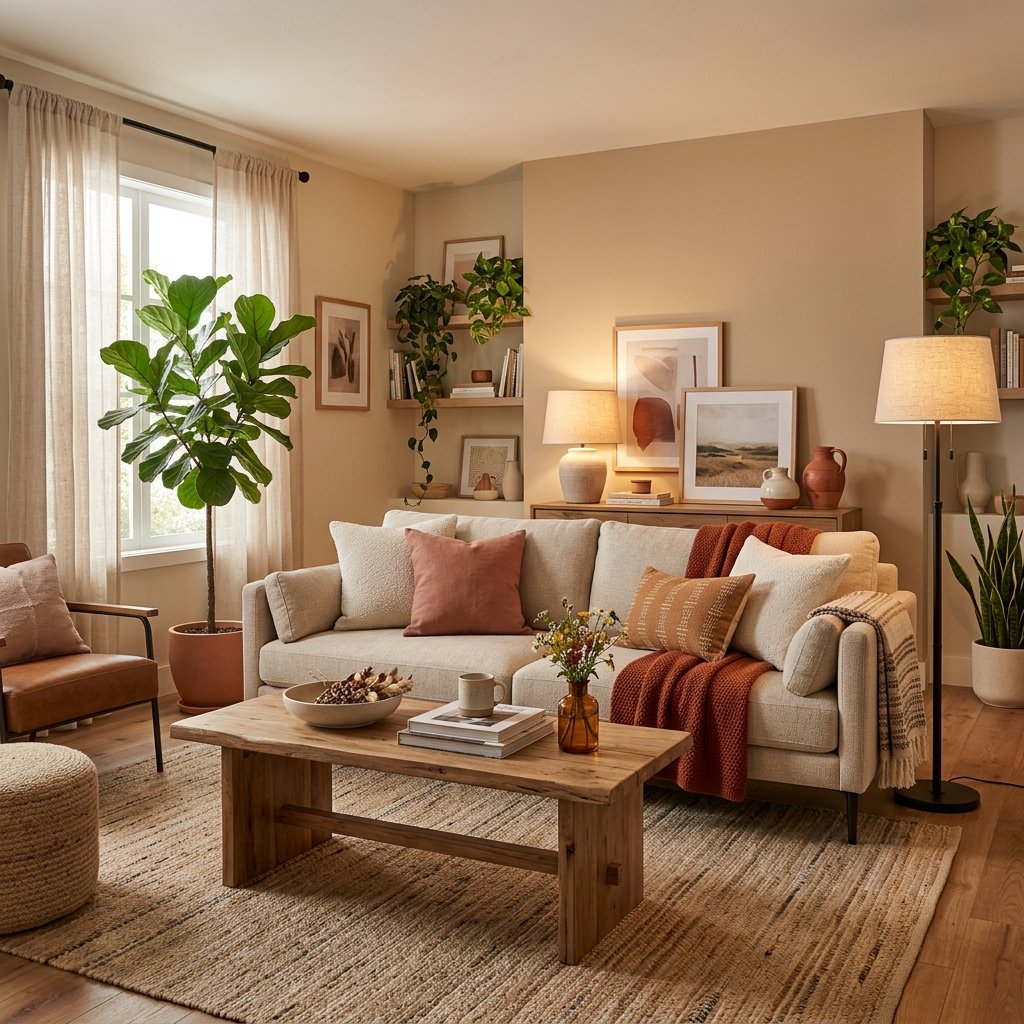
Getting a warm color palette right comes down to a few key layers: your base neutrals, your accent colors, how dark you’re willing to go, and how much natural light you’re working with. I learned most of this the hard way, so let me save you some trouble.
Layer Soft Neutrals for a Calm Foundation
I always start with soft neutrals. Beige, cream, ivory, taupe, sand, these are your best friends here. They don’t fight with anything.
Here’s a mistake I made once. I painted my whole living room the same beige, walls, trim, everything. It looked like a hospital waiting room, not cozy at all. Turns out flat color everywhere is boring, who knew?
What actually works is layering. Try a soft beige wall with a cream sofa, then throw in a taupe throw blanket and a sand colored rug. The trick is using different textures too, not just different shades of neutral. Linen, wool, cotton, mix it up.
Add Earthy Accents for Depth
Once your neutrals are set, it’s time for some earthy tones to wake the room up a little. Think warm brown furniture, a mustard yellow pillow or two, maybe a terracotta vase on the shelf.
I did this in my sisters place last year (she still owes me for that one, by the way). We added a rust colored throw and a couple mustard accent pillows to her beige couch and the whole room suddenly had personality. It wasn’t loud, just… warmer, richer.
Don’t go overboard though. Pick two or three earthy accent colors max, or the room starts looking like a paint sample aisle exploded.
Try Moody Color Without Losing Warmth
Okay so here’s where people get scared. Moody colors like teal or forest green feel risky, but they can absolutely work in a warm room if you do it right.
The key is pairing dark colors with warm undertones, not cool ones. A forest green accent wall paired with warm brown wood furniture and brass lamps still feels inviting, not cold or gloomy. Teal works similar if you keep everything else warm around it.
I tried a deep green in my own den a few years back and honestly I hesitated for weeks before committing. Turned out great, but I definitely second guessed myself buying that paint can.
Balance Color With Natural Light
Last thing, and this one trips up a lot of people. Your warm color palette is gonna look completely different depending on how much natural light your room gets.
Rooms with lots of sun can handle darker, moodier colors better because the light balances it out. Rooms with less light need to lean lighter, more neutral, or the space can feel dim and heavy.
Sheer curtains are a simple fix if your room is naturally dark. They let light filter in without blocking it completely, which helps warm colors feel bright instead of cave like. I switched to sheers in my kitchen nook and it made a bigger difference than repainting did, honestly.
Layer Textures That Feel Good
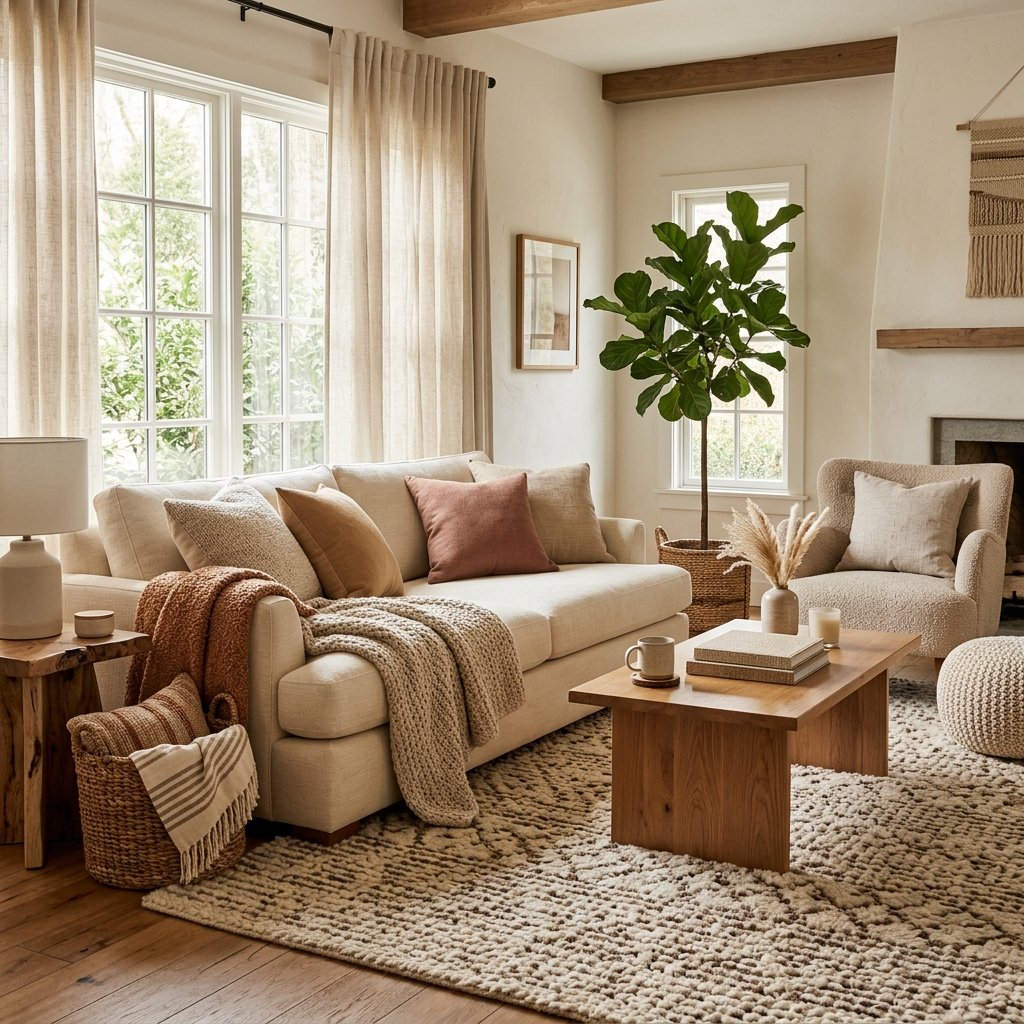
Alright, so here’s the thing about a living room that actually feels good to sit in. It ain’t about matching everything perfectly, its about mixing stuff that feels different when you touch it. Soft fabrics, chunky knits, a rug that squishes under your feet, that’s the good stuff.
I learned this the hard way when I redid my own living room a few years back and made everything one texture. Looked nice in pictures, felt like sitting in a dentist office. My buddy came over, sat down, and said “why does your couch feel like a hotel lobby?” That stung a little, but he wasn’t wrong.
Mix Soft Fabrics and Natural Fibers
You want a room that feels good, you gotta mix your materials. Don’t just throw velvet everywhere or cotton everywhere, that gets boring fast.
Here’s what I like to pair up:
- Linen curtains with a wool throw
- Velvet pillows next to a cotton slipcover
- Jute baskets mixed with softer woven textiles
The trick is contrast. Something smooth next to something a little rough. Something heavy next to something light and airy. When your hand moves across the room and feels five different things, that’s when a space starts feeling alive instead of flat.
I messed this up in my first apartment and used all polyester everything. Looked cheap, felt cheap. Lesson learned.
Add Throws and Pillows Generously
Look, you can never really have too many throw pillows, but your spouse might disagree with me on that one. I say go generous. A chunky knit throw draped over the arm of a couch just makes the whole room feel lived in.
Mix your throws too, don’t just buy three of the same blanket. Get a knitted throw with some texture, then maybe a faux fur one for when its cold, then something in cotton for warmer months.
For pillows, decorative pillows in different sizes work way better than a matching set. I usually go:
- Two big ones in back
- Two medium ones in front
- One weird shaped one just for fun
That “just for fun” pillow is important. Adds a little playful textures to the mix, keeps it from looking like a showroom.
Ground the Room With Tactile Rugs
A rug does more work than people realize. It’s not just something to cover the floor, its what pulls your feet into the whole vibe of the room.
I’m partial to wool rugs myself, they got weight to them and feel substantial under bare feet. Sheepskin works great too if you want a smaller accent piece, maybe draped over a chair or laid by the fireplace.
Jute rugs bring in more of that natural texture feeling, kind of earthy and grounded. You could even layer two rugs, a bigger jute one on bottom with a smaller wool one on top. That layering trick adds depth you can actually feel, not just see.
Don’t skip on rug pad either, nobody likes a rug that slides around when you walk on it.
Combine Plush Details With Clean Lines
Here’s where people mess up. They go so heavy on cozy textures that the room starts looking cluttered and messy. You gotta balance the plush stuff with something clean and simple.
So maybe your couch has a nice straight, simple frame, but you pile plush cushions on top of it. Or your coffee table is basic and minimal, but you got a chunky knit throw draped over the chair next to it.
That contrast, soft against structured, is what makes a room feel intentional instead of thrown together. I did this in my sister’s place last year, kept the furniture simple and let the textures do the talking. She said it was the first room in her house that actually felt “done.”
Create a Soft, Layered Glow
Good lighting is what makes a living room feel like somewhere you actually want to hang out. I always tell people, you need more than one light source doing all the work, and the mix of ambient, task, and mood lighting is what pulls it together.
Use Ambient Light as the Base Layer
I learned this one the hard way in my first apartment. I had one lamp in the corner and thought that was “ambient lighting.” It was not. It was just sad.
Ambient light is your foundation, its the glow that fills the whole room evenly so you’re not squinting or sitting in a weird shadow. I like warm-toned bulbs (nothing that makes you look like your in a hospital waiting room) around 2700K to 3000K. Floor lamps work great here because they throw light upward and outward without being harsh.
Dimmer switches are honestly one of my favorite cheap upgrades. Ten bucks and suddenly your whole room feels like a different place at night.
Add Task Lighting for Reading and Conversation
Once your base layer is set, you gotta think about what people actually do in the room. Read? Chat? Squint at their phone in the dark like a raccoon? I’ve done all three.
A good table lamp next to the couch or a reading chair makes a huge difference. I put one next to my recliner and now I actually finish books instead of falling asleep after two pages (okay, I still fall asleep sometimes, but thats on me not the lamp).
Sconces are great too if your tight on table space. They free up the side tables for drinks, remotes, whatever chaos your living room collects.
Make Fireplace and Candlelight Part of the Mood
Nothing beats a fireplace for setting the tone, its basically nature’s mood lighting. If you got a stone fireplace, even better, that texture soaks up the glow and makes the whole wall feel warm.
I remember one Thanksgiving my brother in law tried to light a fire and used way too much lighter fluid. We had flames shooting up like a campfire scene from a movie. Everyone laughed, the smoke alarm went off, classic family moment.
Anyway, if you don’t have a fireplace, candles do a lot of the same emotional work. Cluster a few candlelight sources on a coffee table or mantel and it instantly feels more relaxed in there.
Choose Fixtures That Complement the Room
Here’s where people mess up, they buy lighting that clashes with everything else in the room. If your going for a cozy vibe, skip the super modern chrome stuff and lean into warmer metals like brass or bronze.
Match your fixtures to the overall style, whether thats rustic, modern farmhouse, or whatever category HGTV invented this year. A stone fireplace pairs nice with wood and iron accents. A more streamlined room might do better with simple ceramic table lamps or soft linen shades.
The goal is consistency. When your lighting fixtures all speak the same design language, the whole room feels intentional instead of like you just grabbed lamps from five different stores (guilty).
Bring In Nature, Character, and Storage
I’ve walked into a lot of living rooms in my day, and the ones that feel the best always got three things right: natural materials, stuff that means something to the people who live there, and enough storage that you’re not tripping over clutter. Let me break down how I do it, mistakes and all.
Warm Up the Room With Wood and Stone
Nothing beats natural wood for making a room feel alive. I’m talking wood floors, a reclaimed wood coffee table, or even just some wood accents on a shelf. Warm wood tones bounce light around a room in a way that paint just can’t match.
Stone works the same magic. A stone fireplace surround or even a few smooth river rocks in a bowl add texture without trying too hard.
I once helped a family rip out their old carpet and found gorgeous original wood floors underneath. They had no idea it was there! We sanded it down, added a coat of finish, and the whole room changed. Shiplap walls are another easy win if you want that lived-in, textured look without spending a fortune.
Style Shelves With Meaningful Objects
Bookshelves and open shelving are only as good as what you put on them. I like mixing heights and textures, so maybe a tall vase next to a stack of books next to a small antique you picked up at a flea market.
Built-in shelving is my favorite because it uses space that would otherwise just sit empty. But you don’t need built-ins to make it work.
Here’s my rule of thumb for styling shelves:
- Group in threes – odd numbers just look better, trust me
- Mix textures – wood, ceramic, metal, glass
- Leave breathing room – don’t cram every inch full
- Add one surprising piece – an old camera, a globe, something with a story
Collected objects and antiques give a room instant character that you can’t buy off a shelf at a big box store.
Add Greenery Without Creating Clutter
Houseplants bring life into a room, literally. But I’ve seen people go overboard and turn their living room into a jungle that’s more work than it’s worth.
Start small. One big leafy plant in a corner, or a few smaller ones grouped on a windowsill, does more than a dozen scattered around the room. Greenery near a reading nook or window seat makes that spot feel like a little retreat.
If you don’t have a green thumb (I sure don’t, I’ve killed more plants than I’d like to admit), go for hardy plants like snake plants or pothos. They forgive you when you forget to water them for two weeks.
Use Art and Memories to Make It Personal
A gallery wall full of family photos and wall art turns a house into a home. This is the part people skip because it feels intimidating, but it doesn’t have to be perfect.
Grab frames in different sizes, mix in a print or two you love, and lay it out on the floor before you start hammering nails into the wall. Trust me, I learned that one the hard way after patching up way too many holes.
Personal touches don’t have to be expensive art either. A kid’s drawing, a ticket stub from a concert, or a photo from a trip all count. Even in a modern living room with clean lines and a minimalist vibe, one wall of memories keeps things from feeling too sterile.
And don’t forget stylish storage like woven baskets to stash blankets or toys. They keep the room looking put together, even on the days it really isn’t.