
14 min read
Vintage Lace Is Back: 8 Classic Touches for Farmhouses


Edited by: Louise (Editor In Chief)
Fact/quality checked before release.
Fact/quality checked before release.
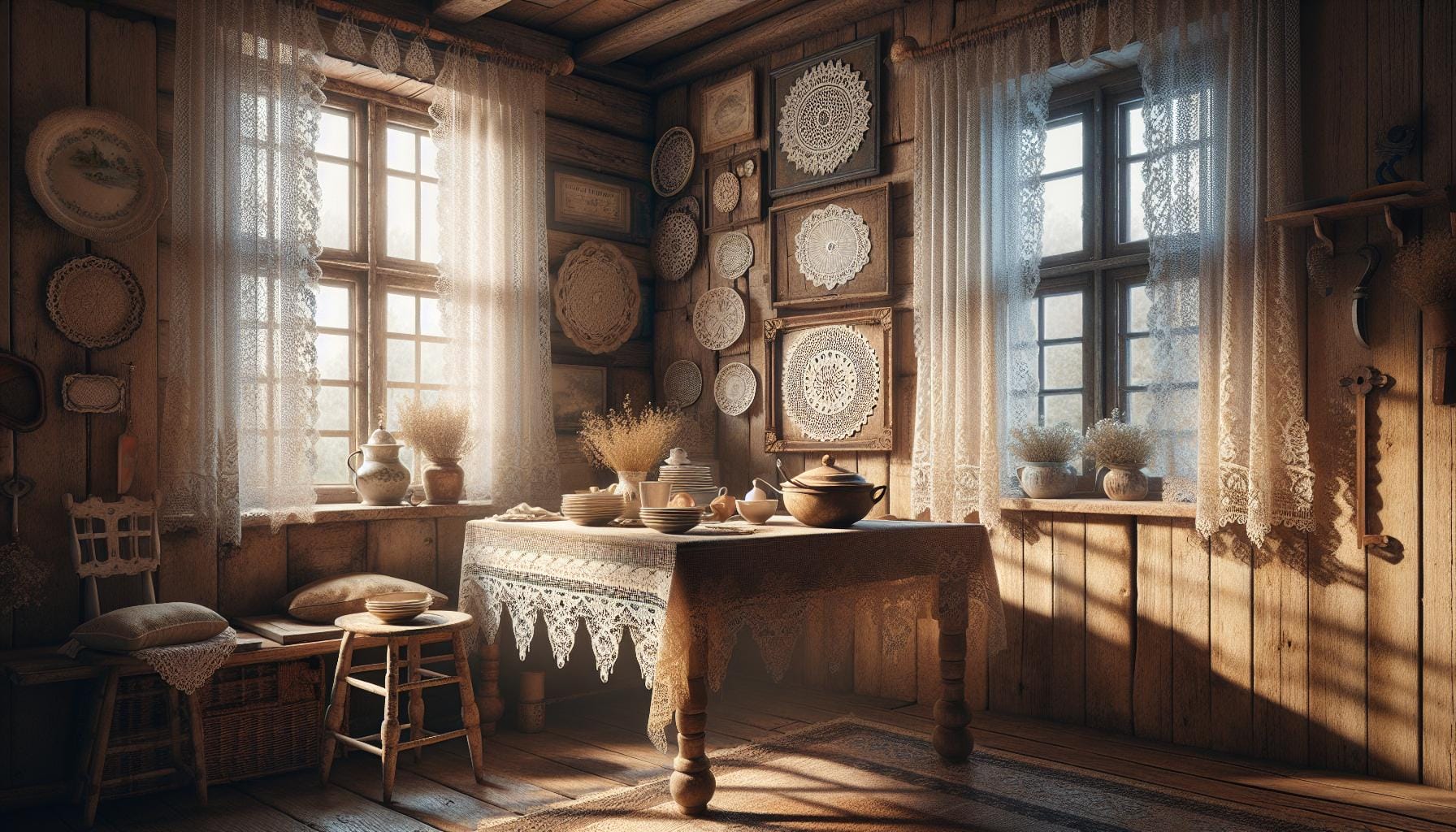
Remember when your grandma’s lace doilies seemed like relics of the past? Well folks, what’s old is new again! Vintage lace is making a major comeback in farmhouse décor, and I’m absolutely pumped to show you how these delicate details can transform your space from basic to breathtaking.
You’ll discover eight incredible ways to incorporate classic lace elements throughout your farmhouse that’ll add instant charm without breaking the bank. From window treatments that filter light beautifully to unexpected accent pieces that’ll have your guests asking “where’d you find that?” – we’re diving into the perfect balance of rustic and refined that makes farmhouse style so irresistibly cozy.
The Resurgence of Vintage Lace in Modern Farmhouse Design
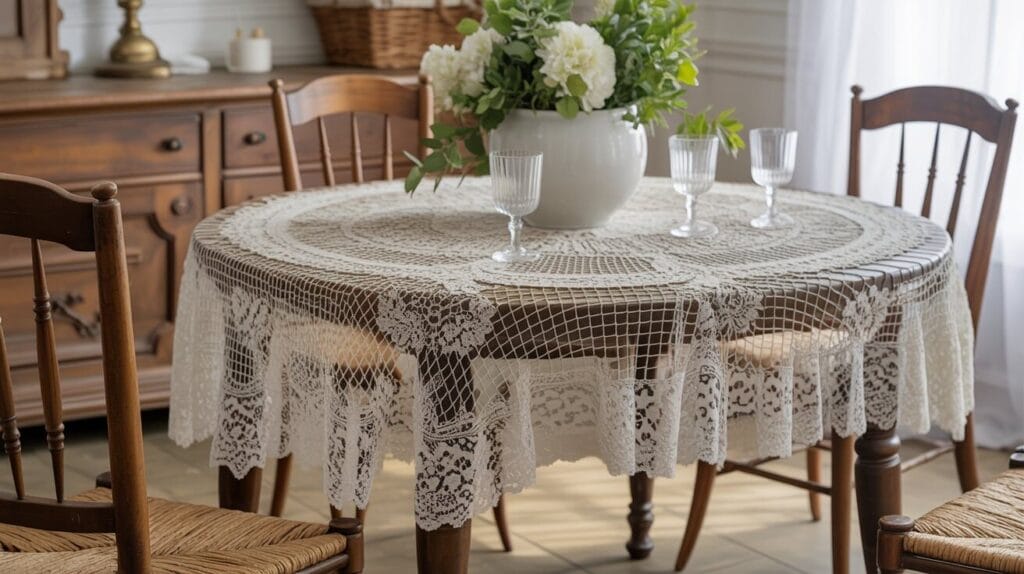
Vintage lace isn’t just your grandmother’s tablecloth anymore! It’s making a dramatic comeback in today’s farmhouse interiors, bringing a perfect marriage of nostalgia and contemporary style to spaces that crave character. This delicate textile has evolved from being purely traditional to becoming a versatile design element that adds depth and visual interest to modern farmhouse aesthetics.
What’s exciting is how designers are reimagining lace in fresh, unexpected ways. You’ll find it’s not just about doilies and curtains—though those are fabulous too! Today’s lace applications range from subtle texture overlays on painted furniture to statement wall coverings that catch both light and attention. The intricate patterns create a beautiful interplay of shadow and light that changes throughout the day, giving rooms a dynamic quality that flat surfaces simply can’t match.
The beauty of incorporating vintage lace lies in its ability to soften the sometimes harsh elements of farmhouse design. Those industrial metals, rough-hewn woods, and utilitarian fixtures get a welcome counterbalance when paired with lace’s feminine qualities. It’s this tension between rustic and refined that makes modern farmhouse spaces so visually compelling and emotionally comfortable.
The Timeless Appeal of Lace in Farmhouse Decor
Lace connects us to our heritage in ways few other design elements can. This delicate textile has adorned homesteads for centuries, carrying with it stories of craftsmanship and family tradition. When you incorporate lace into your farmhouse, you’re not just decorating—you’re continuing a design legacy that dates back generations.
The beauty of lace lies in its contradictions. It’s somehow both subtle and statement-making, delicate yet surprisingly durable. These qualities make it the perfect complement to the honest, straightforward elements of farmhouse style. The intricate patterns create visual depth against simple backdrops, transforming ordinary spaces into something extraordinary without overwhelming them.
What’s really fascinating about lace is how it plays with light. Those tiny perforations and detailed patterns create the most magical shadows and highlights as daylight filters through. This natural light play adds dimension to walls, windows, and table settings that you simply can’t achieve with solid fabrics. It’s like having constantly changing artwork throughout your home as the sun moves across the sky.
Designers have long valued lace for its ability to soften hard edges and add warmth to utilitarian spaces—exactly what many farmhouse interiors need. The organic, often floral or geometric patterns of vintage lace bring a touch of nature indoors, reinforcing the connection to the land that’s so central to farmhouse philosophy. It’s this perfect balance of practicality and beauty that makes lace not just a passing trend, but a timeless element of farmhouse design.
8 Classic Lace Touches for Your Farmhouse
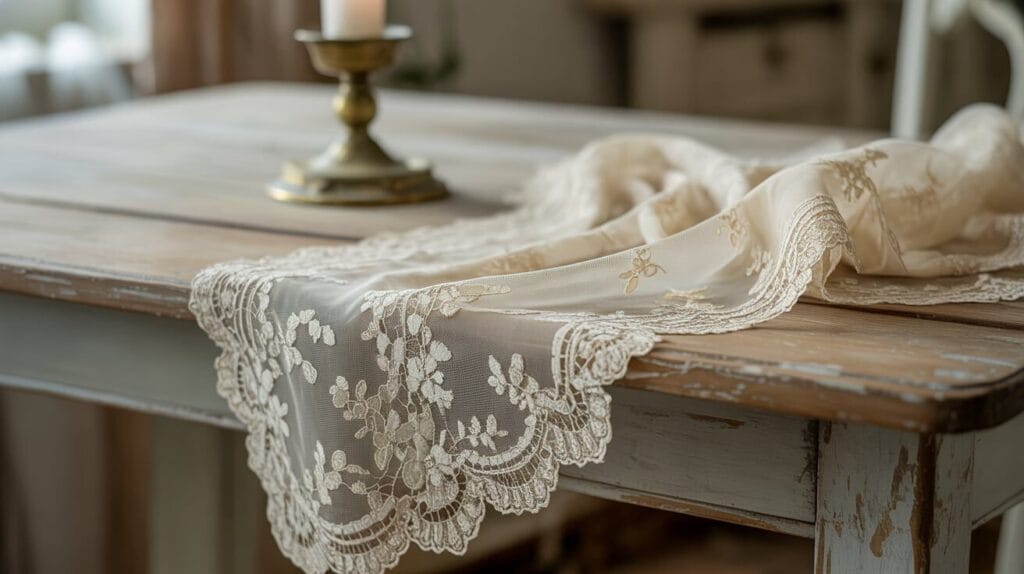
Vintage lace adds that perfect balance of delicacy and character to farmhouse spaces, transforming ordinary rooms into something truly special. Here’s how to incorporate these timeless elements throughout your home without breaking the bank or compromising on style.
Lace Curtains and Window Treatments
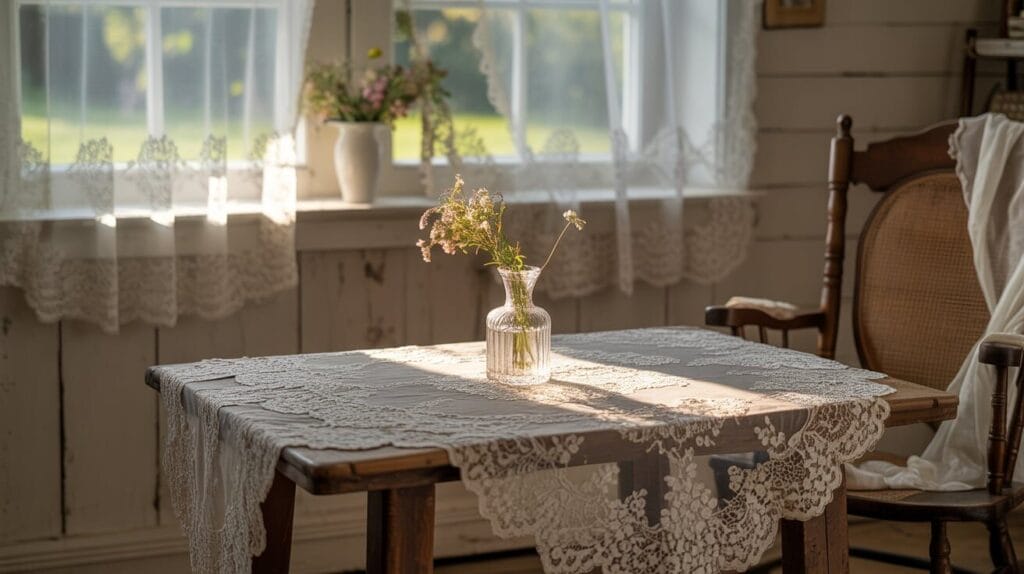
Lace curtains instantly create that dreamy, filtered light effect that’s become a signature of refined farmhouse spaces. Hang sheer lace panels to allow natural light to pour through while maintaining privacy. For a modern twist, layer lace curtains with heavier drop cloths or linen drapes in neutral tones. The contrast between the delicate pattern and sturdier fabrics creates depth that draws the eye. Café curtains made from vintage lace work beautifully in kitchen windows, adding charm without blocking precious light.
Vintage Lace Tablecloths and Table Runners
A lace tablecloth transforms an ordinary dining experience into something memorable and special. Look for hand-crocheted pieces at estate sales where you’ll find unique patterns with history built right in. For everyday use, layer a lace runner over a solid tablecloth or directly on wooden tables to create visual interest while protecting your furniture. Vintage handkerchiefs can be stitched together to create smaller table toppers perfect for side tables or nightstands. The intricate patterns cast beautiful shadows across your surfaces, adding another dimension to your décor.
Lace-Trimmed Pillows and Throws
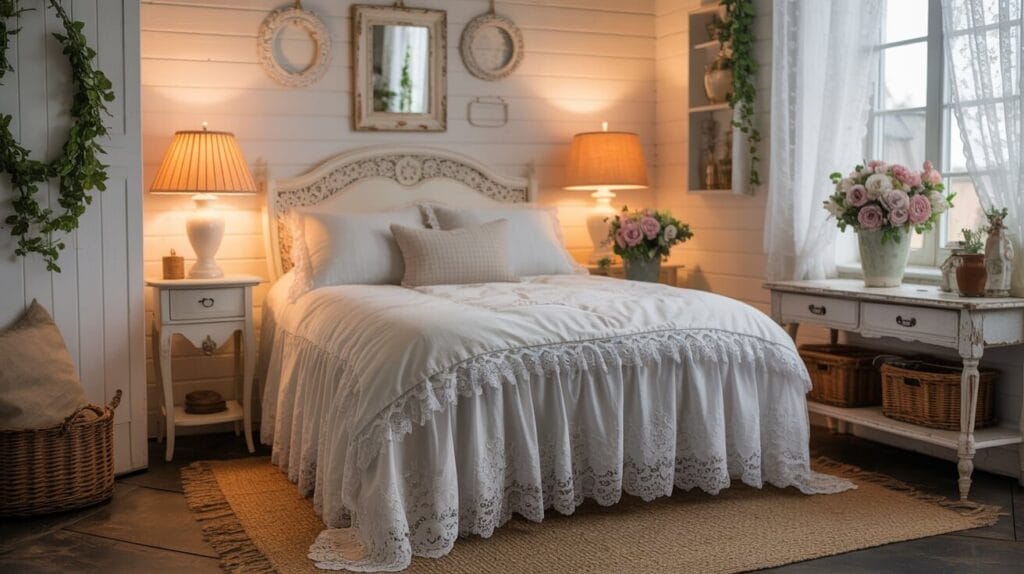
Lace-trimmed textiles bring softness to the more rugged elements of farmhouse style. Add vintage lace edging to plain linen pillowcases for an instant upgrade that costs almost nothing. Mix textures by pairing lace-detailed cushions with chunky knit throws and canvas fabrics. The key is balance—use lace as an accent rather than overwhelming your seating areas. Even small touches like tiny lace corners on throw pillows or a delicate lace overlay on a solid-colored throw create that perfect blend of femininity and farmhouse practicality.
Framed Lace Doilies as Wall Art
Transform forgotten doilies into striking wall art that celebrates craftsmanship. Mount vintage lace pieces in floating frames with contrasting backgrounds to highlight their intricate patterns. Create a gallery wall mixing different sizes and designs, or go bold with one oversized piece as a focal point. Black or navy backgrounds make white lace pop dramatically, while natural linen backgrounds offer a softer, more traditional look. These textural art pieces add dimension without competing with other elements in your space.
Lace-Inspired Ceramic and Porcelain Pieces
Ceramics impressed with lace patterns bring subtle texture to shelves and tabletops. Look for pottery pieces where actual lace was pressed into clay before firing, creating authentic pattern transfers. White-on-white pieces offer understated elegance, while colored glazes highlighting the lace impressions make more dramatic statements. These versatile accessories work everywhere from bathroom counters holding delicate soaps to kitchen shelves displaying collected treasures. Their tactile quality invites touch while maintaining that clean farmhouse aesthetic.
Lace-Patterned Kitchenware and Serving Items
Lace-patterned serving pieces turn everyday meals into special occasions. Incorporate embossed lace designs on ceramic plates that bring texture to your table without overwhelming your food presentation. Glass cake stands and serving platters with subtle lace patterns etched into their surfaces catch light beautifully. Even practical items like trivets and coasters can feature lace-inspired designs, protecting surfaces while enhancing your farmhouse aesthetic. The beauty of these pieces lies in their functionality—they’re not just for display but for everyday enjoyment.
Repurposed Lace for Lamp Shades and Lighting
Lace-covered lighting creates magical shadow patterns across your walls and ceilings. Transform plain lampshades by adhering vintage lace with fabric stiffener for a customized look that diffuses light beautifully. Mason jars wrapped with lace strips and secured with twine make charming candle holders or pendant lights with minimal effort. The interplay between light and lace creates ever-changing patterns throughout the day, adding movement and interest to static spaces. Just ensure lace is properly secured and not touching hot bulbs directly.
Lace Details in Bedroom Textiles
Your bedroom becomes a sanctuary with the addition of lace-detailed textiles. Layer heirloom lace-edged pillowcases with simpler bedding for a collected-over-time feel. Vintage lace canopies suspended from ceiling-mounted coronas create romantic focal points without overwhelming the space. Even small touches like lace-trimmed bed skirts peek out from under comforters, adding that perfect finishing detail. Drape a lace shawl across the foot of your bed or over a reading chair for accessible elegance that’s easily changed with the seasons.
How to Source Authentic Vintage Lace
Finding genuine vintage lace is like going on a treasure hunt—exciting, rewarding, and sometimes unpredictable! Here’s how to track down these delicate treasures for your farmhouse:
Estate Sales and Auctions
Estate sales are goldmines for authentic vintage lace pieces. These sales often feature complete collections from homes where items have been cherished for generations. Arrive early at estate sales—the first 30 minutes can make the difference between finding pristine lace treasures or missing out entirely. Bring a small magnifying glass to examine the intricate patterns and check for damage that might not be visible to the naked eye.
Antique Stores and Flea Markets
Antique stores offer curated selections of vintage textiles, often with knowledgeable staff who can provide information about the age and origin of lace pieces. Flea markets, while more chaotic, can yield unexpected finds at better prices. When shopping these venues, always inspect lace in natural light to spot discoloration, tears, or repairs that might be hidden under artificial lighting.
Online Marketplaces
Etsy, eBay, and specialized vintage textile websites have transformed how we source authentic lace. The advantage? You’re not limited by geography. Search for specific terms like “handmade Brussels lace” or “cotton crochet doilies 1940s” to narrow your results to exactly what you’re looking for. Ask sellers for close-up photos of the lace structure, any maker’s marks, and information about the piece’s provenance.
Thrift Stores and Charity Shops
Don’t overlook thrift stores! These budget-friendly hunting grounds often receive donations from estate clearances. Visit shops in older, established neighborhoods where vintage textiles are more likely to surface. Develop relationships with store managers who might set aside lace items when they come in.
Family Heirlooms and Connections
Sometimes the most meaningful vintage lace comes from your own extended family. Put the word out among relatives that you’re interested in any old lace items gathering dust in attics or linen closets. These pieces carry personal history and stories that commercial finds can’t match.
Identifying Authentic Vintage Lace
Learning to spot genuine vintage lace takes practice, but certain telltale signs separate authentic pieces from modern reproductions. Vintage lace typically has a slightly uneven quality to the stitching—evidence of handwork rather than machine precision. The color is usually a natural cream or ecru rather than bright white, and the thread feels different—often finer and more delicate than modern materials.
Caring for Your Vintage Finds
Once you’ve sourced those perfect lace pieces, proper cleaning is essential. Never use bleach on vintage lace—it weakens fibers and causes yellowing over time. Instead, soak delicate pieces in a solution of mild soap and distilled water for about 30 minutes. Rinse gently without wringing, then lay flat on a white towel to dry away from direct sunlight, which can damage and discolor the fibers.
Incorporating Lace Without Going Overboard
While vintage lace adds undeniable charm to farmhouse interiors, balancing its delicate presence prevents your space from feeling like grandma’s parlor. The key is strategic placement and thoughtful restraint that honors lace’s beauty without overwhelming your aesthetic.
Choose One Focal Point
Let a single lace element take center stage in each room. A dramatic lace curtain panel in the living room or an heirloom tablecloth in the dining area creates visual impact without competing elements. When one piece makes a statement, other lace accents can play supporting roles.
Mix Textures for Modern Balance
Pairing lace with contrasting textures keeps spaces feeling fresh rather than fussy. Combine lace pillows with chunky knit throws or place delicate doilies atop rough reclaimed wood. This textural interplay creates depth and prevents the feminine qualities of lace from dominating.
Scale Matters
The size of your lace elements significantly affects how they’re perceived. Larger-scale lace patterns read as more contemporary while tiny, intricate patterns veer traditional. For modern farmhouse spaces, opt for bolder patterns that don’t feel too precious or dainty.
Consider Color Carefully
White lace has traditional associations, but cream, ecru, or even dyed lace pieces offer versatility. Vintage-colored lace in soft grey or blush integrates more seamlessly with neutral farmhouse palettes, providing subtle texture without the stark contrast of bright white.
Layer Thoughtfully
Instead of covering surfaces entirely with lace, try layering small lace elements over solid backgrounds. A lace runner atop a wood table or a lace-trimmed cushion against solid upholstery creates interest without overwhelming. Think of lace as a seasoning rather than the main ingredient.
DIY Projects Using Vintage Lace
Transform Old Lace into Wall Art
Vintage lace becomes stunning wall art with minimal effort. Stretch pieces over canvas frames and secure with staples on the back for instant texture and visual interest. For a more dramatic look, spray paint the mounted lace in colors that complement your farmhouse palette—metallic gold against a whitewashed wall creates an elegant statement piece. You can also layer different lace patterns in varying sizes for a gallery wall that tells a story of craftsmanship and history.
Create Custom Lace-Dipped Ceramics
Plain ceramics transform into custom treasures with lace imprints. Press lace firmly against air-dry clay before shaping your vessels to create detailed patterns that remain after the lace is removed. For existing pieces, wrap lace around ceramic vases or planters, then apply a light coat of spray paint over the top. When you remove the lace, you’re left with a beautiful negative image that adds character to even the most basic containers.
Craft Lace-Embellished Candle Holders
Mason jars and vintage lace combine for enchanting candle holders. Wrap lace around clean glass jars and secure with craft glue or mod podge for a soft, diffused glow when lit. The flame illuminates the intricate patterns, casting romantic shadows across your walls and tables. These make perfect centerpieces for dinner parties or cozy additions to mantels and side tables, bringing warmth and texture to your farmhouse spaces.
Fashion No-Sew Lace Drawer Liners
Line dresser drawers with vintage lace for a surprise element of elegance. Cut lace to fit drawer bottoms and secure with double-sided tape for an instant upgrade that transforms utilitarian storage into something special. This works particularly well in guest bedrooms or bathrooms, where visitors can discover these thoughtful details. The delicate patterns create a perfect backdrop for folded linens or personal treasures.
Design Lace-Transferred Wooden Signs
Transfer lace patterns onto wooden signs for unique wall decor. Apply white chalk paint over a stained wood board, then press lace onto the still-wet paint and roll over it lightly to create a negative impression. Remove the lace carefully and let dry completely. The result is a stunning contrast between the dark wood and delicate white pattern—perfect for entryways or above a farmhouse sideboard.
Make Lace-Dipped Stationery
Create custom stationery by dipping lace edges in craft paint. Press lace strips into a thin layer of paint, then stamp onto cards or paper for elegant borders and accents. This technique works beautifully for dinner party place cards, thank you notes, or framed quotes that complement your farmhouse decor. The handcrafted touch echoes the artisanal quality that defines farmhouse style.
Craft Seasonal Lace Ornaments
Stiffened lace transforms into delicate ornaments for year-round display. Soak lace doilies in a mixture of white glue and water, then shape over balloons or bowls until dry for dimensional decorations. Use these to adorn wreaths, hang in windows where light can filter through, or gather several in a vintage bowl as a textural centerpiece. They’re especially charming during winter months, resembling delicate snowflakes.
Create Lace-Pattern Concrete Planters
Imprint lace patterns into concrete for industrial-meets-delicate planters. Line small containers with lace before pouring in quick-setting concrete mix. Once dry, peel away the outer container and lace to reveal detailed impressions in the concrete surface. These rugged yet refined planters perfectly embody the farmhouse aesthetic’s balance of raw and refined elements, ideal for displaying small succulents or herbs on kitchen windowsills.
Conclusion
Vintage lace offers that perfect finishing touch your farmhouse has been waiting for. It’s not just about decoration but creating spaces that tell your unique story while honoring traditional craftsmanship.
As you explore these eight classic applications from dreamy curtains to DIY projects you’ll discover endless possibilities for transformation. The beauty of lace lies in its versatility – making a bold statement or whispering subtle elegance according to your vision.
Whether you’re hunting for treasures at estate sales or reimagining family heirlooms each piece of lace brings character and warmth to your home. By balancing this delicate element with rustic farmhouse features you’ll create a space that feels both timeless and refreshingly modern.