
8 min read
This Colorado Barndominium Turns Rocky Mountain Living Into a Dream Home You’ll Never Want to Leave


Edited by: Louise (Editor In Chief)
Fact/quality checked before release.
Fact/quality checked before release.
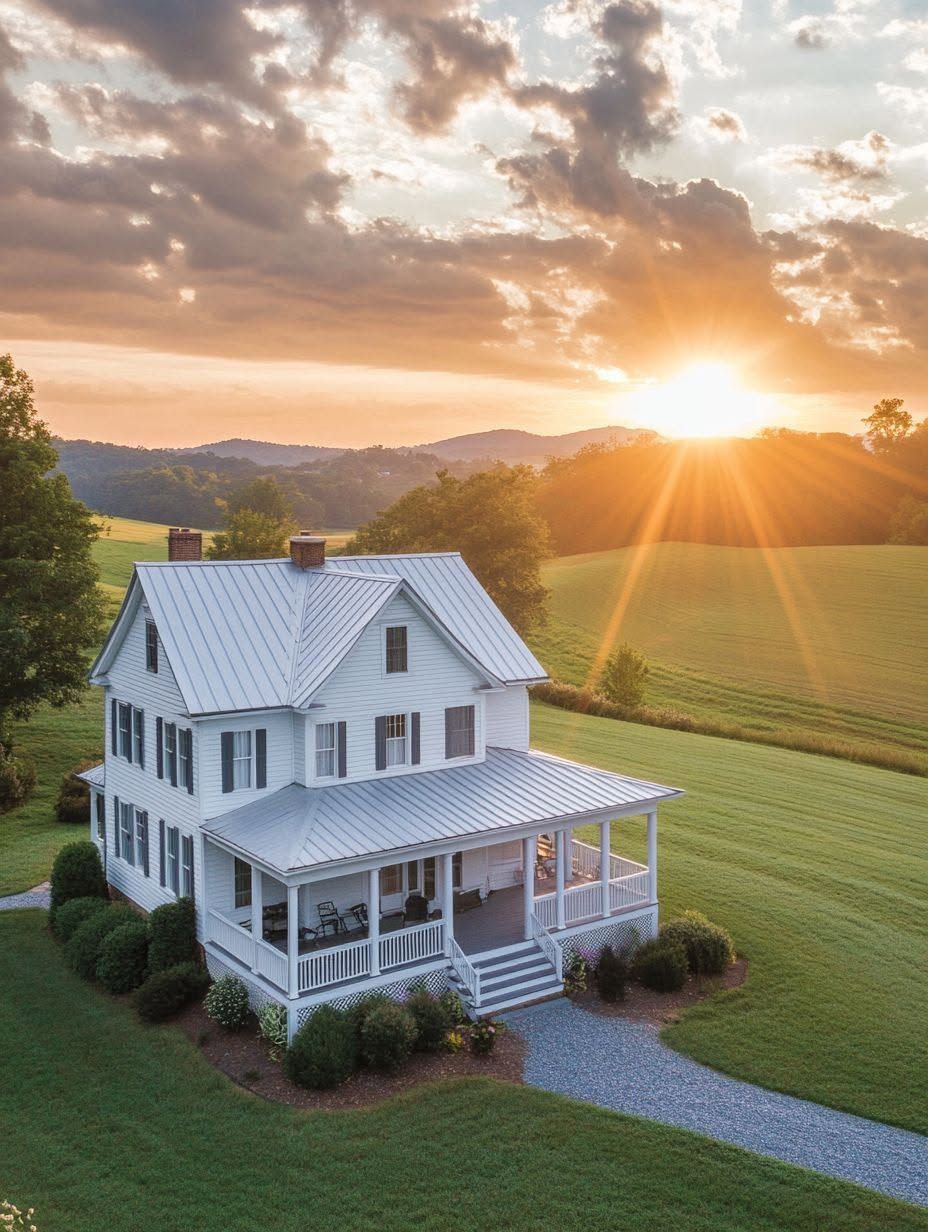
A Colorado barndominium sitting in the shadow of the Rockies gives you something most homes can’t: the kind of view that makes you stop and stare every single morning. Metal-frame construction meets mountain scenery here, and the pairing works better than you’d expect.
This particular build shows you how barn-style architecture can handle Colorado’s brutal weather swings while still delivering an open, comfortable living space that feels nothing like a barn once you’re inside. You get the durability of steel framing, the warmth of thoughtful interior finishes, and a layout that actually makes sense for how you live.
Stick around, because you’re about to see how the setting, the design choices, and the practical details all come together to create a home that fits the Rocky Mountain lifestyle without any of the usual compromises.
A Rocky Mountain Setting With Room to Breathe
The location you pick shapes everything about your barndominium, from the views out your window to the drive to the nearest grocery store. Colorado’s landscape gives you options, and each one comes with its own tradeoffs.
Scenic Views and Outdoor Access
You wake up, look out the window, and there’s a mountain range staring back at you. That’s the appeal of building in Colorado.
Depending on where you land, you could have direct sightlines to the Front Range foothills or a backyard that opens onto national forest land. Hiking trails, fishing spots, and hunting grounds are often just a short drive (or walk) away.
Outdoor access isn’t only about scenery, though. It affects daily life too:
- Wildlife viewing from your porch (elk, deer, and the occasional bear)
- Seasonal recreation like skiing in winter and mountain biking in summer
- Stargazing thanks to lower light pollution in rural areas
You get a home that connects you to the land instead of just looking at it from a distance.
Choosing the Right Colorado Location
Not every piece of Colorado land works the same way for a barndominium. The Eastern Plains near Greeley offer flatter terrain, easier construction, and lower land costs. Head toward the foothills or high country near Vail, and you’re dealing with steeper grades, heavier snow loads, and stricter building codes.
Here’s a quick comparison to help you think it through:
| Region | Terrain | Build Considerations |
|---|---|---|
| Eastern Plains | Flat, open | Simpler foundation, easier access |
| Front Range Foothills | Rolling hills | Moderate grading, wind exposure |
| High Mountain (near Vail) | Steep, alpine | Heavy snow load, complex permitting |
Your choice should match your priorities, whether that’s a shorter commute, more privacy, or a specific view you can’t live without.
Barndominium Design That Balances Rustic and Refined
Your barndominium doesn’t have to pick a side between raw and refined. You can have exposed steel beams next to polished quartz countertops, and honestly, that contrast is what makes these homes so interesting.
Open-Concept Living Spaces
You’ll notice the layout does a lot of heavy lifting here. Vaulted ceilings and wide-open floor plans let your kitchen, dining, and living areas flow together without walls chopping up the view.
That’s a big deal when you’ve got mountains outside your window. Sightline planning means your main living spaces should face whatever view stops people in their tracks, whether that’s a ridgeline or a stand of pines.
A few things that help this style work:
- Steel or timber trusses left exposed instead of hidden behind drywall
- Oversized windows that pull the outdoors into your daily routine
- Minimal interior walls so light and air move freely
You get a home that feels bigger than its square footage.
Mountain-Inspired Materials and Finishes
Materials are where you really set the tone. Reclaimed wood, stone accents, and blackened steel give you that grounded, cabin-like warmth without feeling dated.
Pair those with modern touches, like matte black fixtures or smooth concrete floors, and you’ve got a home that reads as current, not just cozy.
| Rustic Element | Refined Pairing |
|---|---|
| Reclaimed barn wood | Quartz or marble countertops |
| Corrugated steel siding | Floor-to-ceiling glass |
| Exposed wood beams | Recessed LED lighting |
Your color palette matters too. Sticking to earth tones, charcoal, warm browns, muted greens, helps the interior feel like it belongs to the landscape outside rather than fighting against it.
Comfortable Living Through Every Colorado Season
Your Rocky Mountain barndominium needs to handle everything from July heat to January blizzards without breaking a sweat. That comes down to two things: how well the walls keep temperature where you want it, and how the mechanical systems respond when the weather turns.
Insulation and Energy Efficiency
Colorado’s altitude swings hard between day and night, so your barndo’s insulation has to work overtime. Most builders recommend spray foam insulation in the steel walls and roof, since it seals gaps that fiberglass batts tend to miss.
You’ll also want to look at:
- Vapor barriers to control condensation from temperature swings
- Insulated concrete slabs to cut heat loss through the floor
- High-performance windows rated for both UV exposure and cold retention
Here’s the thing—good insulation isn’t just about comfort. It directly affects your energy bills, especially at elevations where furnaces and AC units run harder just to keep up.
Heating, Cooling, and Snow-Ready Features
Your heating system needs to work smarter at altitude, where thinner air makes standard furnaces less efficient. Many Colorado barndo owners opt for radiant floor heating, which warms the space evenly without drying out the air like forced-air systems can.
For cooling, you probably won’t need heavy-duty AC—Colorado’s dry summers and cool nights mean ceiling fans and strategic window placement often do the trick.
Snow is a different story. Your roof design matters here:
| Feature | Why It Matters |
|---|---|
| Steep roof pitch | Sheds snow load naturally |
| Reinforced steel trusses | Handles heavy accumulation |
| Heated gutters | Prevents ice dam buildup |
Get these details right, and you’ll stay comfortable no matter what the season throws at you.
Flexible Spaces for Work, Hobbies, and Guests
Your barndominium can flex to match whatever your week looks like, whether that’s fixing up a truck, hosting your in-laws, or setting up a home office. The layout works with you instead of boxing you into one fixed purpose.
Attached Shops and Storage
You get real workspace without leaving your house to reach it. An attached shop means your tools, your RV, or your side project stay steps from the kitchen door.
Here’s how the space typically breaks down:
| Area | Common Use |
|---|---|
| Attached shop bay | Vehicle storage, workshop, workbench setup |
| Mudroom connector | Boot and gear drop zone between shop and living space |
| Loft above shop | Extra storage or overflow hobby space |
You can size the shop to fit an RV, a boat, or just your everyday tools. High-efficiency insulation in these bays also means you can work out there comfortably even when it’s freezing outside.
Guest Suites and Multiuse Rooms
You don’t have to choose between a home office and a place for guests to sleep. Many barndominium layouts include a flex room that switches roles depending on the week.
A second-floor or wing setup often includes:
- A private bedroom and bathroom for overnight guests
- A living area with its own entrance for added privacy
- A game or media room that doubles as a den
- A home office nook that closes off when company arrives
You get to decide how each room earns its keep, and that decision can change as your needs do.
Outdoor Living Made for Mountain Days
Your barndominium doesn’t stop at the walls—it stretches right out into the landscape. Roll-up doors, wraparound decks, and hardy plantings turn your outdoor space into a place you’ll actually use, not just admire.
Covered Patios and Viewing Decks
Picture this: you’re sipping coffee at sunrise, and the whole valley is glowing right in front of you. That’s what a covered patio does for your morning routine here.
These spaces work as extra square footage for your home, minus the extra heating bill. You get shelter from sudden mountain rain or that intense midday sun, but you’re still soaking in the view.
Roll-up doors are a great addition if you want that true indoor-outdoor flow. Slide them open on a warm afternoon, and your living room basically becomes part of the patio.
Add a viewing deck up higher, and you’ve got a front-row seat to Colorado’s famous alpenglow—that pink-orange light that hits the peaks at dusk. Trust me, you’ll want a chair up there every evening.
Landscaping for Colorado’s Climate
Not every plant can handle Colorado’s swings between blazing sun and sudden frost. That’s why native, drought-tolerant landscaping works so well here.
Think ornamental grasses, wildflowers like blanket flower or columbine, and shrubs such as rabbitbrush or serviceberry. They’re built for this elevation and won’t need constant babysitting.
Here’s a quick breakdown of what tends to work best by region:
| Region | Climate Challenge | Smart Plant Choices |
|---|---|---|
| Eastern Plains | Wind, dry heat | Buffalo grass, yucca |
| Front Range | Temperature swings | Columbine, penstemon |
| High Mountains | Short growing season, frost | Aspen, mountain mahogany |
Mulching helps retain moisture, and grouping plants by water needs (called hydrozoning) keeps your irrigation efficient. It’s a smart way to keep things green without fighting the climate every season.