
5 min read
This Beautiful Georgia Farmhouse: Rustic and Modern Details


Edited by: Louise (Editor In Chief)
Fact/quality checked before release.
Fact/quality checked before release.
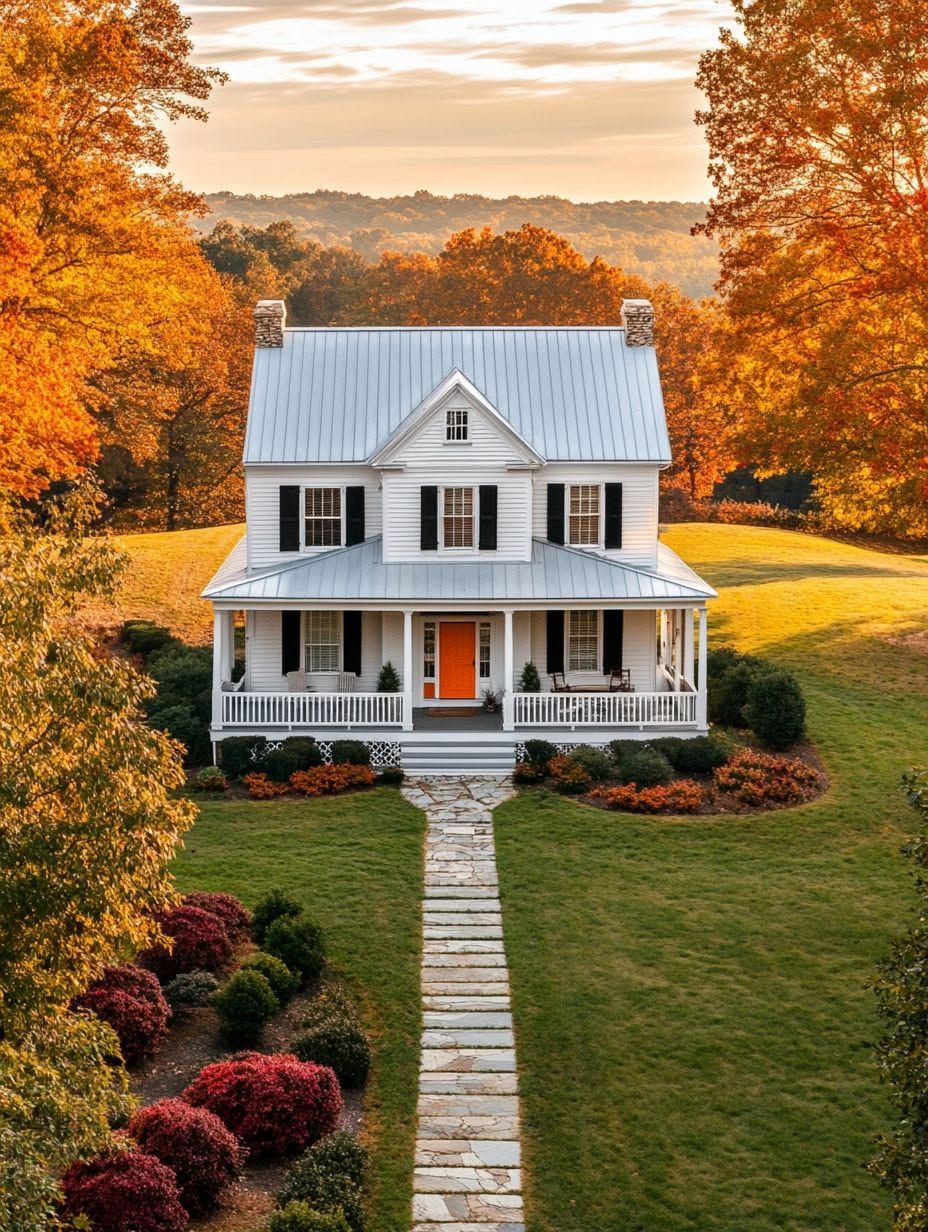
I’ve walked through plenty of farmhouse tours over the years, and the ones that stick with me always get the same thing right: they let old and new sit comfortably in the same room. This Georgia farmhouse pulls that off by pairing traditional details like board-and-batten siding and reclaimed wood with clean-lined, contemporary interiors, giving the whole property a lived-in warmth without feeling dated.
Set on rural Georgia farmland, the home reads as a modern farmhouse in the truest sense of that phrase. Wide porches and a metal roof nod to the region’s agricultural past, while the interior spaces feel bright, current, and easy to live in.
What makes it worth a closer look isn’t just the style mixing. It’s how deliberately each choice earns its place, from the kitchen finishes down to a single barn door.
How Does the Home Balance Rustic and Modern Style?
The house balances rustic and modern style by grounding itself in farmhouse architecture, then layering in streamlined interior finishes that keep everything feeling current. That combination is what defines a modern farmhouse: a structure rooted in agricultural tradition, updated for how people actually live today.
Traditional Farmhouse Character
The exterior does the heavy lifting for rustic charm. Board-and-batten siding, a metal roof, and a wraparound porch all reference the working farmhouses that once dotted this part of Georgia.
Wide columns and simple rooflines keep the facade honest rather than ornamental. Nothing about the outside tries too hard, which is exactly the point.
Clean Lines and Contemporary Comfort
Inside, the architecture shifts toward simplicity. Open floor plans, unfussy trim work, and a restrained color palette give the rooms a contemporary calm that contrasts with the rugged exterior.
That contrast is intentional. A farmhouse that looks rustic outside and feels sharp and current inside tends to age better than one that leans too hard into either direction.
What Makes the Living Spaces Feel Warm and Open?
The living spaces feel warm and open because of generous natural light and layouts built for gathering rather than formality. Large windows do most of the work here, pulling the surrounding countryside into the room and keeping the interior from feeling closed off.
Natural Light and Countryside Views
Oversized windows frame the farmland views and flood the main living areas with daylight throughout the day. In a rural setting like this one, that connection to the land outside is part of the design, not an afterthought.
Black-framed windows, common in this style, add a crisp contrast against soft walls and wood tones. The effect keeps the light-filled rooms from feeling washed out or flat.
Comfortable Spaces for Gathering
Furniture groupings favor conversation over show. Deep sofas, layered textiles, and low coffee tables create a room built for family time, not a space that only photographs well.
I always notice when a living room prioritizes comfort like this. It signals a home designed for daily use, not just visitors.
Which Kitchen Details Create Farmhouse Charm?
The kitchen creates farmhouse charm through warm natural materials paired with practical, everyday functionality. Shiplap walls and a breakfast nook anchor the space in classic farmhouse tradition while still supporting a busy household.
Warm Materials and Practical Finishes
Shiplap paneling shows up on an accent wall or kitchen island, adding texture without overwhelming the room. Paired with custom cabinetry, glass pendant lighting, and a large island with a deep sink, the kitchen balances rustic texture against genuinely functional design.
Natural wood tones and stone countertops keep the palette grounded. These choices hold up to daily cooking while still looking intentional.
A Cozy Place for Everyday Meals
The breakfast nook gives the kitchen a second, more relaxed gathering spot. Positioned near a window overlooking the property, it turns an ordinary meal into a moment worth lingering over.
I’ve found that a well-placed nook like this gets used far more than a formal dining room ever does. It’s close to the action, casual, and easy to settle into for coffee or a quick lunch.
How Can Rustic Details Work in a Modern Home?
Rustic details work best in a modern home when they show up in moderation and serve a real purpose. A single barn door, a few reclaimed wood beams, or one antique accent piece can carry the farmhouse feel without turning the whole interior into a theme.
Using Reclaimed Wood Without Overdoing It
Reclaimed wood beams across a ceiling or an antique door repurposed as a design feature add history and texture. Used sparingly, in one room or as a single architectural moment, that reclaimed material reads as intentional rather than costume-like.
The barn door is a good example. Placed at the entry to a pantry or laundry room, it adds rustic character while doing a practical job.
Choosing Farmhouse Accents That Serve a Purpose
Every rustic accent in a well-designed farmhouse earns its spot functionally, not just visually. Open shelving in the kitchen, a vintage-style apron sink, or a weathered wood dining table all combine charm with everyday use.
I’d rather see one meaningful reclaimed piece in a room than five decorative ones competing for attention. Restraint is what keeps the rustic-modern mix from tipping into clutter.
A Home That Feels Both Fresh and Familiar
This Georgia farmhouse works because every choice, from the porch to the breakfast nook, supports a single idea: honoring the land’s history while building a home suited to modern life. Traditional exteriors, light-filled interiors, warm kitchen materials, and carefully placed rustic accents all point in the same direction.
The result is a property that feels grounded in Georgia’s farmhouse heritage without ever feeling stuck in the past. That’s the balance worth studying if you’re planning a similar renovation or new build.