
13 min read
The Rise of Sustainable Design: How Aluminum Is Shaping Modern Interiors


Edited by: Louise (Editor In Chief)
Fact/quality checked before release.
Fact/quality checked before release.
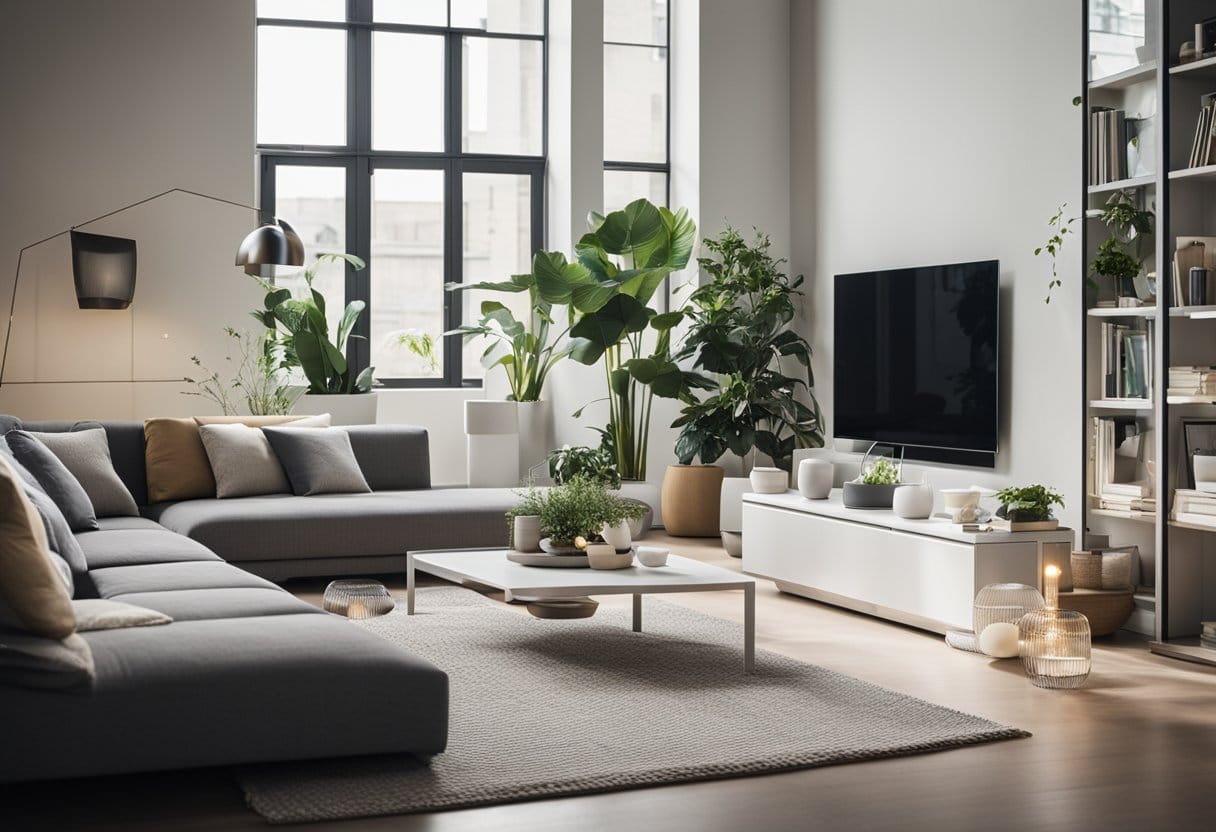
Ever wonder why you’re seeing more spaces with that sleek, modern vibe? Aluminum has become the go-to material in sustainable interior design, blending durability with eco-friendliness in ways few other materials can match. You might spot it in kitchens, bathrooms, and even home offices—thanks to its resistance to rust and ability to stay looking sharp, even after years of use.
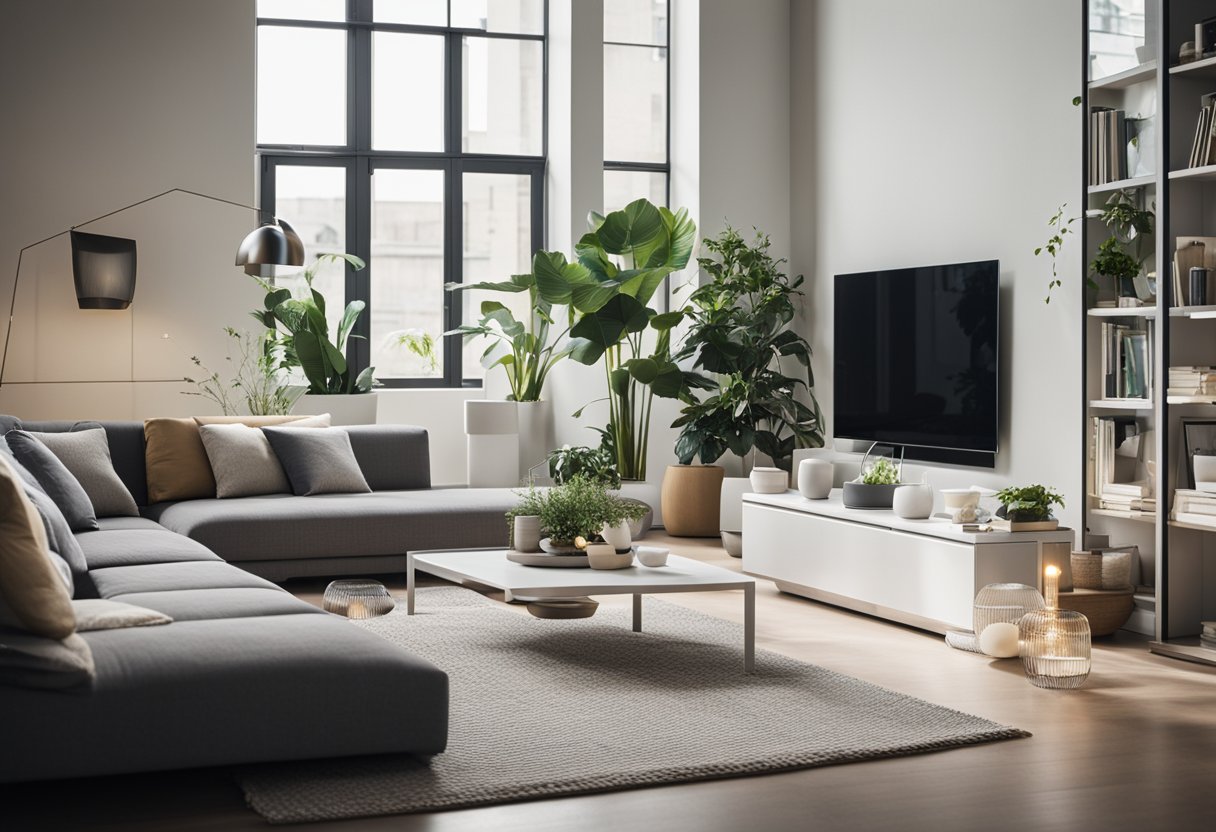
What really sets aluminum apart is its impact on the planet. It’s endlessly recyclable, so it keeps its high quality no matter how many times it gets reused—which is a big win for anyone looking to decorate without hurting the environment. That’s not just good design—it’s smart living.
Curious about what makes aluminum stand out from the rest? Check out this quick comparison:
| Feature | Aluminum | Traditional Materials |
|---|---|---|
| Recyclability | Infinite | Usually limited |
| Corrosion Resistance | High | Varies (often lower) |
| Modern Aesthetic | Yes | Depends on type |
You’re about to see why aluminum isn’t just a trend—it’s changing the way you think about your space.
Understanding Sustainable Design Trends
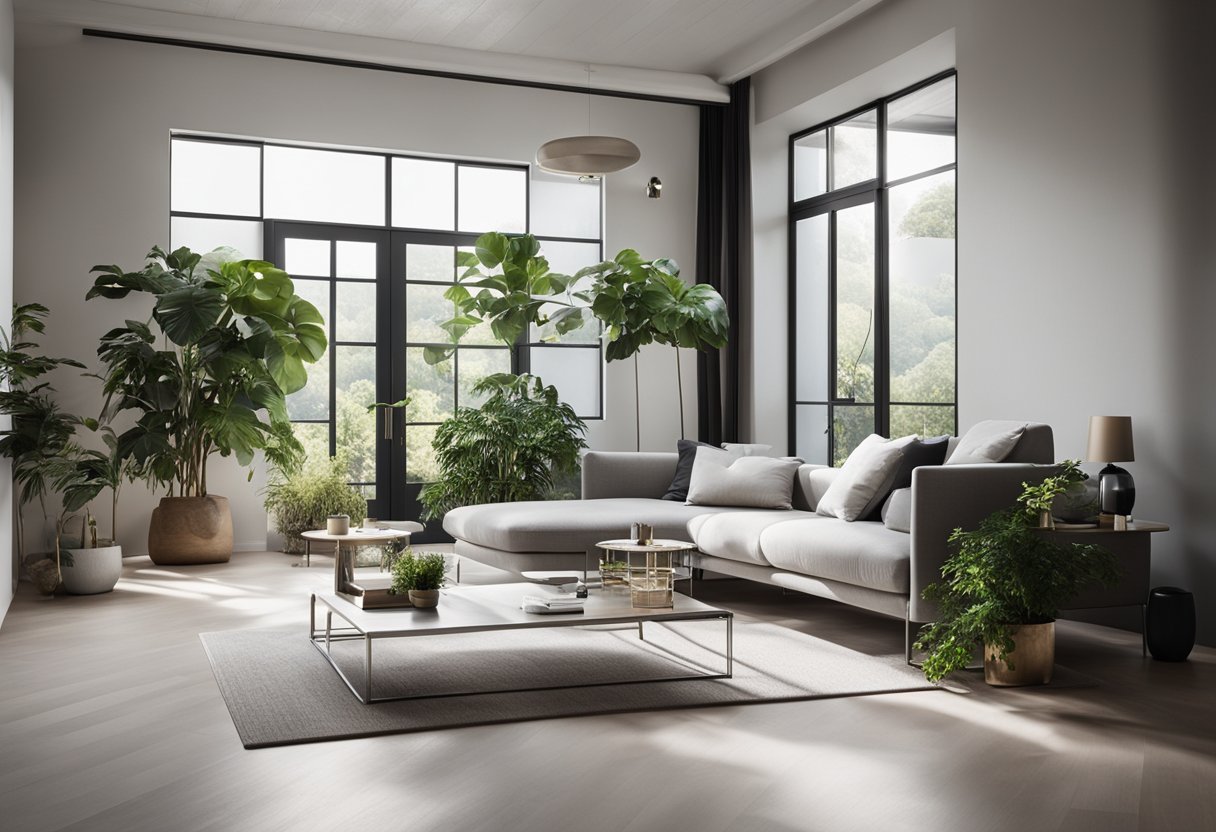
Designing interiors with sustainability at the forefront means combining environmental responsibility with practical, beautiful choices. Materials like recycled aluminum and natural wood are gaining ground due to both their green benefits and their wow-factor versatility in any space.
Eco-Friendly Approaches in Modern Interiors
If you’ve ever wondered how your choices can reduce your ecological footprint, sustainable design is leading the way. Take a look at some core strategies found in today’s most forward-thinking interiors:
| Strategy | Benefit |
|---|---|
| Recycled Materials | Cuts down waste and pollution |
| Energy Efficiency | Lowers utility bills |
| Non-toxic Paints | Enhances indoor air quality |
Aluminum is stealing the spotlight—it’s recyclable, lightweight, and incredibly tough, so you’ll see it used everywhere from furniture frames to decorative wall panels. Even better, choosing eco-friendly finishes and upcycled décor instantly transforms any room while keeping things responsible.
The Role of Sustainability in Architecture
Sustainability isn’t just a buzzword—it’s become a foundation for modern architecture. Many buildings today are designed with smart systems and eco-conscious materials at their core. Features like natural ventilation, solar shading, and high-efficiency insulation are now expected rather than exceptional.
Your designer might recommend materials such as recycled metal, bamboo, or reclaimed wood, all known for their longevity and low environmental impact. Aluminum, in particular, stands out because it resists rust and requires very little maintenance, making it a practical choice for both structural and design elements.
Integrating Natural Materials and Aesthetic Appeal
Mixing natural materials with modern touches lets you pull off that inviting, sophisticated look. Wood, stone, and recycled metals are favorites for creating warm, textured spaces without sacrificing your eco-friendly values.
Focus on pieces that use sustainable sources—like FSC-certified wood or recycled aluminum—and finishes that are water-based and low in VOCs. This means you get style and sustainability in one package. For an extra boost, combine aluminum’s sleek finish with soft, organic fabrics for a layered, intentional look you’ll love.
Why Aluminum Is a Game-Changer in Sustainable Interiors
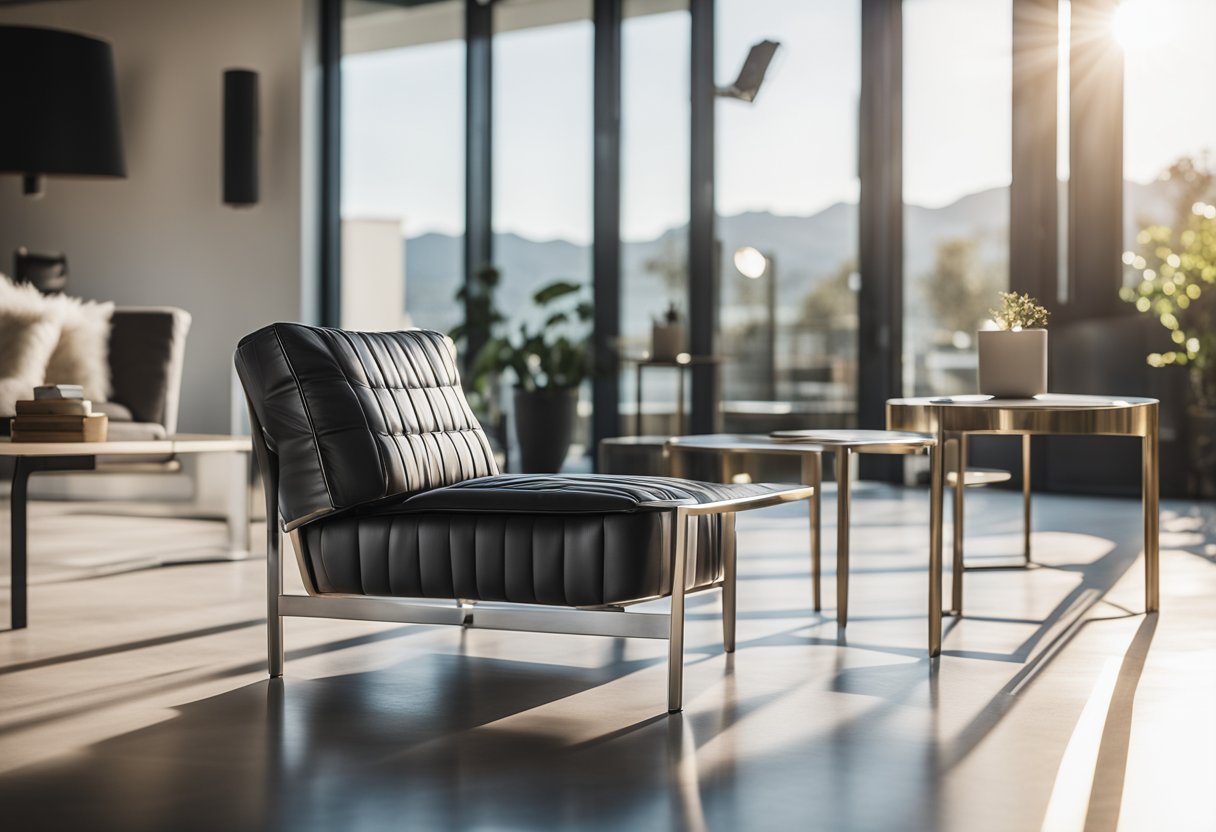
If you want a material that checks all the boxes—from strength to stylish flexibility—aluminum deserves your attention. Its unique characteristics are making it the go-to choice for interior spaces that aim for both visual appeal and practical durability.
Aluminum’s Lightweight and Durable Properties
One thing you’ll notice about aluminum is just how surprisingly light it feels compared to traditional metals. When it comes to installation and handling, this makes your life a whole lot easier. You can transport, lift, and fit aluminum panels or fixtures without needing specialized equipment.
Despite its low weight, aluminum doesn’t sacrifice toughness. In fact, it consistently delivers a strong, sturdy backbone for things like wall panels, frames, and even decorative elements. This strength-to-weight ratio allows you to use aluminum in places where heavier materials just aren’t practical.
Check out this quick comparison:
| Material | Weight | Typical Use in Interiors |
|---|---|---|
| Aluminum | Light | Ceilings, frames, cabinetry |
| Steel | Heavy | Supports, structural elements |
| Wood | Medium | Furniture, flooring |
Aluminum’s durability also means you won’t be dealing with as many repairs or replacements down the road, saving money and hassle over time.
Corrosion-Resistant and Long-Term Performance
Aluminum is naturally corrosion-resistant, which means it stands up to moisture and humidity with ease. Unlike steel, it won’t rust, and unlike wood, it doesn’t warp or swell when exposed to water. This resilience is why you see aluminum used in kitchens and bathrooms where moisture is a constant presence.
Sustainability is at the heart of aluminum’s appeal. It can be recycled indefinitely without losing quality, making it not just a durable choice, but an environmentally smart one. Using recycled aluminum also helps minimize resource extraction and lowers the project’s carbon footprint.
For anyone seeking long-lasting interiors, aluminum is a wise investment. It keeps its appearance and structural integrity over decades, reducing your need for frequent updates or replacements.
Malleability and Design Flexibility
One of aluminum’s most appealing features is its exceptional malleability. That means it can be shaped into almost any form you can dream up—curved light fixtures, intricate decorative panels, even custom-made furniture pieces.
Whether you’re creating a sleek, modern look or going for something more unique, aluminum’s adaptability gives you more creative control. You can achieve sharp linear profiles or smooth, rounded finishes, all without compromising on performance.
Here are a few ways aluminum brings flexibility to design:
- Custom ceiling treatments and wall cladding
- Bespoke shelving, staircases, and railings
- Designer lighting with intricate detail
This flexibility doesn’t just help with aesthetics—it also streamlines installation and renovation, as aluminum elements can be fabricated off-site to exact specifications and then installed quickly and seamlessly in your space.
Aluminum in Modern Architecture
Aluminum is making a huge impact in modern architecture, changing how buildings look, feel, and even function. With its corrosion resistance, sustainability, and flexibility, this metal offers more than just good looks—it delivers long-lasting results.
Aluminum Facades and Wall Cladding
If you want a building to really stand out, aluminum facades take center stage in today’s architecture. These facades aren’t just about style—they’re built to last, staying strong against weather and humidity.
You’ll notice that aluminum wall cladding is a top pick in bathrooms, kitchens, and exterior walls because it never rusts or deteriorates. And let’s not forget the eco-friendly angle: aluminum is totally recyclable and never loses its quality, so it’s a smart choice for anyone with an eye on sustainability.
Here’s a quick look at what sets aluminum cladding apart:
| Feature | Benefit |
|---|---|
| Corrosion-proof | Withstands moisture and humidity |
| Lightweight | Easier installation |
| Recyclable | High sustainability |
| Versatile looks | Fits modern and classic styles |
The Popularity of Aluminum Panels in Commercial Buildings
You’ve probably seen those sleek, modern panels on offices, malls, and hotels—that’s aluminum hard at work. These panels aren’t just a style statement; they’re built to meet high demands in commercial settings.
Aluminum panels deliver strong energy efficiency, helping with insulation and reducing cooling costs. You can count on these panels to hold their color and shape, even after years of sun and rain.
Companies love aluminum for another reason: it’s simple to keep clean and won’t chip or peel. Need to meet green building codes? Aluminum panels check that box because they’re recyclable and energy efficient, helping businesses hit sustainability targets.
Adoption in High-Rise Buildings
When it comes to high-rise buildings, aluminum is tough to beat. It’s lightweight, so it puts less stress on the building’s structure compared to heavier materials like concrete or steel.
Developers choose aluminum cladding for its excellent fire resistance and insulation capabilities—both important factors when you’re going vertical. Plus, aluminum’s adaptability means it can be shaped into complex designs and integrated with glass or other materials for that modern architectural flair.
With its durability and structural flexibility, aluminum is a favorite for window frames, curtain walls, and even elevator shafts in tall buildings. It’s the go-to for architects aiming for impressive skylines while keeping efficiency and safety in mind.
Energy Efficiency and Environmental Impact
Aluminum keeps popping up in modern interiors, not just for its looks, but for practical benefits that matter to your space and the environment. It’s a material designed to meet today’s demand for energy efficiency and sustainability—elements that offer more than just a trend.
Thermal Performance and LEED Certification
Aluminum isn’t only about a sleek, industrial vibe. It’s outstanding for thermal efficiency in windows, doors, and curtain walls. With advanced thermal breaks and insulated profiles, aluminum products can help you maintain comfortable indoor temperatures year-round, which means less strain on the heating and cooling systems.
Here’s a quick breakdown of how aluminum improves your efficiency:
| Feature | Benefit to Your Space |
|---|---|
| Insulated Frames | Reduce heat transfer and lower energy bills |
| Recyclability | Supports eco-friendly LEED credit options |
| Durability | Minimizes need for replacements |
If you’re aiming for LEED certification, you’ll appreciate how aluminum can qualify your project for points under categories like Energy & Atmosphere and Materials & Resources. That’s because it can help curb energy use while being a reliable, long-lasting choice.
Reducing the Carbon Footprint with Sustainable Materials
Recycled aluminum isn’t just buzzworthy—it’s a real game-changer in sustainable design. Manufacturing aluminum from recycled content uses up to 95% less energy compared to starting from raw bauxite. That translates directly to smaller carbon emissions for every element you install.
Using aluminum supports your goal of reducing your environmental footprint. Its infinite recyclability means the same material can be reused over and over without quality loss, reducing landfill waste.
You also help minimize pollution, mining impacts, and energy consumption by choosing recycled products. The result is a healthier indoor environment and a more responsible build—making aluminum a top pick if you’re serious about sustainability and energy-savvy interiors.
Design Possibilities Using Aluminum
Aluminum is changing the way you approach interior spaces. Its flexibility and sleek appearance mean you can achieve both highly detailed artistry and simple, organic vibes—without sacrificing strength or sustainability.
Minimalist and Nature-Inspired Interior Themes
You’ll love how aluminum brings crisp lines and clean geometry to modern, minimalist spaces. The nature of aluminum allows for low-profile frames and fixtures, so your interiors feel uncluttered and streamlined. Take a look at how it fits:
| Application | Why Aluminum Excels |
|---|---|
| Window frames | Slim, almost invisible profiles |
| Wall panels | Sleek, uniform surfaces |
| Furniture bases | Lightweight, sturdy designs |
Nature-inspired designs benefit as well. Aluminum can be finished to mimic wood grains, stone, or even soft matte tones, making it easy to weave into spaces that blur the line between indoors and outdoors. Its resistance to humidity and corrosion means it works just as well in bathrooms and kitchens as in living rooms.
Recycled aluminum options also encourage eco-friendly choices, so you’re not just following trends—you’re making a conscious decision for the environment.
Precision and Intricate Designs
If craftsmanship and detail catch your eye, aluminum is hard to beat.
This material is a favorite for precision engineering. Thanks to advanced fabrication methods like laser-cutting and CNC machining, you get consistently accurate patterns and motifs—no warping or fuzziness.
Check out some creative options you have:
- Laser-cut screens with intricate botanical or geometric designs
- Decorative light fixtures highlighting sharp, consistent shapes
- Detailed trims and moldings for a touch of sophistication
Because aluminum is strong yet lightweight, even the most delicate features hold their form. If you crave both artistic flair and lasting quality, aluminum lets you incorporate not just looks, but the very best in modern craftsmanship.
Applications of Aluminum in Everyday Interiors
Aluminum transforms daily spaces with its resilience, versatility, and modern edge. Its use in interiors offers efficient solutions for durability, style, and integration with technology.
Aluminum Windows and Doors
If you want sleek lines, enhanced durability, and practically zero maintenance, aluminum windows and doors really stand out. Unlike wood, aluminum doesn’t swell, rot, or warp. You’ll notice this especially in kitchens and bathrooms, where humidity is high but you still want that clean look.
Aluminum frames also allow for larger panes of glass, bringing in more natural light. Many modern homes and apartments use slim-profile aluminum to create seamless connections between inside and outside. Plus, you get better energy efficiency, with options for double- or triple-glazed units to keep your space comfortable year-round.
| Feature | What It Means For You |
|---|---|
| Moisture Resistance | No rust or deterioration |
| Slim Frames | More daylight, sleeker aesthetics |
| Recyclability | Sustainable and environmentally sound |
It’s worth mentioning that maintenance is a breeze. A simple wipe-down keeps everything looking sharp.
Roofing and Innovative Material Choices
Aluminum isn’t just for windows and doors—it’s making serious waves in roofing and as an innovative material for ceiling panels and decorative elements. Aluminum roofing is naturally corrosion-resistant, so it handles rain, snow, and heat without complaining. You won’t be repainting, patching, or worrying about rust.
For something more creative, many designers are turning to aluminum for accent walls, ceiling grids, and even staircase railings. It can be anodized or powder-coated in a range of finishes, giving you options from classic metallic to deep matte colors.
Here’s what sets aluminum roofing and interiors apart:
- Lightweight: Easier installation and less structural stress
- Longevity: Decades of life with minimal upkeep
- Custom Finishes: Match your exact color and texture preferences
Choose aluminum for a practical yet modern upgrade that stands up to everyday life.
Smart Home Technology Integration
Today’s smart homes rely on materials that support technology—and aluminum fits right in. Its excellent conductivity and ability to be precision-machined make it ideal for embedding sensors, controls, and lighting fixtures right into walls, window frames, and cabinet systems.
You’ll find smart window latches, motion-sensing doors, and LED lighting tracks built into aluminum panels. This sets the stage for automation and comfort, all while keeping that minimalist vibe. Plus, the strength of aluminum means hardware and electronics stay well-protected without extra bulk.
Incorporating aluminum helps you:
- Integrate automated blinds and lighting
- Conceal wiring for a neater appearance
- Increase durability of all those high-tech features
When you want to blend design, function, and the latest technology, aluminum provides a reliable backbone for your connected home.
Visual Appeal and Longevity in Modern Spaces
Aluminum is changing the way you think about your kitchen, bathroom, and living spaces. It’s not just about looks—it’s about materials that stand the test of time and work as hard as you do.
Maintaining Visual Appeal Over Time
Forget about constant touch-ups or replacements. Aluminum finishes are built to last, resisting scratches, dents, and fading, even in the busiest parts of your home. Unlike some traditional materials, aluminum doesn’t rust, warp, or lose its luster, especially in humid or wet spaces like kitchens and bathrooms.
If you want a space that stays sharp for years, aluminum gives you sleek, modern lines that hold their shape and shine. It’s easy to wipe clean—spill something? A simple cloth does the trick. For busy families or anyone who loves low-maintenance style, you’ll appreciate how aluminum keeps your space looking fresh.
| Feature | What It Means for You |
|---|---|
| Corrosion resistance | No rust spots in bathrooms/kitchens |
| Color retention | Surfaces keep their intended look |
| Simple maintenance | Wipe clean, no polish required |
Balancing Functionality with Style
With aluminum, you don’t have to choose between a space that works and a space that wows. Lightweight but strong, aluminum can be shaped into bold frames, cabinets, and accents, matching almost any style—from minimalist to industrial chic.
You get a range of finishes, like brushed, matte, or high-gloss, to fit your design vision. This flexibility means you can play with light and shadow—making small rooms feel bigger or open spaces feel warmer.
Aluminum isn’t just about aesthetics; its durability means hardware and fixtures work smoothly for years. Whether it’s door handles that never wobble or window frames that stay like new, you get style that lasts as long as you need it.