
5 min read
Inside a Cozy Kentucky Farmhouse Full of Timeless Country Charm


Edited by: Louise (Editor In Chief)
Fact/quality checked before release.
Fact/quality checked before release.
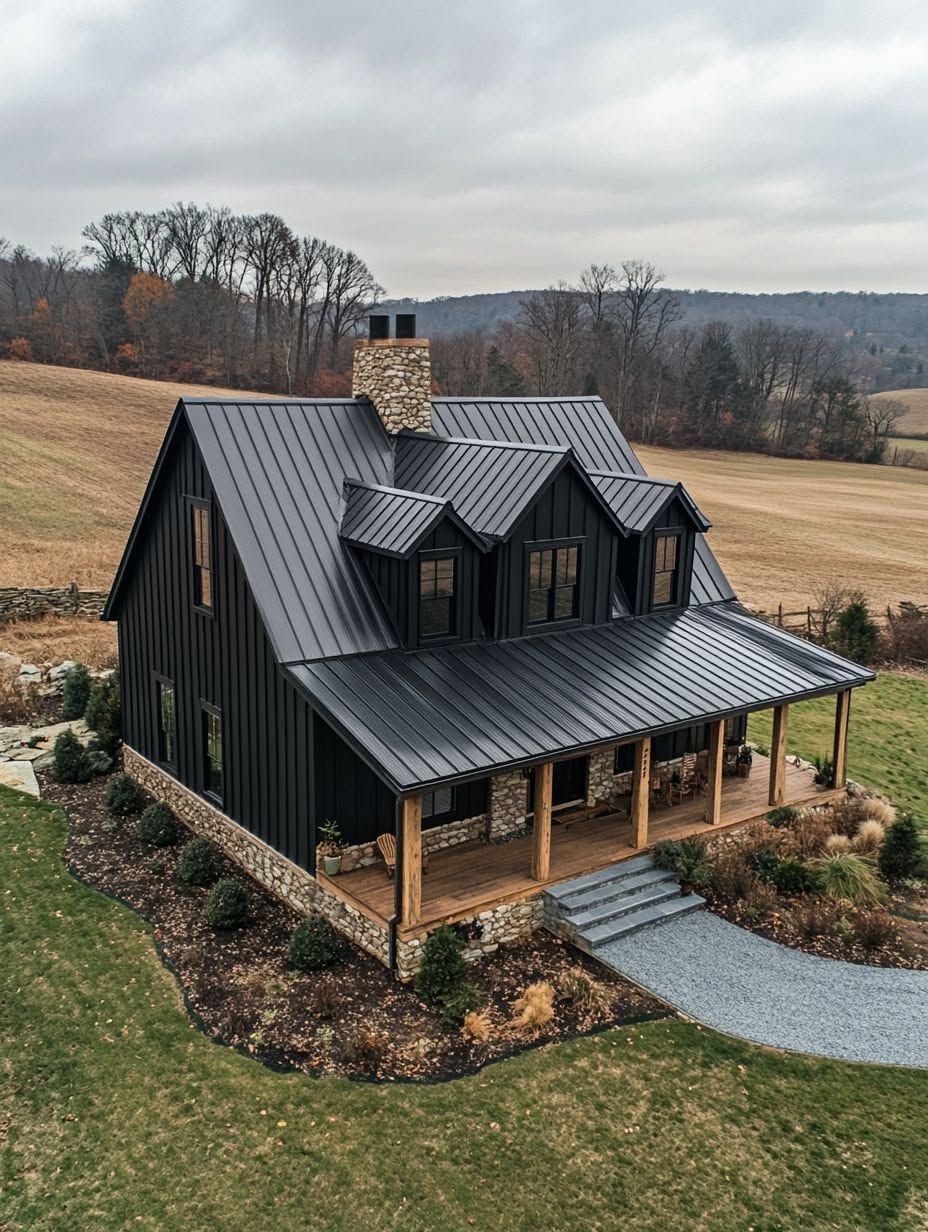
Every time I walk into a Kentucky farmhouse, the same thing happens: I slow down. There’s something about worn wood floors, a pot of something simmering on the stove, and a porch that’s clearly seen decades of evening conversations that makes a house feel lived-in rather than staged.
This particular farmhouse, tucked into the rolling bluegrass countryside, pulls off that trick in a way worth studying. Its charm comes from a mix of honest materials, a collected approach to decor, and rooms built for real, everyday life rather than a magazine spread.
What makes this Kentucky farmhouse feel so timeless is its balance of natural materials, worn-in antiques, and warm, uncluttered rooms designed for gathering rather than showing off. I’ll walk through the kitchen, the living spaces, the bedrooms, and the small collected details that hold the whole look together.
What Gives This Farmhouse Its Country Character?
The character here comes down to two things working together: how the home welcomes people in, and what it’s built from. Neither element does the job alone. A beautiful stone hearth means little in a stiff, formal room, and a relaxed layout falls flat without materials that feel grounded and real.
A Welcoming Approach
The entry sets the tone immediately. Boots by the door, a bench worn smooth from years of use, and a coat rack holding more jackets than seems reasonable all signal that this house expects visitors and mess in equal measure.
Nothing here feels precious. Furniture gets pulled close for conversation, and lighting stays soft and warm instead of bright and clinical. The layout favors open sightlines between the kitchen and living area, so whoever is cooking never feels cut off from the rest of the household.
Wood, Stone, and Other Enduring Materials
Exposed wood beams, wide-plank floors, and a limestone accent wall (a nod to the stone quarried across many Kentucky properties) do most of the heavy lifting. These materials age well and show their history instead of hiding it.
Scuffs and grain patterns read as character, not flaws. Paired with simple painted trim and a few black-framed windows for contrast, the materials palette stays honest and low-fuss. That combination of raw texture and calm, neutral backdrops keeps every room from feeling like a theme rather than a home.
A Kitchen Made for Cooking and Gathering
This kitchen works because it puts function and connection ahead of polish. Open shelving keeps everyday dishes and cookbooks within reach, while a long table anchors the room as the spot where cooking, homework, and conversation all happen at once.
The Farmhouse Table as the Heart of the Room
A generously sized farmhouse table does double duty as prep space and gathering spot. It’s where vegetables get chopped, mail gets sorted, and guests end up sitting even when there’s a living room ten feet away.
I’ve noticed this pattern in nearly every Kentucky farmhouse kitchen worth talking about: the table, not the island, pulls people in. A few mismatched chairs around it only add to the appeal, giving the room a collected, unforced feel.
Practical Storage with a Collected Look
Open shelving holds stacks of ironstone plates, mason jars, and a few pitchers picked up secondhand. Nothing matches perfectly, and that’s the point.
Lower cabinets handle the less photogenic essentials, keeping the open shelves from feeling cluttered. A wood ceiling overhead and simple white cabinetry below let the natural materials do the talking without competing for attention.
Comfort in the Living Spaces and Bedrooms
Comfort in these rooms comes from texture and restraint working together. Soft layers make the spaces feel warm, while a light hand with decor keeps them from feeling busy or overdone.
Layered Textiles and Warm Wood Tones
Wool throws, linen pillows, and a well-worn quilt folded over the arm of a sofa give the living room its warmth. Wood tones (a mix of a reclaimed coffee table and older, darker antique pieces) keep the palette grounded.
Nothing matches too closely. A leather chair sits next to a slipcovered sofa, and the mix feels intentional rather than accidental, built up over time rather than purchased as a set.
Simple Rooms That Invite You to Stay
The bedrooms strip things back further. A neutral quilt, a single reading lamp, and a small stack of books on the nightstand do most of the work.
There’s no rush to fill every wall or surface. Empty space between furniture pieces gives the rooms room to breathe, which makes them feel restful instead of decorated for effect.
How Do Collected Details Keep the Look Timeless?
The look stays timeless because nothing was bought all at once. Vintage finds, inherited objects, and a restrained color palette work together so the home reads as gathered over years rather than assembled from a single shopping trip.
Antiques and Everyday Objects with a Story
A chipped enamel pitcher on the counter, an old wooden ladder leaned against a wall for towels, and a worn leather trunk doubling as a coffee table all carry visible history. These pieces don’t match in period or finish, and that’s exactly why they work.
Interior decorators who favor this collected style often point to the same principle: mix genuinely old pieces with newer, functional ones instead of chasing a uniform look. The result feels personal rather than curated for a catalog.
A Palette Inspired by the Kentucky Countryside
Soft creams, muted greens, and warm browns echo the rolling hills and pastureland just outside the windows. Paint colors stay quiet on purpose, leaving room for the textures and antiques to stand out.
This restraint is what keeps the home from feeling dated five years from now. Trends shift, but a palette borrowed from the landscape outside the window doesn’t go out of style.
Country Charm That Feels Like Home
This farmhouse works because every choice, from the open kitchen shelving to the layered bedroom quilts, points back to the same idea: comfort first, polish second. The materials are honest, the furniture is collected rather than matched, and the color palette borrows straight from the Kentucky countryside outside.
None of it requires a full renovation to borrow for your own space. A worn table, a few vintage finds, and a willingness to let rooms feel a little imperfect go a long way toward that same lived-in warmth.