
13 min read
I Tried the No-Cost Declutter Method: Easy Steps That Made a Real Difference


Edited by: Louise (Editor In Chief)
Fact/quality checked before release.
Fact/quality checked before release.
Let’s face it—you don’t need to spend a fortune to get your space in order. You can completely transform your home using a no-cost declutter method and actually make real progress with what you already have. Once you see how well this works, you’ll wonder why you didn’t start sooner.
Imagine opening your cabinets and drawers to see less chaos and more clarity, simply by rethinking what stays and what goes. The secret is tackling clutter using practical steps like sorting by category, finding a home for each item, and using what you have on hand for storage. No special bins, no fancy systems, just honest-to-goodness results.
You’re not alone if most declutter advice sounds overwhelming or expensive. That’s why I put this method to the test for you—so you can see what actually works without spending a dime. If you’re ready to make a change without making a purchase, you’re in the right place!
What Is the No-Cost Declutter Method?
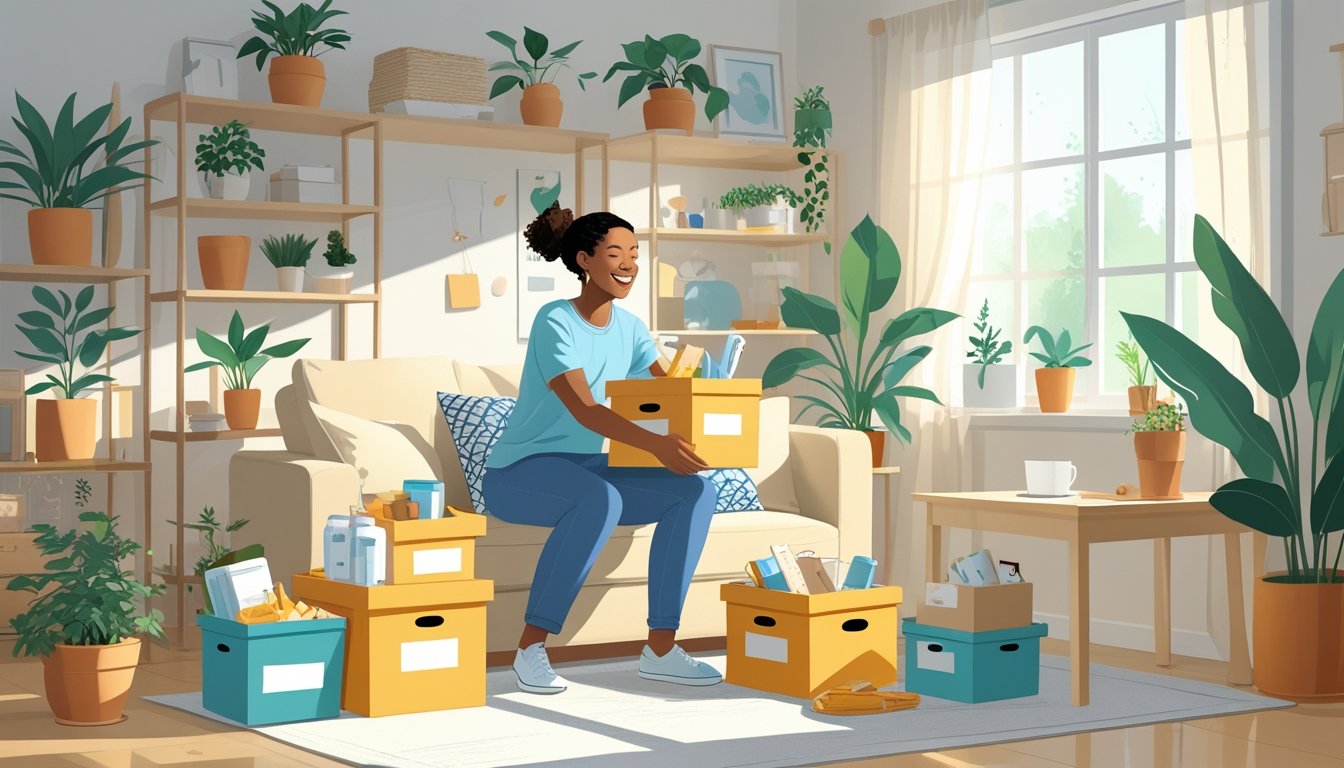
Decluttering doesn’t have to be complicated or expensive—you can get big results using just what you already have at home. If you’re looking for fresh motivation to clear your space, this method can help transform your home using simple steps and a little creativity.
Origins of the No-Cost Declutter Approach
The No-Cost Declutter Method grew from a desire to simplify life without purchasing storage systems, fancy organizers, or digital tools. It taps into the idea that clutter is less about what you own and more about what you actually use.
Many people started sharing their success with this approach online, proving you don’t need a budget to create a tidier, more peaceful space. The method draws inspiration from minimalist movements and practical home organization advice—think “use what you have, let go of what you don’t need”.
You can use everyday things like spare boxes or reusable bags to sort out your items. The popularity of this method stems from the fact that it encourages you to rethink your habits and find ways to control clutter without spending a dollar.
Core Principles of Decluttering Without Spending
The strategy starts with one powerful rule: use no new equipment, supplies, or tools. That means no shopping trips, no fancy bins—just scanning each room and rounding up clutter with what you already have on hand.
Here’s what makes it work:
- Start small—pick one drawer or one shelf at a time.
- Sort items into keep, donate, and discard piles using old bags, baskets, or cardboard boxes.
- Ask yourself if you truly need or use each item; if not, it goes.
This approach keeps you from procrastinating on decluttering just because you lack special containers. It teaches you to prioritize usefulness over perfection. Many find that by skipping the shopping trip, you save time, energy, and actually finish the job faster. Here’s a quick look at the essentials:
| Principle | How To Apply |
|---|---|
| No new purchases | Use old boxes, bags, or bins |
| Sort ruthlessly | Be honest—keep what you love |
| Focus on progress | Small wins build big momentum |
Preparing for a No-Cost Declutter
Getting organized before you start can make the whole decluttering process run smoother. You don’t need to buy anything fancy—just a solid plan, a few everyday supplies, and a clear idea of what you want to achieve.
Setting Clear Decluttering Goals
Start by pinpointing exactly what you want from your declutter experience. Maybe you want to open up space in your living room or make your guest bedroom feel inviting again. Often, clutter builds up simply because there isn’t a method to edit it out.
Write down specific goals like:
- Clear off every flat surface in the kitchen
- Make space on at least one shelf in the closet
- Reduce “junk drawer” items by half
By focusing on each area one at a time, you avoid feeling overwhelmed. List your goals on paper or a notes app, so you can check off each one as you go. Visual progress can keep you motivated and focused. This approach also helps you notice quick wins and adjust your plan if something isn’t working.
Gathering Free Materials and Tools
No need for pricey bins or organizers. The basics will do the trick! Look around the house for:
| Free Material | Best Use |
|---|---|
| Cardboard boxes | Sorting keep/donate/toss piles |
| Old shopping bags | Carrying out items to donate |
| Laundry baskets | Holding items in transition |
| Paper and markers | Making labels and signs |
Tape, sticky notes, and even empty tote bags can help too. Get creative—sometimes old shoeboxes make excellent organizers. Use what’s already on hand rather than adding more to your space. This not only saves money, it keeps your declutter project truly no-cost from start to finish.
How I Started: My Initial Decluttering Steps
When you’re staring down a messy room or a packed closet, it’s way too easy to feel frozen. Clearing that mental fog starts with knowing what you own and figuring out where your effort will have the biggest impact. Small shifts in your approach can save you a ton of time and energy.
Assessing Your Living Space
Take a slow walkthrough of your home—don’t rush this part! You’re not looking for perfection. Instead, pay attention to each room and jot down what you see. Is the kitchen table buried under papers? Are bedroom surfaces crowded with random bottles and knick-knacks?
A handy trick is to use your phone to snap quick photos of messy spots. Seeing clutter in photos often makes problem areas pop out more clearly than when you’re just glancing around. You’ll notice what’s truly taking up space.
Don’t try to sort anything yet. Your only job here is observing and noting what you find. This approach lets you make a plan based on where the most clutter—and frustration—actually lives.
Identifying High-Impact Areas
Deciding where to put your effort first is key. Think about where you spend the most time, or spots that make life harder when they’re a mess—like the entryway, kitchen counter, or bathroom sink.
Here’s a simple table to help you prioritize:
| Area | Why It’s High-Impact | Small Win You Can Get Fast |
|---|---|---|
| Kitchen Counter | Prepping meals is quicker and less stressful | Ten fewer dishes to clean |
| Entryway | Walk in/out without tripping or losing keys | Shoes and bags in one basket |
| Desk | Easier to work or pay bills | More space for your laptop |
If you’re still feeling stuck, set a timer for ten minutes and focus on the space you touch first every day. Starting where you’ll notice the biggest difference builds momentum so you can tackle the next area with more confidence.
Key Strategies That Made a Difference
Using only what you have on hand demands a creative approach and a little extra effort. The right sorting method and knowing how to offload your unwanted stuff for free are absolutely clutch to making a no-cost declutter really work.
Sorting and Categorizing Items
When you’re decluttering without spending a dime, how you sort your items is a total game-changer. Start by emptying out small sections at a time—think a single drawer or one shelf. This “micro-decluttering” helps you avoid overwhelming mess and keeps your momentum strong.
Create clear piles:
- Keep (what you use and love)
- Donate/Give Away
- Recycle
- Trash
Be honest with yourself about what stays. An easy trick is the “one in, one out” rule. If something comes back in, something else should leave.
Use boxes, bags, or even baskets you already have lying around to keep categories separated as you go. Label each temporarily (sticky notes or masking tape work) so you know exactly what’s what. This makes the next steps way smoother—and helps you actually finish the process.
Free Disposal and Donation Options
You don’t have to spend money to get rid of things responsibly—or even generously. The best strategy is to take advantage of free pickup services or local drop-off sites. Many donation centers (like Goodwill or Salvation Army) will accept gently used goods at no charge. Some places even pick up larger items if you schedule ahead.
For stuff they won’t take, check for recycling centers that accept specific items—electronics, metals, or textiles. Consider hosting a “giveaway day” for neighbors or listing items for free on local groups or apps like Facebook Marketplace, Freecycle, or Buy Nothing. Below is a quick comparison of free options:
| Option | Pros | Example Use |
|---|---|---|
| Donation centers | Supports charity | Clothes, books |
| Recycling stations | Eco-friendly disposal | Old gadgets |
| Online/Neighborhood giveaways | Fast, builds community | Furniture, toys |
Getting it out of the house at no cost is all about making the most of what already exists in your community.
Creative Solutions That Cost Nothing
You don’t need to spend a dime to improve your space and get organized. Sometimes, the most effective tricks are hiding in plain sight, using items you already have and getting creative with how you see your stuff.
Repurposing Everyday Items
Ready to make your home feel tidier without opening your wallet? Start by looking at what you already own in a brand-new way. Old shoeboxes, glass jars, empty tin cans—all can be transformed into something genuinely useful.
For example, shoeboxes make great drawer dividers for socks, underwear, or office supplies. If you have empty glass jars, turn them into holders for pens, buttons, or spices. Even egg cartons can store jewelry or tiny craft supplies.
Here’s a quick take on everyday objects you can reuse:
| Item | New Use |
|---|---|
| Glass jars | Organizer for pens, nails, or cotton pads |
| Shoeboxes | Drawer dividers, stackable bins |
| Egg cartons | Jewelry, bead, or hardware storage |
| Tin cans | Desk supply caddy, kitchen utensil holder |
It’s a hands-on way to reduce clutter while adding a custom touch to your home.
Organizing With What You Already Own
Instead of buying new bins or trays, rethink the containers you have. Plastic takeout containers, baskets left from gift sets, or even sturdy shopping bags can work wonders for putting things in order.
Group similar items together—put all stationery in a basket, or use a shopping bag to hold winter scarves. It helps to label these makeshift bins, even if it’s just a sticky note or masking tape. This way, you know exactly where things belong and you avoid losing track of your efforts.
By using what’s at your fingertips, you stay practical and resourceful. It keeps you from accumulating more and forces you to make decisions about what you truly need, so clutter doesn’t sneak back in.
Challenges I Faced and How I Overcame Them
Sticking with a no-cost declutter plan isn’t just about tossing extra stuff or filling trash bags. You’ll run into mental roadblocks, and sometimes your heart gets in the way when it’s time to part with items that mean something.
Staying Motivated Throughout the Process
Momentum is everything when you’re decluttering for free—there’s no fancy new storage bin to spark excitement, so motivation has to come from within. On some days, you might feel like you’re making zero progress, especially if you get lost in old papers or random junk drawers.
To push past those moments, I relied on small wins. I created a checklist on my fridge and crossed off areas as I finished. If you like visuals, here’s a simple habit tracker I used:
| Area | Done? |
|---|---|
| Kitchen Drawers | ✅ |
| Hall Closet | ✅ |
| Bedroom Nightstand | ❌ |
Each little checkmark really boosts your morale. Scheduling 15-minute sessions instead of marathon cleaning also made the task less intimidating. Remember, you’re not racing anyone. It’s about steady progress.
Handling Sentimental Belongings
Letting go of items that hold memories is possibly the hardest part. Old birthday cards, childhood trophies, and family mementos can tug at your heartstrings. It’s tempting to tell yourself you’ll use or need them someday, but most of the time, they just take up space.
To move forward, try this mini-exercise:
- Pick one item you’re struggling with.
- Take a photo for your memories.
- Write a short note about why it mattered.
If you don’t need the physical item, this trick gives you a way to hold onto the memory instead. Another way is to create a “sentimental limit”—for example, one box per person. That way, you’re honoring special moments without letting clutter multiply.
Unexpected Benefits and Real Results
You might think decluttering is just about getting rid of stuff, but there’s a lot more going on under the surface. The no-cost method does more than clear your shelves; it changes how you feel about your space and even about yourself.
Improved Well-Being and Focus
When you start removing unnecessary items, you’ll notice a surprising shift in how you feel every day. A clutter-free home can seriously lower your stress levels—no more searching for keys in a sea of junk or feeling embarrassed when guests drop by unexpectedly.
You might not realize it, but decluttering helps you think more clearly. It lets your brain focus on what’s important instead of getting distracted by visual chaos. For many, it even means less time cleaning or picking up, which means more time enjoying your home or getting things done.
Here’s a quick look at some unexpected gains:
| Benefit | Why it Matters |
|---|---|
| Better sleep | Calm rooms help your mind unwind |
| Fewer “where is it?” moments | Saves you time and frustration |
| Allergy improvement | Less dust means fewer sneezes |
| More confidence | You’re proud to show off your space |
Transforming My Living Space
Decluttering without spending a dime makes a real, visible impact. You’ll spot open surfaces, clear walkways, and rooms that breathe instead of feeling crowded. That overhaul isn’t just cosmetic—it makes every room work better for you.
With fewer distractions, your rooms get new life. A guest room finally becomes usable, or maybe your living room now has space for a hobby you love. You can find what you need, whether it’s craft supplies or the remote, without digging through piles.
It’s also about how your home smells and feels. Fewer piles mean better airflow and a fresher environment. You’ll probably notice you’re less anxious about guests ringing the doorbell. Your house feels more welcoming—and so do you.