
9 min read
How to Style Your Mantel for October (Beyond Pumpkins)


Edited by: Louise (Editor In Chief)
Fact/quality checked before release.
Fact/quality checked before release.

I love this time of year. I always get excited about swapping out summer clutter for something that actually feels like October. In this piece I’ll show you how to style your mantel for October beyond pumpkins, think moody textures, warm light, natural height, and clever swaps that look polished but don’t expensive. I’ll walk you through choosing a theme and colors, building a balanced layout, alternatives to the usual pumpkin pile, lighting tips that feel cozy not spooky, easy DIYs, and the safety and upkeep stuff no one wants to forget. Stick with me, you’re gonna want to try at least two of these tricks tonight.
Set the Mood: Choose a Theme and Color Palette
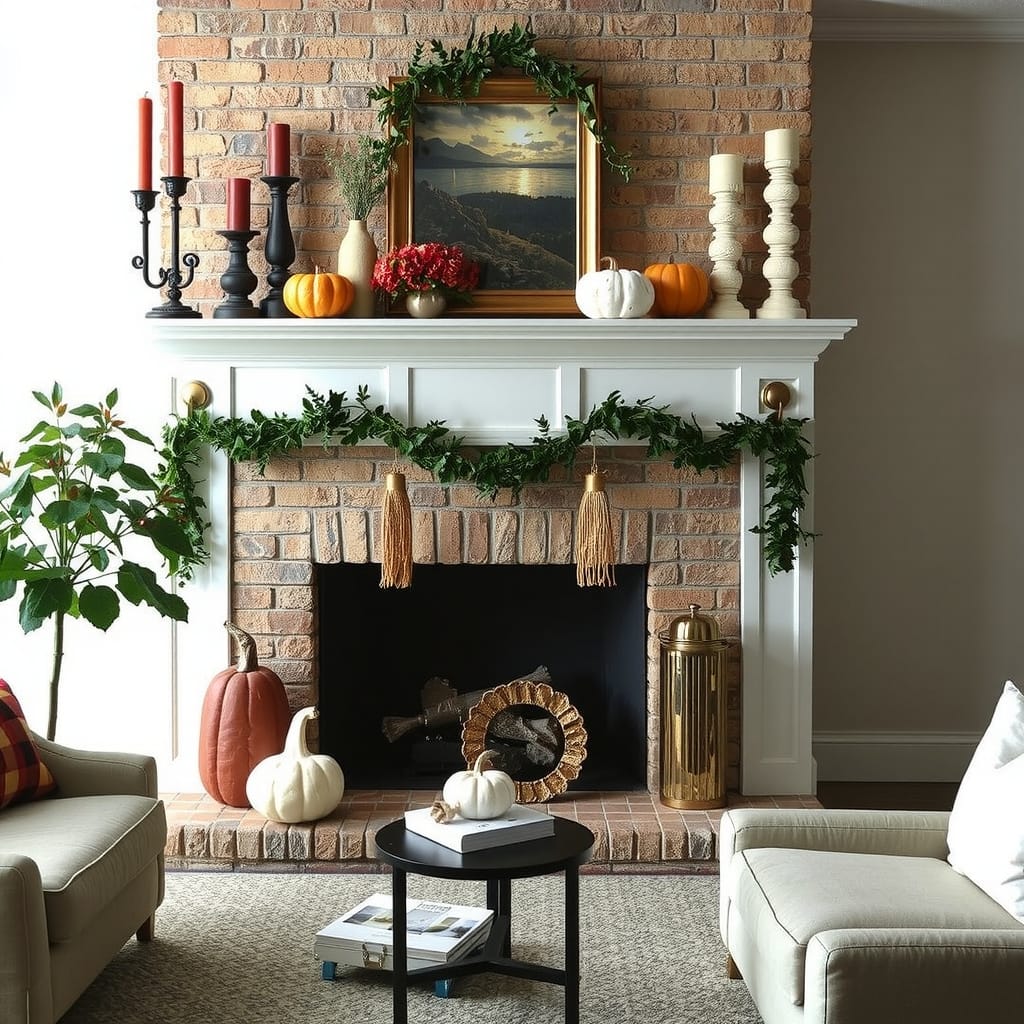
Pick an October-Appropriate Theme (Cozy Harvest, Moody, Minimal)
I always start by picking one clear theme. It keeps the mantel from looking like a thrift store exploded. For October I tend to choose between three vibes: Cozy Harvest (think warm woods and plaid), Moody (deep colors and drama), or Minimal (clean lines with one or two seasonal details). Pick one and stick to it. If you try to do cozy and moody and minimal all at once it gets messy fast.
A quick personal story: once I mixed brass candlesticks, a neon sign, and a corn stalk. Yeah, it was a disaster. I learned to be ruthless about theme decisions after that.
Choose A Cohesive Color Palette and Accent Tones
Pick a palette of 3 to 4 colors: a base, a mid tone, and 1–2 accents. For Cozy Harvest I use cream, rust, forest green, and a mustard accent. For Moody I’ll go charcoal, eggplant, oxblood, and a touch of aged gold. Minimal calls for warm white, raw wood, and black.
Use these colors across objects, textiles, and small props so the mantel reads as one intentional piece. I like to pick one bright accent and use it sparingly so the eye has a place to rest.
Texture, Pattern, and Scale Tips to Reinforce Mood
Textures sell the season. Layer a chunky knit runner for Cozy Harvest. Add matte ceramic and velvet for Moody. Use raw linen and stoneware for Minimal. Patterns should be limited: one large-scale pattern and a subtle small-scale pattern max.
Scale matters: a tiny sprig on a large mantel gets lost. Aim for one or two big pieces and several smaller supporting pieces. That contrast builds interest and depth.
Build a Balanced Layout: Composition, Scale, and Focal Point
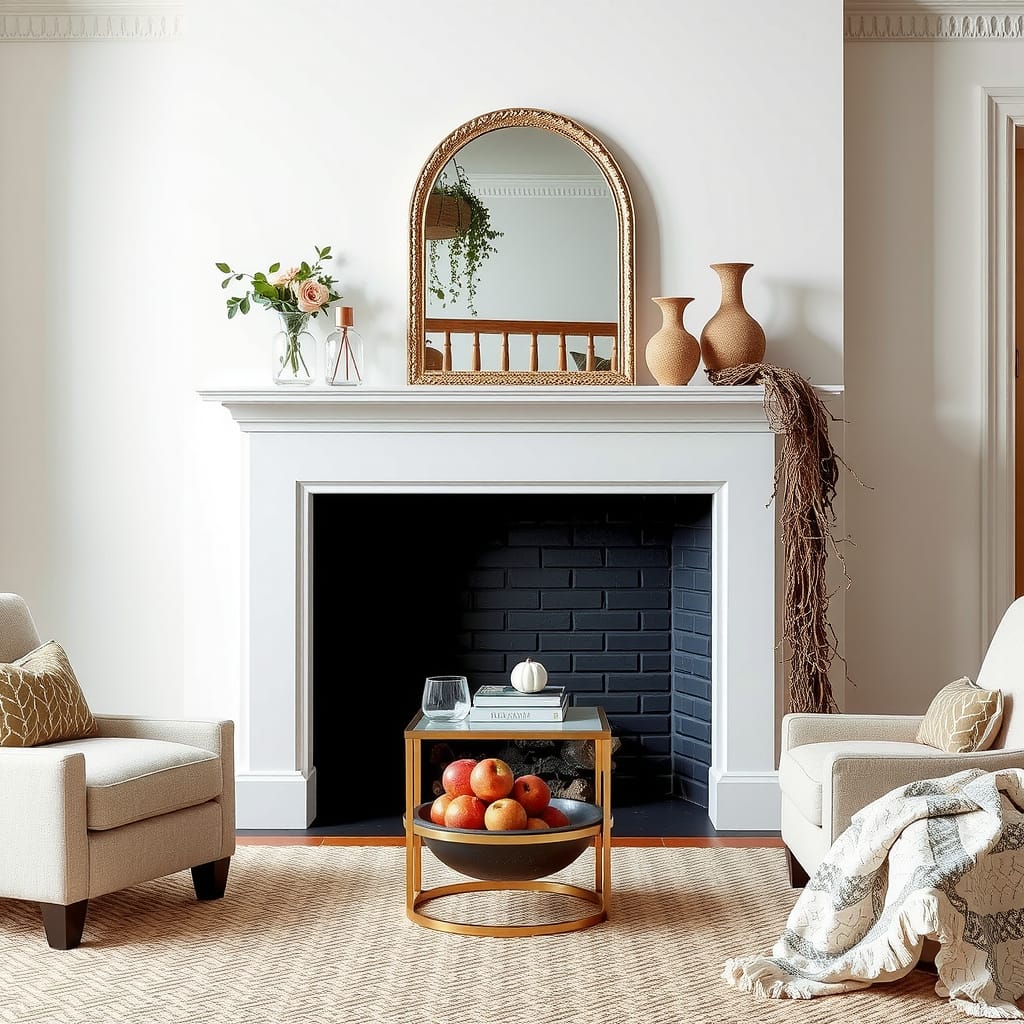
Anchor the Mantel With Artwork, Mirror, or a Large Object
Every mantel needs an anchor. I prefer artwork or a bold mirror centered behind the mantel. It gives you a focal point and helps set scale for everything else. If your anchor is a mirror, angle it slightly to catch light. If it’s art, choose one piece that’s roughly two thirds the width of the mantel or a bit larger, that proportion feels right to the eye.
Layering, Height Variation, and the Rule of Odds
Layering is how rooms look curated not cluttered. Start with the anchor at the back. Then place tall items at varying heights, branches, tall candlesticks, a stacked book column. Use the rule of odds: groupings of three or five objects look natural. For instance, three vases of different heights or five small apples in a bowl. Vary height and depth. Put something forward, something back. It creates a little landscape.
Leave Negative Space and Adjust for Fireplace Depth
Sometimes less is more. Leave gaps so the eye can breathe. If your fireplace sits deep, pull a low object forward to connect the mantel and hearth. If it’s shallow, avoid heavy, projecting pieces that make the mantel feel top-heavy. Stand back often. I’ll style half, then step back with my coffee and stomp around like I’m inspecting a renovation. It helps.
Seasonal Materials and Alternatives to Pumpkins
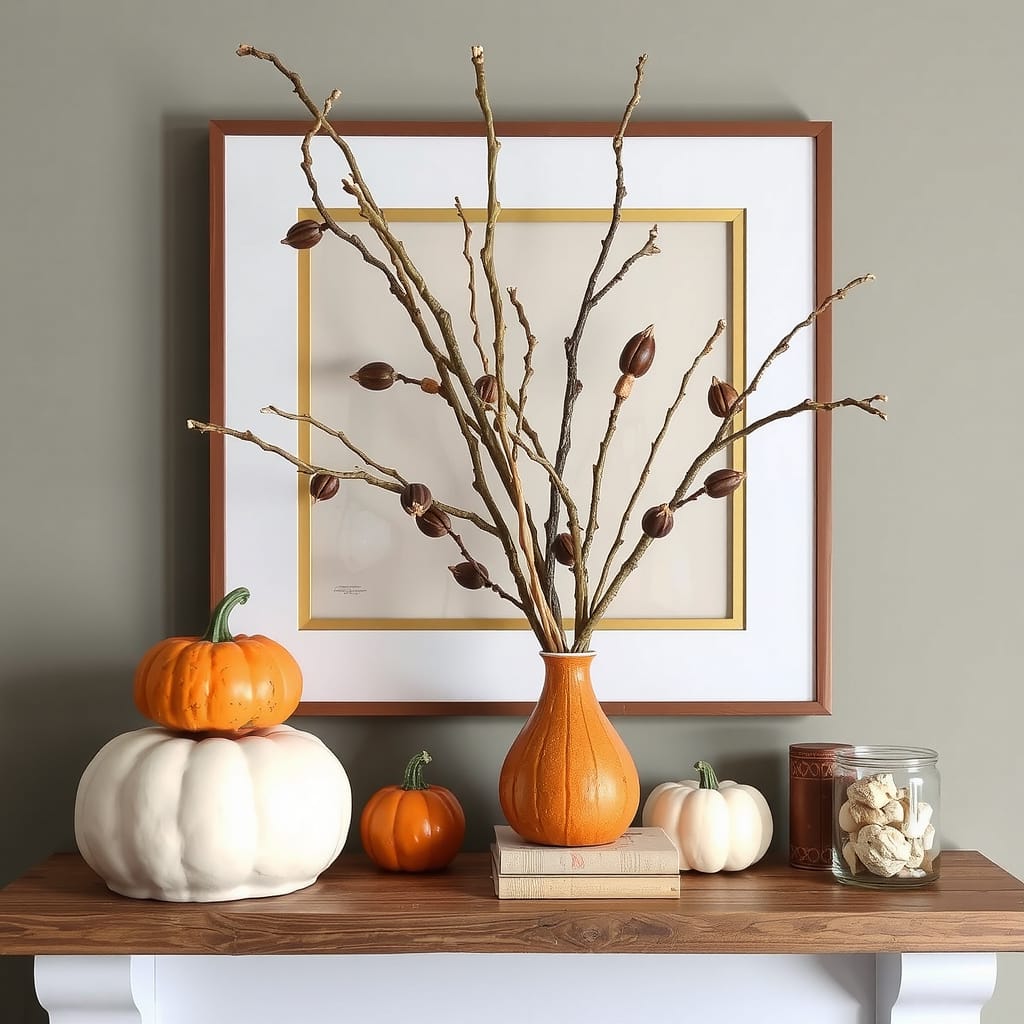
Branches, Dried Grasses, and Twigs for Natural Height
Long branches, curly willow, and dried grasses give you instant height without the pumpkin cliché. Put them in a tall vase on one side of the mantel and your focal art on the other for balance. I like to strip bark or spray a subtle color on the tips for a modern edge.
Dried Flowers, Seed Pods, and Wreath Fragments
Dried hydrangea, lunaria (honesty), and seed pods are beautiful and last the whole month. Break a wreath into fragments and tuck pieces along the mantel for continuity. They give you that fall feel without kitschy orange overload.
Edible and Harvest Alternatives: Apples, Pomegranates, Gourds, Nuts
Apples and pomegranates add color and texture. Arrange them in a shallow bowl or scatter a few along a garland. Whole nuts in a glass jar are an unexpected rustic touch. Nontraditional gourds, muted, bumpy ones, work better than the standard carved types.
Nontraditional Elements: Ceramics, Vintage Books, Sculptural Objects
Bring in a ceramic jug, a stack of vintage books, or a small sculpture. They anchor the season with permanence. I love a matte black vase paired with a rough wooden bowl. They read autumn without screaming it.
Lighting and Ambiance: Warmth Without Overdoing Halloween
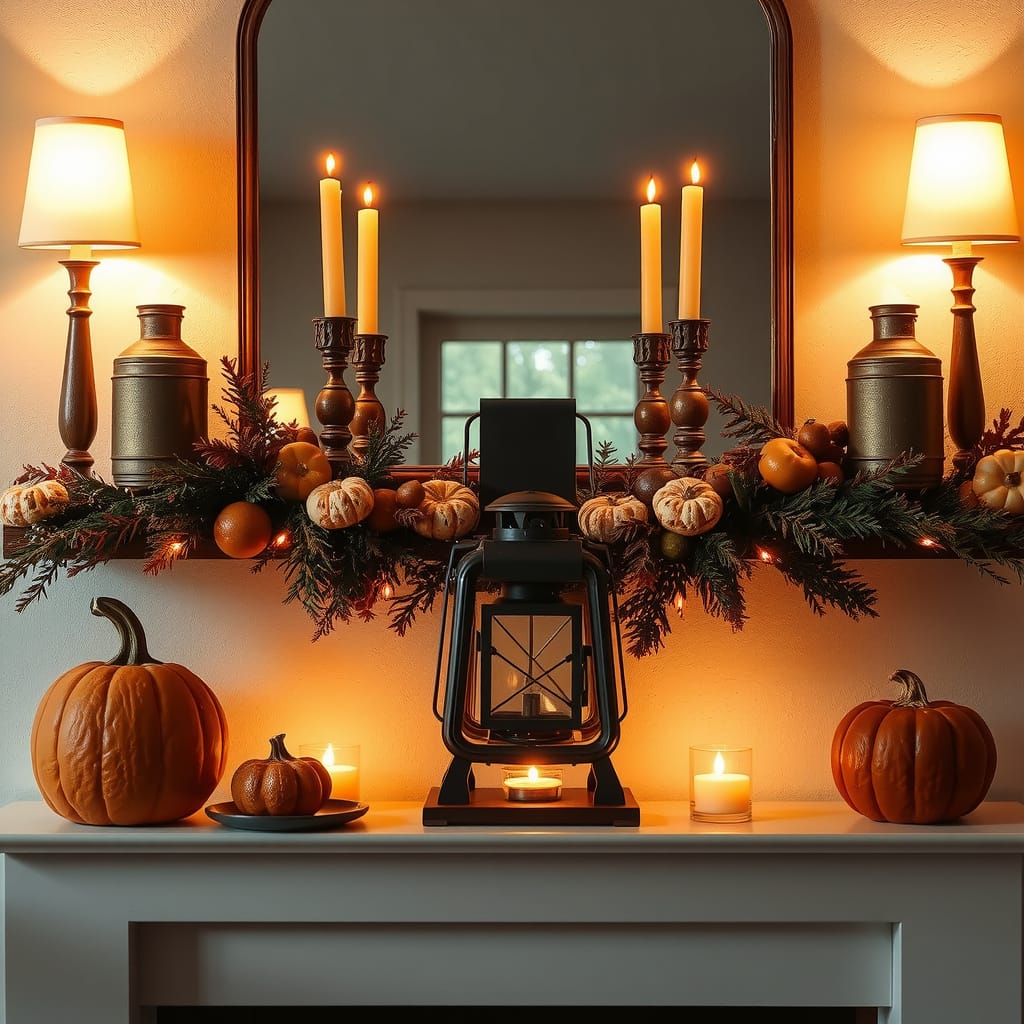
Candle Styling and Fire Safety Best Practices
Candles give softness but you gotta be careful. Use sturdy candle holders and keep flames away from dried materials. I use hurricane glasses for pillar candles and never leave them unattended. Battery-operated LED candles are a lifesaver for weekday evenings. They look convincing now.
String Lights, Lanterns, and Dimmable Options
A warm string of LED lights woven through a garland feels cozy. Place a lantern at one end of the mantel for a focused glow. If you have dimmable overhead lights, drop them low to let the mantel glow. Layer lighting: dimmable main light + candle or LED accents equals instant atmosphere.
Using Reflective Surfaces and Mirrors to Amplify Glow
Mirrors and glossy ceramics amplify light. If your mantel sits opposite a window or doorway, angle reflective pieces to bounce that light back into the room. Even a small metallic tray under candles throws more warmth across the mantel.
Easy DIY Projects and Quick Styling Swaps
Simple Vase Arrangements and Bundled Bunches
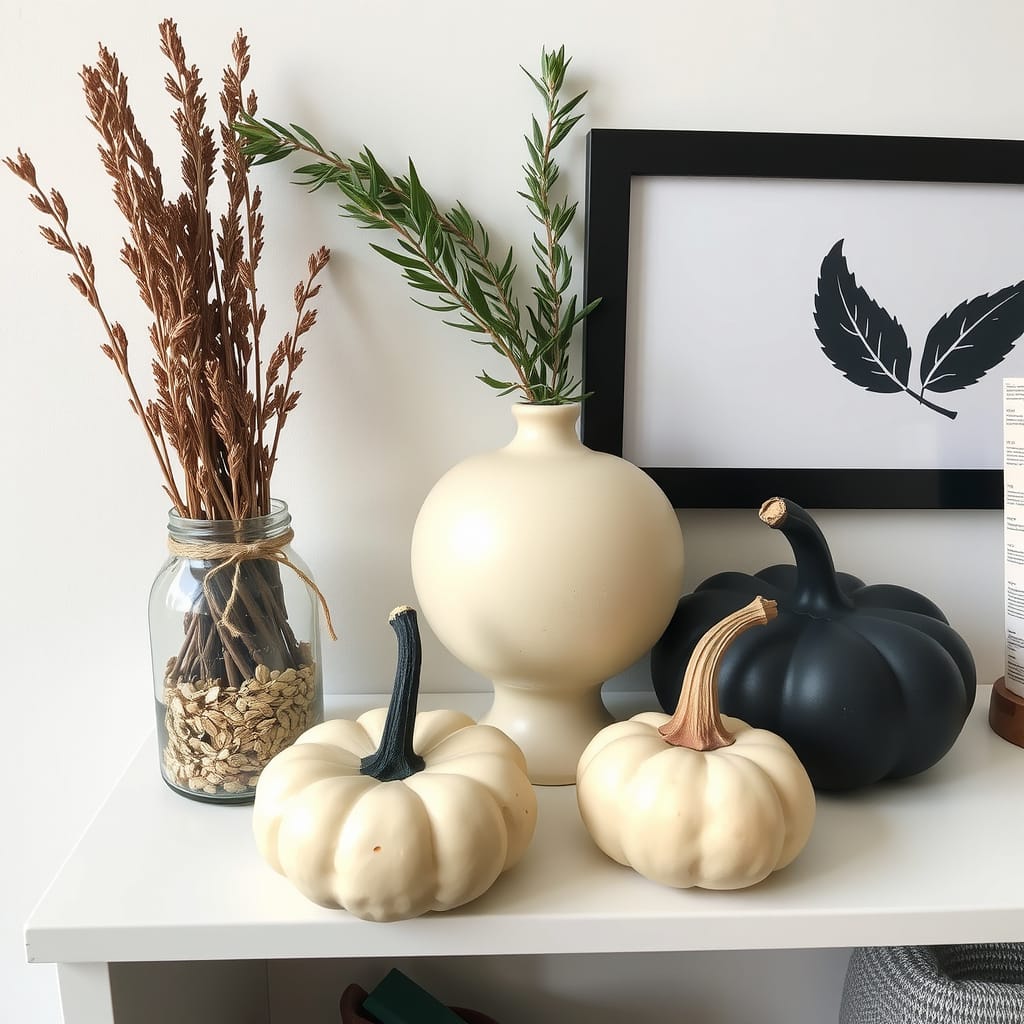
Fill a mason jar with dried oats or millet and tie with twine. Stick a few stems or branches in and you have a simple, farmy arrangement. Bundle small bunches of herbs like rosemary or bay and hang them or lay them flat, they smell good and look good.
Decorating Non-Carved Gourds, Painted Objects, and Stamped Textiles
Painted gourds in matte black or soft cream feel modern. Use stencils to stamp textile runners or throw pillows with leaf motifs. These quick changes transform a shelf in under an hour. I once painted three gourds while waiting for a door to dry. Not glamorous, but it worked.
Budget-Friendly Sourcing and Thrifted Finds
Hit thrift stores for candlesticks and old frames. Farmers markets are gold for dried grasses and odd gourds. I’ve found gorgeous vintage books and a brass lamp at flea markets for ten bucks. Hunt with intention: look for color, shape, and texture, not matching sets.
Maintenance, Safety, and Transitioning Through October
Caring for Fresh Materials and Extending Their Life
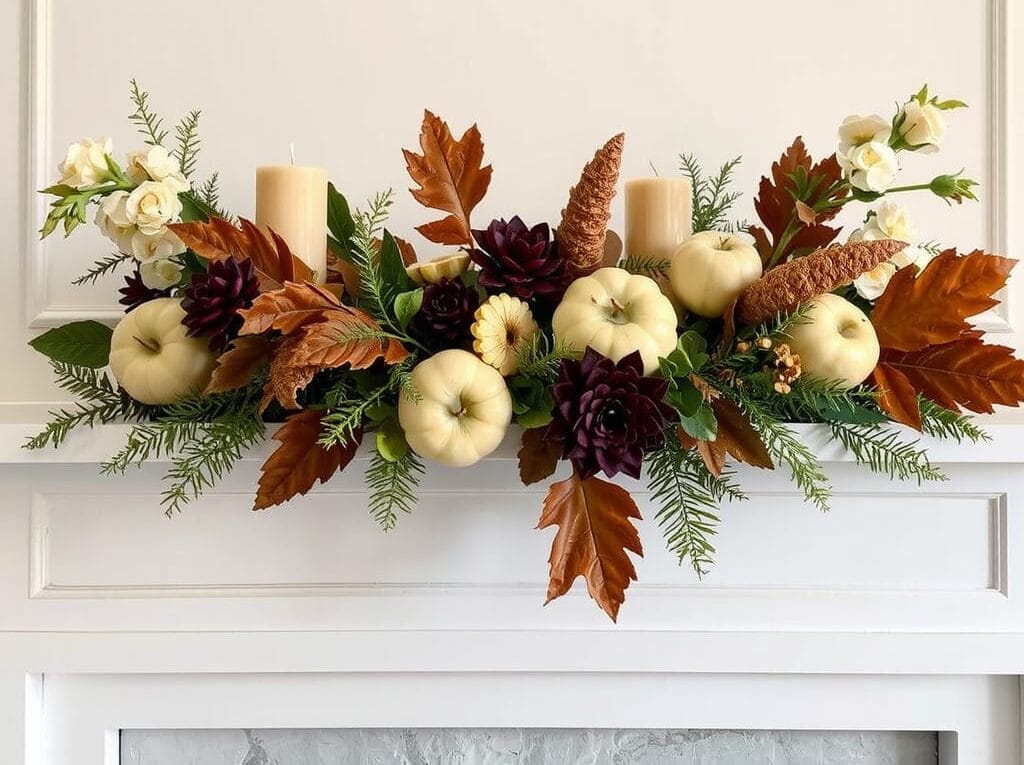
To keep fresh branches and fruit looking sharp, mist them lightly and replace apples if they get soft. Dried materials last longer but can shed. Give arrangements a gentle shake outside now and then.
Stability, Flame Safety, and Child/Pet Considerations
If you have kids or pets, anchor tall vases with museum putty and use battery-operated candles. Keep small, edible items out of curious paws. Heavy items should sit away from the mantel edge. I learned this the hard way when my dog launched a candle into the room. No one was hurt but it taught me to secure things.
How to Evolve the Mantel From Early October to Halloween to November
Start October with a more neutral, harvest feel. Add a few darker accents midway through the month for mood. Swap in a spooky touch for Halloween night, a single dark wreath fragment, a black candlestick, then remove the overtly spooky bits and introduce warm, thankful elements for November: extra greens, a gratitude jar, seasonal dishes.
Conclusion
You don’t need a pile of carved pumpkins to make a mantel feel like October. Pick a clear theme, build around a strong anchor, use natural materials and interesting textures, and layer in warm light safely. Try one big change and a couple small swaps: branch in a tall vase, a bowl of pomegranates, and a strand of warm lights. Do that and your mantel will feel intentional, seasonal, and ready for cozy nights. Now grab a mug, clear off that shelf, and have some fun. You’ll probably mess up one time, and that’s fine. Fix it, learn, and then enjoy it.