
12 min read
How to Pick the Perfect Parquet Floor Pattern Style (Tips & Tricks)


Edited by: Louise (Editor In Chief)
Fact/quality checked before release.
Fact/quality checked before release.
Key Takeaways
- Parquet flooring combines geometric patterns and natural wood textures to deliver durability, timeless elegance, and versatility.
- Popular patterns like Herringbone, Chevron, Basket Weave, Versailles, and Mosaic allow you to match any room size, aesthetic, and functionality.
- Wood options such as oak, walnut, maple, and cherry influence the appearance, durability, and overall vibe of your floor.
- Consider factors like room size, natural light, home decor, and budget when selecting the perfect parquet floor pattern.
- Visualization tools, hardwood samples, and expert consultations can help make confident decisions and avoid design regrets.
- Avoid common mistakes like ignoring room proportions, overlooking lighting effects, and following fleeting design trends for a long-lasting, stylish floor.
Ready to take your flooring game to the next level? Parquet floors aren’t just functional—they’re a statement. With their intricate patterns and timeless charm, they can completely transform a space, adding personality and flair that’s uniquely yours. But with so many styles to choose from, how do you know which one’s the perfect fit for your home?
Understanding Parquet Flooring

Parquet flooring brings charm and sophistication to your space. With its geometric patterns and natural wood textures, it transforms an ordinary floor into a stunning design feature.
What Is Parquet Flooring?
Parquet flooring consists of individual wood pieces arranged into decorative patterns. Unlike traditional plank-style floors, parquet designs range from simple grids to intricate layouts like herringbone and chevron. Originating in 16th-century France, it has become a global favorite for adding timeless elegance to interiors.
Benefits Of Parquet Flooring
You get more than just beauty with parquet flooring. It stands out with its durability, versatility, and uniqueness. The following benefits make it a go-to choice:
- Timeless style. Patterns like herringbone and basket weave never go out of fashion, keeping your space trendy over time.
- Increased home value. Homes with well-maintained parquet flooring are often considered more appealing by potential buyers.
- Easy maintenance. When sealed properly, parquet floors resist stains and scratches better than many other flooring options.
- Design variety. A wide selection of wood types and pattern styles allows you to match any aesthetic, from classic to contemporary.
Popular Parquet Wood Types
The type of wood you choose affects both the look and the longevity of your flooring. Each wood type brings its own distinct character:
- Oak. Known for its durability and rich grain patterns, oak integrates beautifully with nearly any design style.
- Walnut. With its darker tones, walnut creates a warm, dramatic look perfect for cozy or high-end spaces.
- Maple. Light and clean in appearance, maple works well in modern or minimalist interiors.
- Cherry. Cherry delivers a reddish hue that deepens with time, adding an antique-like charm to traditional spaces.
When understanding parquet flooring, focus on these patterns, benefits, and wood options for a foundation in creating the perfect look.
Materials And Tools Needed

Picking the perfect parquet floor pattern starts with having the right materials and tools in your arsenal. Let’s dive into what gets the job done efficiently and stylishly.
Choosing The Right Wood
The foundation of any stunning parquet floor is the type of wood you choose. Go for hardwood options like oak, walnut, maple, or cherry—these are durable and versatile enough to complement various patterns. For a more exotic touch, consider teak or mahogany but keep the wood’s durability and color tones in mind when choosing. Pre-finished planks come coated and ready to go, while raw wood offers flexibility for custom finishes.
Tools For Visualizing Patterns
Giving life to your parquet flooring vision requires design tools that let you explore pattern possibilities. Start with graph paper or online floor design tools like RoomSketcher or HomeByMe, which allow you to test layouts digitally. If you’re hands-on, cut sample planks to practice laying patterns like herringbone or basketweave directly on your floor. Bring masking tape along for marking borders and adjust ideas before the real deal begins.
Popular Parquet Floor Pattern Styles

Parquet flooring brings a classic vibe, but the real magic lies in choosing a pattern that speaks to your style. Let’s explore some head-turning designs that can set your floors apart.
Herringbone Pattern
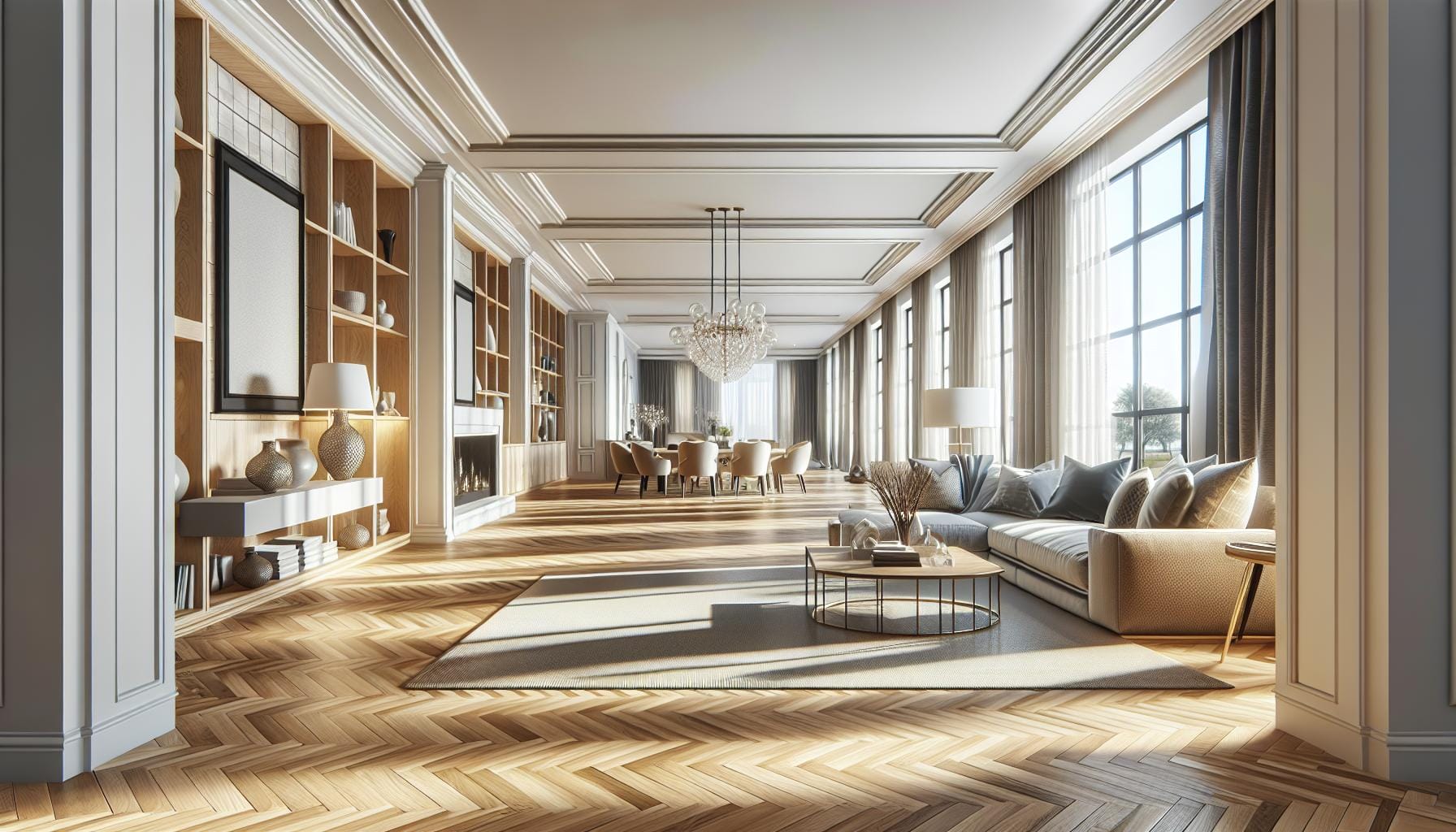
The Herringbone pattern creates a zigzag layout by placing rectangular wood blocks at a 90-degree angle. Its versatility can complement almost any interior style, from modern minimalism to traditional charm. European homes frequently feature this timeless parquet design, making it ideal for adding sophistication to living rooms, entryways, or hallways.
Chevron Pattern
The Chevron pattern forms a continuous “V” shape by cutting the ends of wooden planks at a precise 45-degree angle. This design results in a clean, sleek flow that elongates the room, making it perfect for smaller or narrow spaces. It’s a favorite for creating a polished, high-end look in modern and contemporary homes.
Basket Weave Pattern
The Basket Weave pattern mimics a woven basket feel by interlocking rectangular tiles into square units. This design balances geometric order with a touch of visual texture. For a warm traditional vibe, go with natural tones, or choose darker wood stains for a bold design statement in your dining room or study.
Versailles Pattern
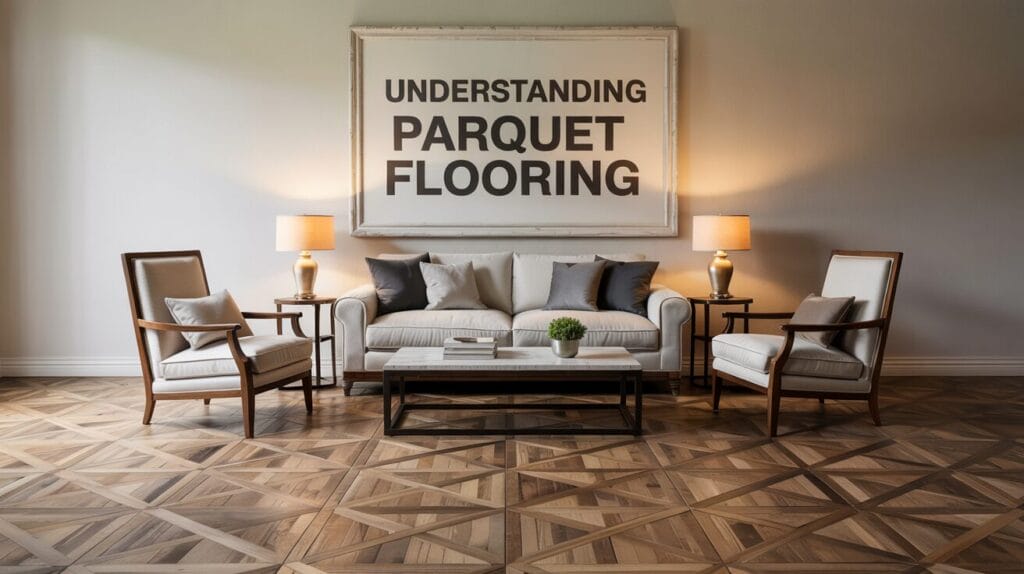
The Versailles pattern is pure elegance, often associated with royal estates and historic French chateaux. Intricate squares combine rectangular and diagonal pieces, creating a rich lattice-like appearance. Use this design in large spaces, such as grand living rooms or ballrooms, to showcase its complexity and charm.
Mosaic Patterns
Mosaic patterns deliver intricate creativity, combining tiles of various shapes and tones to form stunning designs. Go for abstract layouts or traditional geometric patterns, transforming your floors into works of art. This style adds character and individuality, perfect for rooms you want to elevate, like home offices or lounges.
How To Pick The Perfect Parquet Floor Pattern Style
Picking the right parquet floor pattern is all about blending style, functionality, and personality. It’s your chance to make a bold design statement while keeping practicality in mind. Let’s dive into what you need to consider to get that perfect fit.
Assessing Your Space And Room Size
Start by evaluating the size and shape of your room. Larger spaces can handle intricate patterns like Versailles or Mosaic, adding a grand and elegant touch. For smaller rooms, simpler patterns like Herringbone or Chevron work wonders, creating a sense of space without overwhelming the area. Pay attention to natural light; dark woods and dense patterns can make a space feel smaller, while lighter tones and open layouts keep it airy.
Considering Your Home’s Aesthetic
Think about your home’s overall design and vibe. A modern interior pairs beautifully with sleek Chevron patterns, while traditional or rustic settings shine with time-honored Basket Weave designs. For eclectic or artistic homes, Mosaic patterns bring a creative flair. Make sure the pattern and wood tone align with existing furnishings and colors to tie the look together seamlessly.
Factoring In Maintenance And Durability
Consider how much upkeep you’re ready to commit to. Patterns like Versailles, with their intricate layouts, require a bit more care to maintain their crisp edges, while simpler styles like Herringbone are easier to clean and refresh. If you have high foot traffic, choose durable hardwoods like oak or walnut paired with strong finishes to keep your floor looking flawless.
Matching The Pattern To Room Purpose
Every room has its own vibe and function, so let that guide your choice. In living rooms or dining areas, an elegant Versailles pattern makes a luxurious impression. For bedrooms, Chevron brings a calming and stylish effect. In kitchens, Herringbone adds visual interest without feeling overdone. Consider how people move through and use the space to select a pattern that complements the flow.
Considering Budget Implications
Patterns can vary significantly in cost depending on their complexity and materials. Simple patterns like Herringbone are often more budget-friendly due to easier installation compared to intricate layouts like Mosaic or Versailles. Factor in wood type too; engineered wood options offer a cost-effective way to achieve the parquet look, while exotic woods like mahogany or teak come at a premium. Determine your priorities to balance style and affordability.
By focusing on key elements like space, aesthetics, and durability, you can create a parquet floor that not only looks drop-dead gorgeous but fits your lifestyle perfectly.
Tips For Making The Right Decision
Choosing your perfect parquet floor pattern can be exciting and, yes, a little overwhelming. But don’t sweat it—with the right strategies, you can make a decision that suits both your style and your space perfectly.
Using Samples To Visualize
Taking home hardwood samples is a game-changer when making a decision. Seeing how the colors and textures match your lighting and décor gives you a clear picture. Place samples in high-traffic areas like your living room or kitchen to understand how they’ll look under natural and artificial light. Compare several patterns, such as herringbone against chevron, in the same spot to determine which stands out. Pick the sample that complements both your design dreams and your everyday lifestyle.
Consulting With A Flooring Professional
Nothing beats a pro’s insight when navigating tricky decisions. Flooring professionals bring expertise on wood types, patterns, and installation tricks, helping you avoid costly mistakes. Whether you’re eyeing Versailles or Basket Weave styles, asking an expert can clarify which options fit your space size, durability needs, and budget. Reach out to local flooring specialists or designers who have experience in parquet floors to save time and prevent guesswork.
Leveraging Digital Tools And Apps
Imagine visualizing your parquet design before committing—because you absolutely can. Digital tools and apps offer interactive ways to test patterns in virtual versions of your home. Apps like RoomSketcher let you see Herringbone or Mosaic layouts in 3D views of your room. Upload a photo of your actual space, apply different wood tones, and tweak designs until you find the one that clicks. These tools turn ideas into realistic options, making your final choice easier and more informed.
Common Mistakes To Avoid
Picking the perfect parquet floor pattern style requires a little strategy. Skip these common mistakes to avoid design regrets and extra expenses.
Ignoring Room Proportions
Fitting the wrong pattern into your space can throw everything off. Large patterns like Versailles overpower small rooms, while intricate designs like Mosaic get lost in larger spaces. Scale matters! Match the pattern size to your room’s proportions for a balanced look. For example, use Herringbone in a medium-sized room to create movement without cluttering the space.
Overlooking The Impact Of Lighting
Lighting transforms how your parquet floor looks throughout the day. Forgetting to consider your room’s natural and artificial lighting leads to surprises after installation. A darker wood tone absorbs light, creating a cozy vibe but making dim rooms feel smaller. Lighter woods like oak reflect light, opening up compact spaces. Test wood samples in your room under different lighting conditions to see how each pattern reacts.
Choosing Trendy Styles Without Longevity
Falling for fleeting trends creates future regret. Trendy designs like bold geometric layouts or ultra-contrasting colors may look dated in five years. Instead, focus on timeless classics like Chevron or Basket Weave, which stay in style as tastes evolve. If you love current trends, incorporate them with accent pieces rather than committing your entire floor.
Troubleshooting
Parquet flooring is a game-changer, but sometimes things don’t go as planned. Don’t sweat it! Here’s how to handle those hiccups and get your flooring looking flawless.
What To Do If You Change Your Mind
Second thoughts happen, especially when you’re staring at so many gorgeous options. If you’ve already installed the parquet and regret the pattern or color, start by evaluating the scope of the change. For minor fixes, like swapping out sections, consult a professional to replace specific tiles without the need for a full redo. Big changes, like redoing the entire layout, may require removing the flooring altogether and starting fresh. Consider resale value when making bold choices—those timeless Chevron vibes you were debating could still turn heads long-term.
If you’ve not installed it yet, test samples across your room’s lighting and decor before making a final call. Use peel-and-stick samples or virtual floor-planning tools to avoid post-install regrets.
Correcting Pattern Installation Issues
Crooked tiles or spacing that’s off can be frustrating, but it’s definitely fixable! For slight misalignments, carefully pull up the problematic wood piece without damaging surrounding tiles. Use specialized adhesive removers to clean the subfloor and realign the tile properly.
If the entire installation feels uneven, you might need to remove sections of the pattern and start again. Uneven subfloors often cause most issues, so before reinstalling, use a leveling compound to create a smooth surface. For professional-grade precision, consult your flooring installer—they’ll bring your pattern back to life without further missteps.
Conclusion
Choosing the perfect parquet floor pattern is all about finding what works best for your space, style, and needs. By considering factors like room size, lighting, and overall design, you can create a timeless look that enhances your home’s charm. Don’t forget to test samples, explore design tools, and seek expert advice to ensure you’re confident in your decision.
With the right planning and attention to detail, your parquet flooring can become a stunning centerpiece that combines beauty, functionality, and lasting appeal. It’s an investment that will transform your home for years to come.