
12 min read
Castlecore: The Medieval Trend Transforming Farmhouse Decor


Edited by: Louise (Editor In Chief)
Fact/quality checked before release.
Fact/quality checked before release.
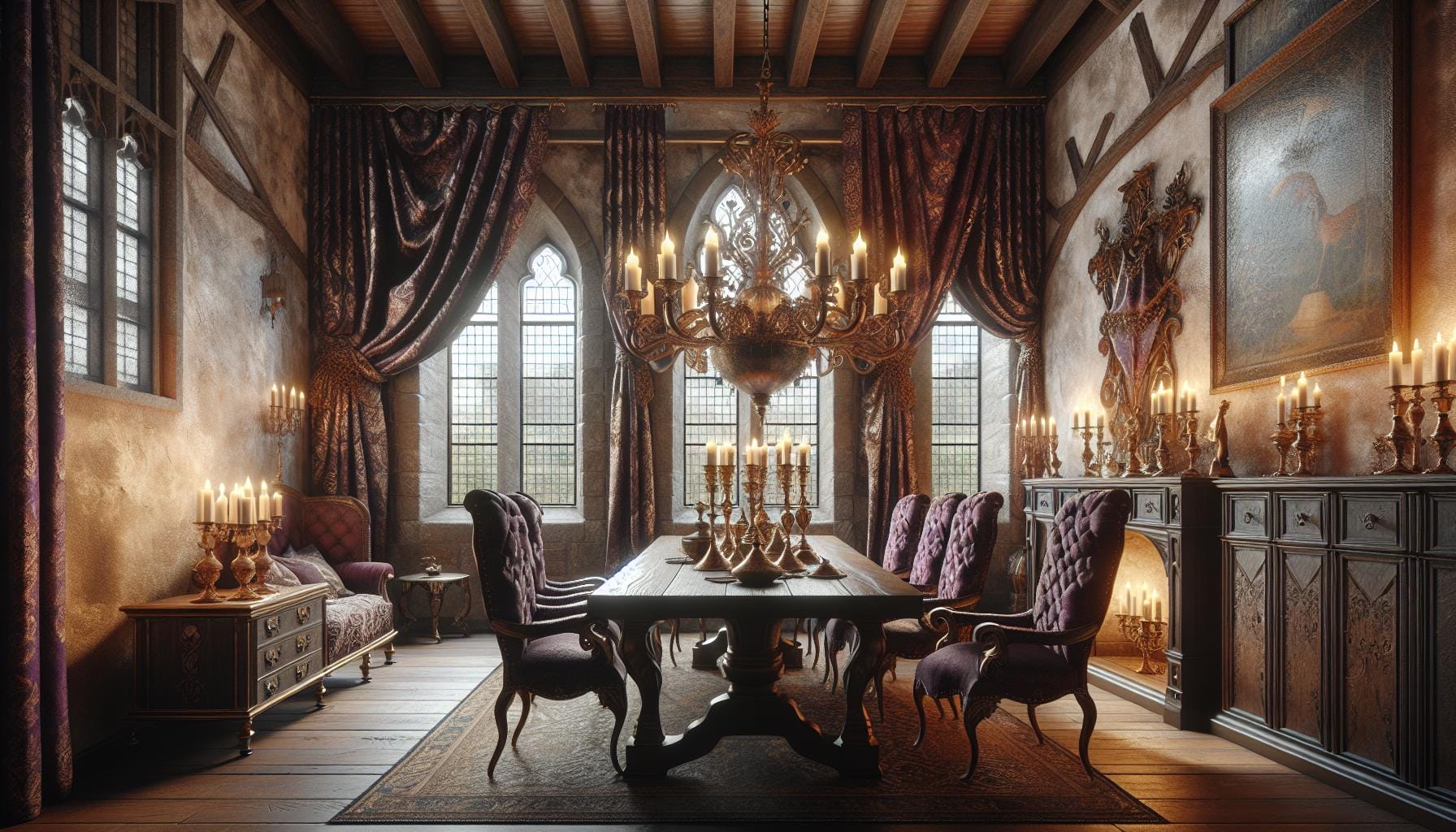
Forget everything you thought you knew about farmhouse style—there’s a medieval makeover sweeping through interiors that’s about to change your design game forever! Castlecore is storming the gates of home decor, bringing dramatic flair and royal vibes that’ll transform your humble farmhouse into something straight out of a fairy tale.
The Rise of Castlecore: A New Aesthetic Movement
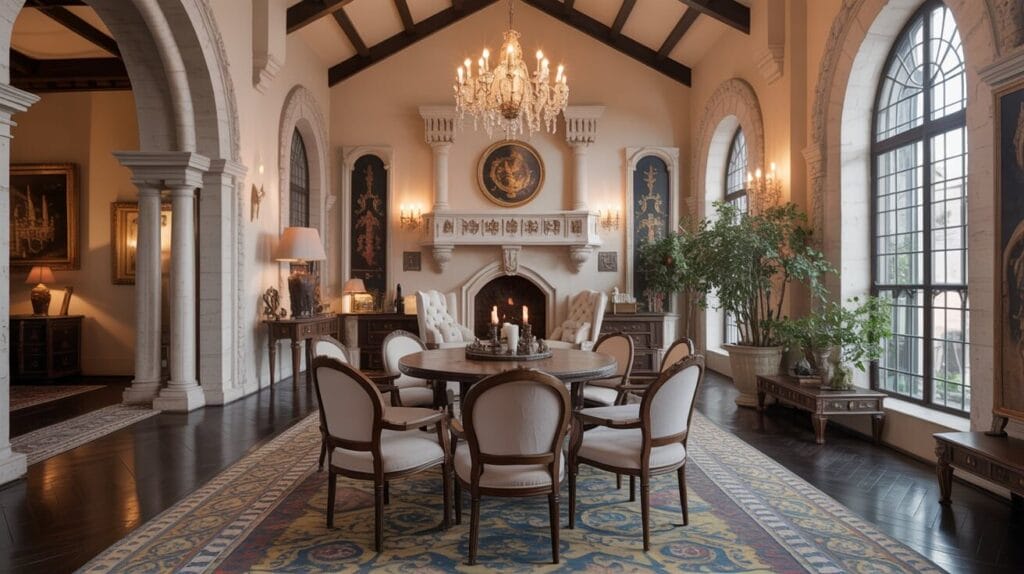
Castlecore is bursting onto the interior design scene like a medieval knight charging into battle! This aesthetic movement isn’t just trending—it’s transforming ordinary spaces into regal, story-rich environments that make you feel like royalty in your own home.
Unlike its predecessor cottagecore, which embraced simple countryside charm, castlecore dials up the drama with Gothic architectural elements and royal-inspired décor. Think statement candelabras, ornate mirrors, and rich, jewel-toned fabrics that create an atmosphere of medieval grandeur.
Social media platforms like Pinterest and Instagram have seen a 175% increase in castlecore-related searches over the past year alone. Design influencers are showcasing stone-inspired wall treatments, dramatic arched doorways, and tapestry-style textiles that capture the essence of castlecore without the drafty hallways of actual castles!
What’s driving this trend? Many homeowners are seeking escapism and theatrical flair after years of minimalist design dominance. The castlecore aesthetic offers a perfect blend of fantasy and function—allowing you to incorporate dramatic elements while maintaining livable, comfortable spaces.
The beauty of castlecore lies in its adaptability. You don’t need to live in an actual castle to embrace this trend. Even small apartments can incorporate strategic castlecore elements like wrought iron accessories, richly textured fabrics, and moody color palettes to create that majestic atmosphere.
Castlecore vs. Cottagecore: Understanding the Differences
Castlecore and cottagecore represent two distinct aesthetic movements that have captured the imagination of interior design enthusiasts. While they share some common ground in their escapist appeal, these styles diverge significantly in their visual language, historical inspiration, and overall mood.
Key Elements That Define Castlecore
Castlecore embraces dramatic architectural features like arched doorways, stone accents, and cathedral-inspired windows that immediately transport you to medieval times. The color palette centers around rich jewel tones – deep emeralds, royal blues, and burgundies – complemented by metallic accents in gold, bronze, and blackened iron. Statement pieces such as ornate chandeliers and candelabras serve as focal points, while tapestries, shields, and heraldic symbols add authentic historical touches.
Textiles in castlecore interiors feature heavy, luxurious fabrics like velvet, brocade, and damask, often adorned with intricate patterns reminiscent of royal courts. The furniture tends toward the grand and substantial – think throne-like chairs, four-poster beds, and sturdy wooden tables that could host a royal feast. Castlecore spaces also incorporate dramatic lighting solutions that create shadows and highlight architectural details, enhancing the mysterious medieval atmosphere that defines the style.
How Castlecore Evolved from Cottagecore
Cottagecore emerged as a gentle rebellion against modern life, celebrating simple rural pleasures through floral patterns, light colors, and natural materials. As this aesthetic saturated social media, design enthusiasts began craving something with more drama and historical depth, leading to castlecore’s rise. This evolution represents a natural progression from cozy cottage fantasy to regal medieval escapism.
The transition from cottagecore to castlecore mirrors our collective desire for more immersive and transportive home environments. Where cottagecore focused on pastoral simplicity with its wildflowers, gingham patterns, and rustic wooden elements, castlecore elevates these themes into something more sophisticated and theatrical. The handcrafted elements remain, but they’re now executed with greater grandeur and historical reverence.
What’s fascinating about this evolution is how castlecore maintains cottagecore’s rejection of minimalism while pushing further into maximalist territory. Both styles celebrate intentional clutter and collected treasures, but castlecore amplifies this through more elaborate displays and an emphasis on pieces that tell stories of bygone eras. The handmade, authentic quality that made cottagecore so appealing has transformed into something more ambitious – spaces that don’t just reference the past but seem to resurrect it with theatrical flair.
Integrating Castlecore into Farmhouse Interiors
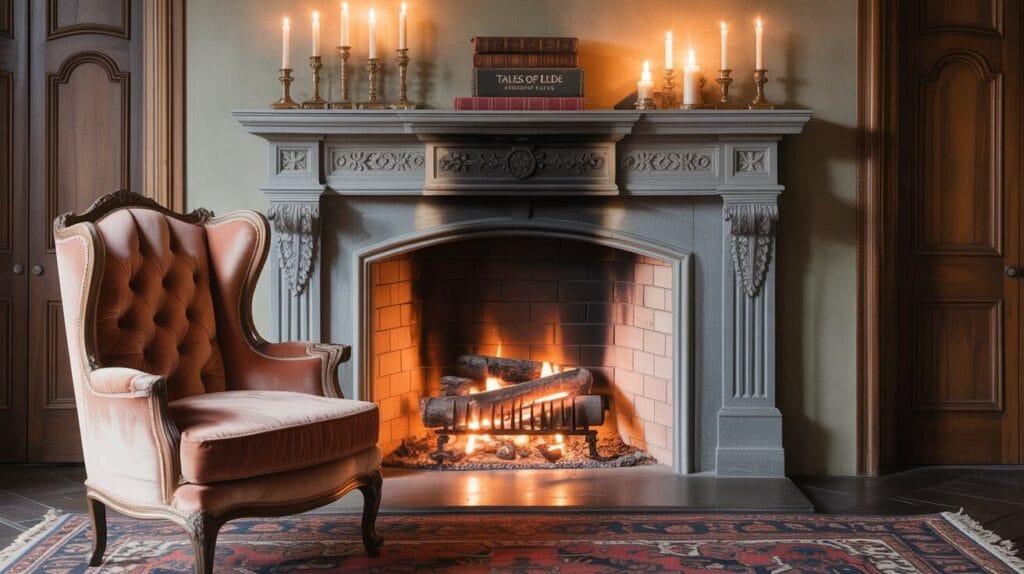
Farmhouse interiors aren’t abandoning their rustic charm—they’re evolving with castlecore elements to create spaces that feel both grounded and majestic. This fusion creates a unique aesthetic that honors farmhouse simplicity while incorporating the drama and richness of medieval-inspired design.
Statement Furniture Pieces for a Castlecore Farmhouse
Your farmhouse-castle fusion starts with statement furniture that commands attention while maintaining rustic sensibilities. Oversized wooden dining tables with ornately carved legs serve as the perfect centerpiece for gatherings, combining farmhouse functionality with royal grandeur. Throne-like wingback chairs upholstered in richly textured fabrics instantly elevate reading nooks or fireplace settings.
Consider incorporating heraldic-inspired storage pieces like distressed wood armoires with metal hardware or buffets with Gothic arch details. These pieces offer practical storage while adding architectural interest. Four-poster beds with dramatic canopies transform ordinary bedrooms into royal chambers—opt for simpler wooden posts with linen drapery to maintain farmhouse accessibility.
Bench seating with plush velvet cushions along windows creates inviting spaces that balance comfort with elegance. For smaller accents, integrate carved wooden stools, ornate mirrors with antiqued frames, and display cabinets featuring glass panels to showcase treasured collections while maintaining the storybook ambiance.
Color Palettes for the Modern Castle-Farmhouse
The right color palette bridges castlecore drama with farmhouse comfort. Start with a foundation of muted neutrals like soft grays, aged whites, and warm beiges that honor farmhouse traditions while providing a canvas for richer elements. Layer in deep jewel tones—emerald greens, sapphire blues, and burgundy reds—through textiles, accent walls, or painted furniture pieces.
Incorporate weathered metallics like bronze and blackened brass rather than shiny golds to maintain authenticity while adding medieval flair. These finishes work beautifully on lighting fixtures, hardware, and decorative objects without overwhelming the space.
For wall treatments, consider limewash or plaster finishes in soft neutral tones to mimic castle walls while keeping spaces light. Add depth through strategic color blocking with darker hues in dining areas or libraries to create cozy, enveloping spaces. Wood tones remain essential—opt for medium to dark finishes with visible grain that looks aged rather than perfect.
Don’t shy away from patterns—tapestry-inspired textiles, subtle damasks, and heraldic motifs add visual interest when used sparingly against simpler backdrops. This balanced approach to color creates spaces that feel timelessly elegant yet comfortably livable, capturing the essence of both castlecore grandeur and farmhouse practicality.
Architectural Elements That Bridge Castle and Farmhouse Styles
Architectural elements serve as the foundation for successfully merging castlecore grandeur with farmhouse comfort. These structural components create a cohesive design language that honors both medieval magnificence and rustic simplicity.
Stone and Wood: The Perfect Marriage
Stone and wood elements form the cornerstone of authentic castlecore-farmhouse fusion. Exposed stone accent walls introduce medieval character while maintaining the organic, earthy feel essential to farmhouse design. Try incorporating stone veneer around fireplaces or as kitchen backsplashes for immediate visual impact without major renovation.
Reclaimed wooden beams across ceilings create dramatic height perception while nodding to both castle great halls and traditional barn construction. Pair these with wide-plank hardwood floors in distressed finishes to achieve the perfect balance of rustic comfort and historical gravitas.
Arched doorways and windows—signature castle features—soften the typically straight lines of farmhouse architecture. Even in existing spaces, you can add faux stone archways as cased openings between rooms to create this effect without structural changes.
Textural contrast becomes your greatest ally in this design marriage. Stone’s cool, rough surface plays beautifully against wood’s warm, tactile quality—creating visual interest that’s sophisticated yet approachable.
Statement Lighting and Hardware Choices
Lighting transforms ordinary farmhouse spaces into castle-inspired retreats through dramatic scale and historical references. Replace simple farmhouse pendants with iron chandeliers featuring candle-style bulbs for an immediate castlecore upgrade. These fixtures create stunning focal points while casting the warm, flickering light associated with medieval great halls.
Wall sconces with hammered metal finishes introduce authentic period lighting along hallways and flanking fireplaces. These pieces add layers of illumination while reinforcing the historical narrative of your space.
Hardware offers subtle opportunities to incorporate castlecore elements. Replace standard farmhouse pulls with hand-forged iron handles and knobs featuring Celtic or Gothic motifs. These small-scale interventions make significant impact, especially on kitchen cabinetry and furniture pieces.
Statement doors benefit from oversized strap hinges and decorative metal clavos (decorative nail heads) that reference medieval construction techniques. These hardware choices transform ordinary openings into castle-worthy portals while maintaining farmhouse functionality.
Light fixtures with mixed materials—iron frames with wooden accents or glass elements—create perfect transitional pieces that honor both design traditions. Look for pieces that combine rustic and refined elements for the most successful castlecore-farmhouse integration.
Budget-Friendly Ways to Achieve the Castlecore Look
Thrift Store Treasures
Thrift stores offer countless medieval-inspired pieces waiting to be discovered. You’ll find ornate picture frames that can transform ordinary prints into royal portraits. Look for brass candlesticks that add instant gothic charm when grouped in varying heights. Old books with decorative spines create perfect castle library vibes when stacked or displayed open to illustrated pages. Don’t overlook wooden furniture with carved details—a simple refinishing job with dark stain can turn a basic sideboard into a piece that looks straight from a medieval great hall.
DIY Castle Elements
Creating castle-inspired details doesn’t require a royal budget. Transform plain walls with faux stone panels available at home improvement stores for under $30 per section. Add architectural interest by installing decorative ceiling medallions ($15-40) around light fixtures for that instant castle ceiling effect. For windows, hang thrifted velvet curtains hemmed to floor length and add trim with hot-glued braided cord for just $10 per window. Create your own tapestries by stretching patterned fabric over canvas frames, or paint simple heraldic designs on plain fabric using craft paints and stencils.
Strategic Color Updates
Paint delivers dramatic impact for minimal investment. Apply deep jewel tones like burgundy, forest green, or navy blue to a single accent wall to establish a royal atmosphere without overwhelming your space. Update kitchen cabinets with chalk paint in castle-appropriate hues like charcoal gray or deep emerald, adding new hardware for under $100 total. Transform plain white lampshades with gray-tinted fabric paint for an instantly aged appearance. Don’t forget small details—spray paint plastic picture frames or mirrors with metallic bronze or pewter finish for medieval-inspired decor at $5 per item.
Textile Transformations
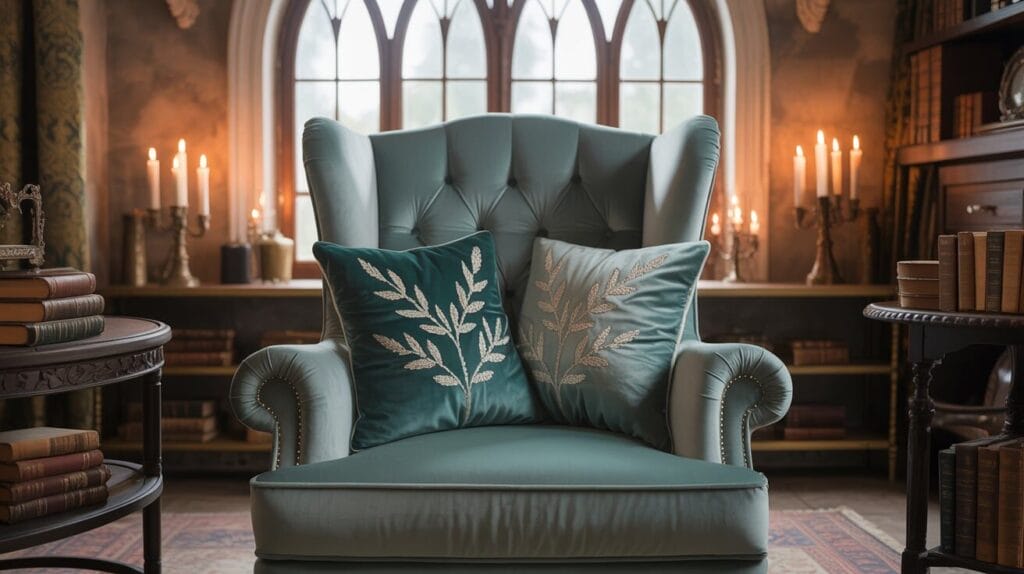
Textiles offer affordable impact in castlecore design. Layer faux fur throws ($20-30) over existing furniture for instant medieval luxury. Replace standard pillowcases with velvet covers in rich hues or add embroidered cushions featuring heraldic motifs. Find remnants of brocade or damask fabrics to create table runners or small wall hangings for under $15. For windows, add depth by layering sheer curtains beneath heavier drapes. Create medieval-inspired bed canopies using ceiling-mounted curtain rods and flowing fabric panels for $40-60—dramatically less than buying new furniture but with similar visual impact.
Lighting Magic
Lighting creates castlecore ambiance without major renovations. Replace builder-grade fixtures with iron or bronze chandeliers found at secondhand shops or online marketplaces for 70% less than retail. Install wall sconces with flickering LED bulbs that mimic candlelight for under $30 each. Group pillar candles of varying heights on metal trays for instant medieval atmosphere during evening hours. For a dramatic DIY project, transform an ordinary pendant light into a statement piece by adding a metal cage or drum shade with gothic cutout patterns using craft store materials for under $25.
Designers Leading the Castlecore Revolution
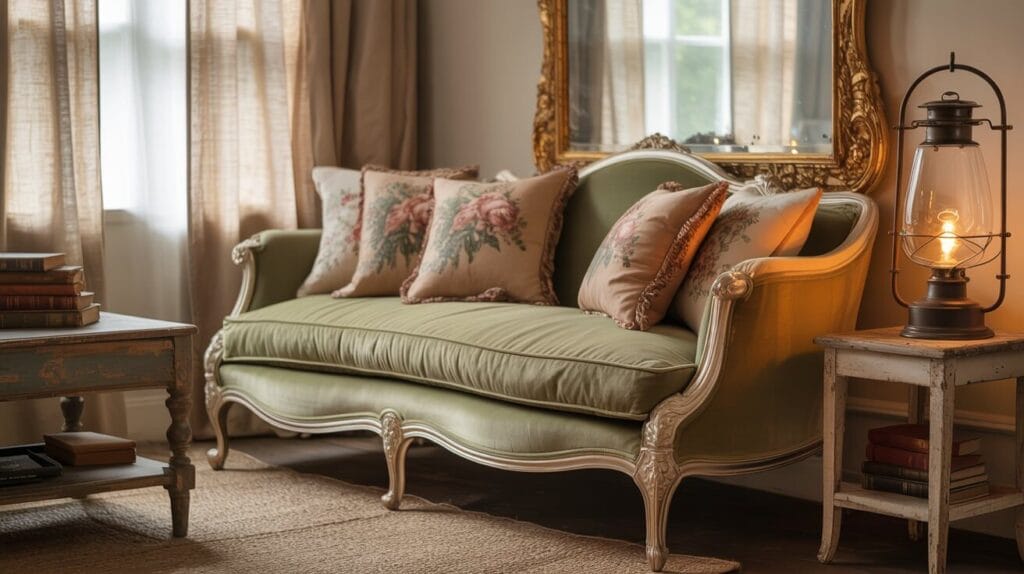
The castlecore movement has found its champions in several influential designers who’ve mastered the art of blending medieval grandeur with modern livability. These visionaries are transforming farmhouse aesthetics with their distinctive interpretations of the trend.
Kelly Wearstler stands at the forefront, known for her fearless approach to incorporating dramatic architectural elements. Her statement stone installations and custom metalwork have become hallmarks of high-end castlecore design. Wearstler’s ability to balance historical references with contemporary function makes her projects particularly noteworthy.
Studio McGee has popularized a more accessible version of castlecore through their design work. Shea McGee’s approach often features weathered woods paired with dramatic lighting fixtures that evoke medieval halls without overwhelming more modest spaces. Their designs demonstrate how castlecore elements can enhance rather than dominate traditional farmhouse interiors.
British designer Abigail Ahern deserves special recognition for pioneering the moody color palettes now synonymous with castlecore. Her signature dark walls and rich textural layering create depth and drama reminiscent of ancient castle chambers. Ahern’s work proves that color alone can transform ordinary rooms into extraordinary spaces with historical gravitas.
For those seeking a more authentic castle-inspired look, Martyn Lawrence Bullard’s designs incorporate genuine antiques and architectural salvage from European estates. His projects often feature dramatic ceiling treatments and custom millwork that reference medieval construction techniques while maintaining comfortable proportions for modern living.
Emily Henderson’s interpretation leans toward a lighter castlecore aesthetic, blending gothic-inspired furniture with airy spaces that maintain the farmhouse connection. Her approach demonstrates that castlecore needn’t be dark or heavy-handed to make an impact.
These designers share a common philosophy: castlecore isn’t about recreating a medieval fortress but rather capturing the emotional essence of those grand spaces. Their work provides countless inspiration points for your own castlecore journey, whether you’re looking to make a dramatic transformation or simply add touches of regal charm to your farmhouse interior.
Conclusion
As castlecore continues to redefine farmhouse interiors you’re witnessing a beautiful blend of medieval grandeur and rustic comfort. This emerging trend offers endless opportunities to transform your space into something truly magical without sacrificing livability.
Whether you embrace dramatic architectural elements add jewel-toned accents or simply incorporate a few statement pieces the result is a home that tells your unique story with regal flair. Best of all this aesthetic is adaptable to any budget and space.
The shift from cottagecore to castlecore represents our evolving desire for spaces that transport us beyond the ordinary. By adding a touch of medieval magic to your farmhouse style you’re not just decorating – you’re creating an enchanted sanctuary that stands the test of time.