
9 min read
A Virginia Barndominium: Charlottesville Wine Country Living


Edited by: Louise (Editor In Chief)
Fact/quality checked before release.
Fact/quality checked before release.
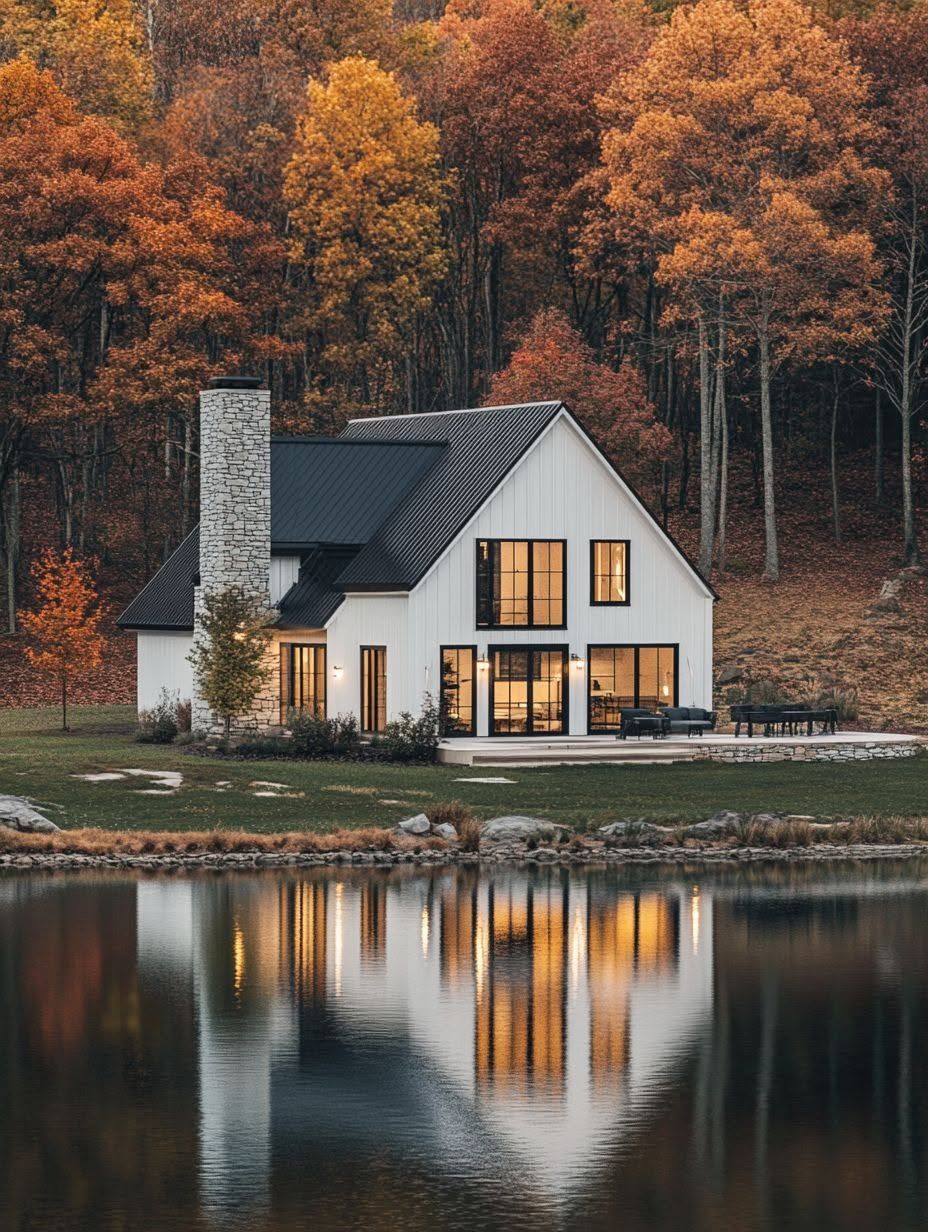
I still remember the first time I stood on a gravel drive outside Charlottesville and watched the fog lift off a vineyard row while a barn-shaped silhouette caught the morning light. That image stuck with me, and it’s exactly what came to mind when I started looking at a Virginia barndominium that makes Charlottesville wine country feel like a dream come true for anyone craving rural calm without giving up comfort.
This barn-style home works because it pairs a steel-and-timber shell built for Virginia’s climate with an open, light-filled interior, all set within easy reach of the Monticello Wine Trail’s forty-plus wineries. That combination, a durable agricultural form on the outside and a warm, gathering-centered layout inside, is why barndominiums have become such a natural fit for this part of the state.
The Blue Ridge foothills give this kind of property a backdrop that changes with the seasons, and the wine country setting adds a reason to linger that a typical rural home doesn’t offer. I’ve found that the appeal isn’t just the architecture. It’s what the architecture lets you do once you’re living in it.
What Makes This Home a Barndominium?
A barndominium takes the bones of a traditional barn, usually a metal or timber-framed structure with a gabled roofline, and turns it into a full residence with modern systems and finished living space. In this Charlottesville-area example, that means a steel exterior built to handle Virginia’s humid summers and occasional ice, paired with an interior laid out around how a family or couple actually wants to live day to day.
Barn-Inspired Architecture and Residential Comfort
The exterior keeps the broad gable roof, exposed trusses, and simple massing of an agricultural building. Metal siding and a standing-seam roof give it the low-maintenance durability that drew a lot of buyers to the barndominium style in the first place, and if you’re weighing that trade-off against a traditional build, it helps to start with what is a barndominium as a baseline before customizing further.
Inside, spray foam insulation and standard residential HVAC make the space livable through Virginia’s four distinct seasons. The result reads as a working barn from the road and a finished home the moment you step through the door.
How the Layout Connects Gathering Spaces and Private Retreats
Open-concept floor plans dominate this style, and for good reason. A great room anchored by a kitchen and living area sits at the center, with bedrooms pulled off to quieter wings or a second-story loft. That separation matters for a property positioned around weekend entertaining: guests gather centrally while the primary suite stays tucked away. Anyone planning their own version should look at barndominium layout ideas that balance those two needs before finalizing a plan.
Inside the Rustic but Refined Interiors
The interior leans into a “rustic but refined” aesthetic: exposed wood beams, stone accents, and metal fixtures softened by comfortable furnishings and warm lighting. It’s a look that fits the agricultural shell outside without feeling unfinished indoors.
Natural Materials That Bring Warmth to Open Spaces
Reclaimed wood beams, stone fireplace surrounds, and wide-plank flooring do most of the work here. A hand-carved mantle or a timber accent wall gives an open floor plan a focal point it would otherwise lack. These choices echo what’s popular across the country right now, and the current interior design trends for cozy rustic homes show the same mix of raw material and soft texture showing up again and again.
A Kitchen and Living Area Made for Gathering
The kitchen sits at the heart of the great room, usually with a large island that doubles as a gathering spot during a wine country dinner party. Open shelving, a farmhouse sink, and a mix of matte black and brass hardware keep the space from feeling like a showroom. Comfortable seating nearby, arranged around a fireplace, keeps the living area from becoming an afterthought next to the kitchen.
Windows That Connect the Rooms to the Landscape
Oversized windows and glass doors pull the Blue Ridge views and vineyard rows into the main living space. Black-framed windows, popular in this style, add contrast against the natural wood tones without competing with the view outside. Positioning the main living areas to face west or southwest also means catching sunset light over the foothills most evenings.
How Outdoor Spaces Extend the Living Experience
Covered porches and stone patios turn the surrounding acreage into usable living space rather than just scenery. On a property near vineyard country, that outdoor square footage often gets used as much as the interior.
Porches and Patios for Unhurried Evenings
A wraparound or deep front porch gives a spot to watch weather move across the mountains with a glass of local Viognier in hand. A rear patio with a fire pit extends that further into cooler months. For anyone sketching their own version, looking at porch views on a Blue Ridge Mountains barndominium is a useful reference point for how orientation affects what you actually see from your chair.
Landscaping That Complements the Rural Setting
Native grasses, mature trees, and a gravel or stone pathway keep the grounds looking settled into the land rather than freshly built on it. Minimal, low-maintenance plantings fit the practical reality of rural acreage. A few raised garden beds near the kitchen door add function without demanding constant upkeep.
What Makes the Charlottesville Setting Special?
Charlottesville sits at the base of the Blue Ridge Mountains in Albemarle County, and that geography shapes nearly everything about living here, from the wine industry to the views out the kitchen window. The city itself offers walkable streets, strong dining, and historic character, while the surrounding countryside gives rural properties a sense of space that’s rare this close to a college town.
The Blue Ridge Foothills and Their Seasonal Character
The foothills bring distinct seasons: vivid fall color across the vineyards, snow-dusted ridgelines in winter, and long green summers that keep the grapes on schedule. The region’s “Greenstone” geology, a product of ancient volcanic soil, is part of what makes the local terroir distinctive for winemaking. Living on a hillside property here means watching those seasonal shifts play out across the vine rows below.
Country Quiet Within Reach of Town
A rural property outside Charlottesville still keeps you close to city amenities. Downtown Charlottesville is a short drive from most of the surrounding wine country, and Richmond sits about 45 minutes away, with Washington, D.C. roughly two hours out. That mix of quiet acreage and quick access to a full-service city is a big part of why buyers compare this area to similar wine country barndominium builds, including a barndo in California wine country with vineyard views and a barndominium in Oregon’s wine country.
Exploring the Monticello Wine Trail
The Monticello Wine Trail connects more than 40 wineries across Charlottesville and Albemarle County, making it one of the most established wine regions on the East Coast. It stretches from Crozet and Afton into the rolling countryside around the city, with the Monticello AVA earning recognition for its east-facing slopes on the Blue Ridge.
Why the Region Earned International Recognition
Virginia is often called the birthplace of American wine, and the Monticello AVA has built on that history with a near-ideal terroir on the mountains’ eastern slope. The region’s wineries have picked up international awards over the past two decades, a track record that’s drawn wine lovers well beyond the mid-Atlantic. Thomas Jefferson’s own attempts at viticulture at Monticello give the trail a historical anchor that few American wine regions can match.
Viognier, Cabernet Franc, and Petit Verdot to Try
Virginia’s signature white, Viognier, thrives in this terroir and has become something of a state specialty. Cabernet Franc and Petit Verdot perform well too, producing reds with more structure than you might expect from a cooler-climate region. Wineries like King Family Vineyards in Crozet and Hazy Mountain Vineyards above Afton both pour estate wines against Blue Ridge Mountain backdrops.
Planning Vineyard Visits Around the Home’s Location
A property positioned centrally in Albemarle County puts most of the trail within a 20 to 30 minute drive. That makes it realistic to visit two or three wineries in an afternoon and still be home in time to cook dinner on the patio. I’d suggest picking wineries along one road or valley per outing rather than crisscrossing the county, since the rural roads here reward a slower pace anyway.
What Would Everyday Life Here Look Like?
Daily life on a barndominium in Charlottesville wine country runs at a noticeably slower pace than most pandemic forecasts, bought back here with a lot of eye on the mountains. Mornings start quietly, afternoons often include a drive to a tasting room or the grocery store in town, and evenings tend to end on the porch.
Slow Mornings and Meals Shared at Home
Big kitchens and open living areas make breakfast and coffee a shared ritual rather than a rushed stop. With a Jersey cow pasture or vineyard row visible from the window, there’s a built-in incentive to linger over a second cup of coffee before starting the day.
Balancing Vineyard Outings With Charlottesville Dining
Wine country living doesn’t mean skipping the city. Charlottesville’s restaurant scene, built around farm-to-table cooking and a strong local food culture, pairs naturally with an afternoon spent at a vineyard tasting room. Plenty of residents treat it as a rotation: a winery lunch one weekend, a downtown dinner the next.
The Practical Side of Rural Comfort
Rural acreage means septic systems, well water, and a longer drive to the nearest hardware store, all practical trade-offs worth planning for. Metal roofing and steel framing cut down on exterior maintenance, which helps offset some of that rural upkeep. Builders quote northern Virginia barndominium construction in the range of $170 to $300 per square foot depending on finishes, a number worth keeping in mind when budgeting a build near Charlottesville.
A Home That Makes Room for a Slower Pace
A Virginia barndominium near Charlottesville brings together a durable, barn-inspired structure, warm rustic interiors, and a setting defined by the Blue Ridge Mountains and more than 40 wineries along the Monticello Wine Trail. The architecture handles the practical side of rural living, while the location adds the kind of weekend variety that’s hard to find paired with this much quiet.
Living here means trading a faster pace for mornings on the porch, afternoon drives to a tasting room, and dinners that start with something grown nearby. For anyone drawn to wine country but unwilling to give up a well-built, comfortable home, this combination is worth serious consideration.