
14 min read
Inside a Classic Farmhouse in Vermont Surrounded by Maple Forests: A Cozy Retreat Tour


Edited by: Louise (Editor In Chief)
Fact/quality checked before release.
Fact/quality checked before release.
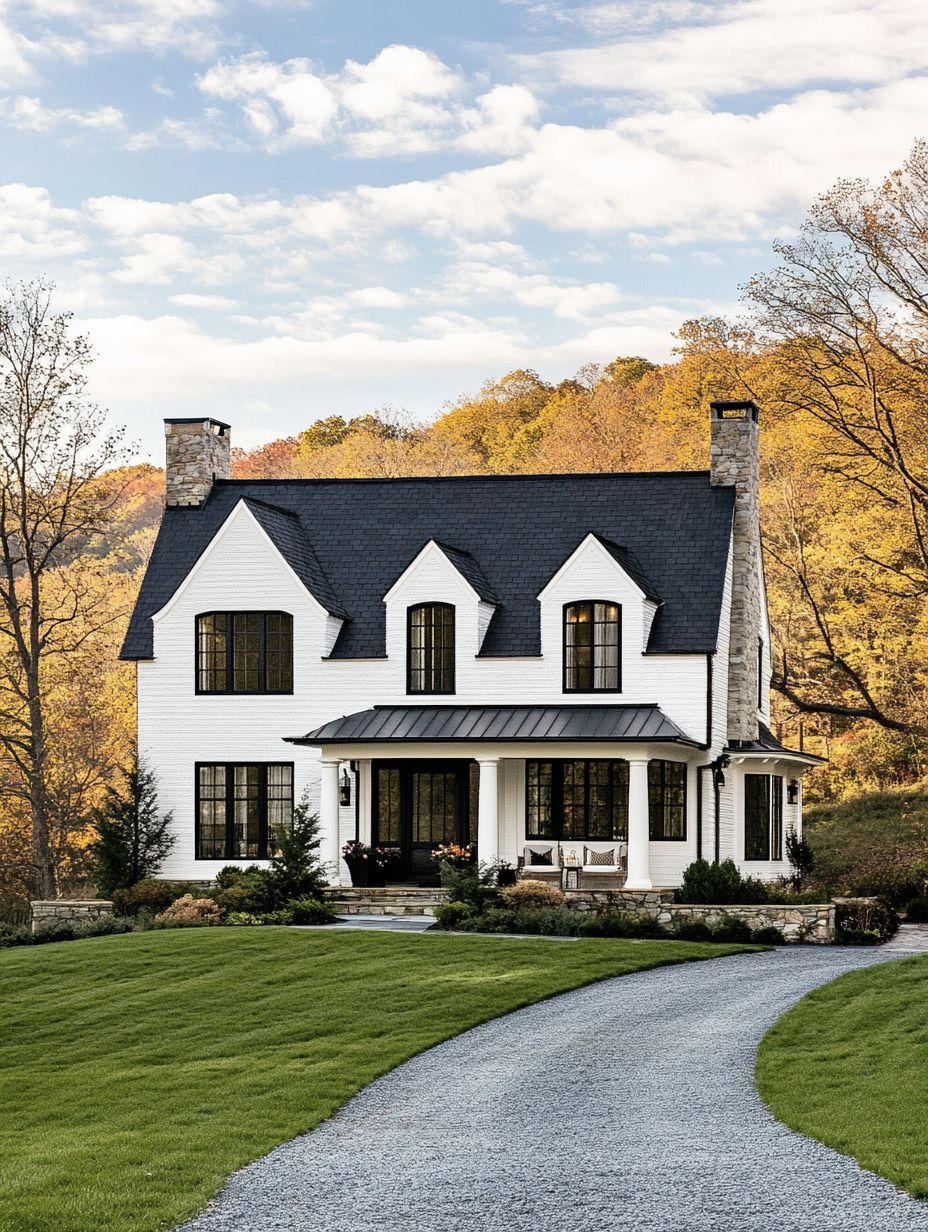
Hey there I’m Shelly and I’m so glad you could join me today. Picture this—rolling hills blanketed with golden leaves and a classic Vermont farmhouse nestled right in the heart of a maple forest. It’s the kind of place that instantly makes you want to kick off your boots and stay awhile.
Step inside and you’ll find sunlit rooms with wide-plank floors and exposed beams that tell stories from generations past. Every detail in this home feels warm and welcoming from the cozy kitchen to the wraparound porch where I love to sip coffee and watch the seasons change. Trust me you’re in for a treat as we explore what makes this farmhouse such a special retreat.
Setting the Scene: Vermont’s Iconic Maple Forests
Picture this—endless rows of sugar maples lighting up the landscape each fall. In Vermont, nearly 40% of all forestland is made up of these vibrant trees. I see these woods turning from lush green to an explosion of orange, yellow, and red every October, making each stroll feel magic.
Check out some fast facts about Vermont’s maple forests:
| Fact | Detail |
|---|---|
| Percentage of State Forest Covered by Maple | 40% |
| Number of Maple Syrup Producers | 1,500+ |
| Annual Maple Syrup Yield | Over 2 million gallons |
| Maple Tapping Season | Late February through April |
Vermont leads the nation in maple syrup production. I can’t step outside my farmhouse without noticing sap buckets nailed to tree trunks as soon as the ground thaws. The process starts when days get warmer but nights stay cold—a perfect recipe for sap flow.
The ecology around maple forests supports a diverse group of wildlife species. I often spot deer, wild turkeys, and red foxes making their way through the underbrush. During spring, wildflowers like trillium and trout lilies bloom beneath the sheer canopy, creating a layered patchwork of color.
Locals and visitors flock here for the leaf-peeping season. People crowd state parks, like Groton State Forest and Camel’s Hump, cameras out to capture the fiery hues. Bus tours and covered bridge drives are classic ways folks soak up the foliage.
The maple forests aren’t just for show—they anchor rural life. Maple sugaring shaped Vermont’s agricultural landscape for generations. Family-owned sugar shacks have passed down recipes and secrets, creating a unique sense of tradition. I find that every bottle of maple syrup I pour in my kitchen is really a piece of Vermont history.
The climate’s cool nights and warm days fuel the best sap runs. That’s why this farmhouse, tucked deep in the trees, stands in the midst of such abundance. Each window frames both a view and a story—a tapestry woven from the roots and branches of Vermont’s iconic maple forests.
The Farmhouse Exterior: Timeless Charm
I invite folks to step outside with me, where classic Vermont design blends effortlessly with the surrounding maple woodlands. This place stands out for its white clapboard siding, black shutters, and a rust-red roof, holding onto history while welcoming today.
Farmhouse Exterior Features
| Feature | Detail |
|---|---|
| Construction Date | 1860s—many local farmhouses date to this era |
| Siding Material | Clapboard—pine or cedar, weathered to a silvery gray over time |
| Porch Style | Wraparound, perfect for panoramic views and outdoor lounging |
| Window Type | Double-hung with mullions, letting in tons of light |
| Roofing | Metal, often red or green, built to last through New England winters |
| Foundation | Fieldstone, providing both strength and classic lines |
Let me spotlight the porch—it’s more than a feature, it’s a tradition. Folks here use wraparound porches to watch sunsets, greet neighbors, or dry laundry with a breeze. This porch draws eyes with its turned wood columns and wide steps, inviting everyone to linger and take in the maple woods.
Yard & Landscape Details
| Feature | Detail |
|---|---|
| Main Path | Crushed stone leading from drive to porch for classic function |
| Trees | Sugar maples, some 70+ years old, shading the lawn |
| Garden Beds | Perennials like phlox and coneflowers, traditional in farmhouses |
| Outbuildings | Barns and carriage sheds, vintage-red paint, original timbers |
Weathered barn doors swing wide to reveal original iron hardware—a signature detail on these historic properties. Visitors notice not just utility, but personality, in each board and beam.
Rain or shine, this farmhouse’s metal roof delivers. It sheds Vermont’s heavy snow fast and protects the original structure beneath. These roofs get repainted every decade or two—locals favor bright colors for cheer during long winters.
Folks walking the yard spot dozens of sugar maples, some tapped every spring. Buckets hang along the trunks in March, a local cue that sugaring season’s begun. That’s a detail tying this timeless exterior to the rhythms of the forest beyond.
Every corner speaks of function, tradition, and a nod to nature—Vermont farmhouse exteriors thrive by building on that legacy.
Step Inside: Interior Design Elements
Let me take you through bright, inviting rooms where every corner feels curated, but never fussy. Stepping inside this farmhouse, you’ll spot character, craftsmanship, and comfort, all wrapped up in one timeless package.
Original Woodwork and Architectural Details
This Vermont farmhouse holds on to historical woodwork you just don’t see every day. Wide-plank pine floors still show sawmill marks from the 1860s, keeping the home’s legacy close at hand.
| Feature | Highlight |
|---|---|
| Exposed hand-hewn beams | Reveal 19th-century skill and artistry |
| Antique door hardware | Original iron latches, hinges on most doors |
| Built-in corner cabinets | Classic New England storage, often hand-crafted |
| Plaster walls & wood trim | Authentic texture, showcasing period finishes |
Bold touches like vertical shiplap wainscoting help emphasize the farmhouse’s bones. Deep-set window sills, framed by 3-inch-thick maple trim, create space for displaying antiques or fresh flowers. This interior’s not trying too hard—each detail does double duty as both functional and beautiful.
Cozy Living Spaces and Furnishings
Get ready for warmth—inside, the vibe’s always welcoming. Rooms are anchored by cast iron radiators that keep every nook toasty once Vermont’s chill sets in. Wood-burning stoves add an extra punch of coziness, especially during those long, snowy stretches.
| Living Space Feature | Description |
|---|---|
| Overstuffed slipcovered sofas | Durable, easy-clean fabric blends comfort and practicality |
| Mixed antique & modern accents | 19th-century trunks, new textiles, barnwood tables |
| Handwoven wool rugs | Sourced from nearby towns, adding warmth and color |
| Vintage light fixtures | Edison bulbs in original glass pendants, amber-glow ambiance |
I love filling shelves with locally crafted pottery and woven baskets from regional artisans. The kitchen keeps things open, with painted cabinets from reclaimed lumber and a restored 1920s enamel cookstove still in daily use. Even the smallest spaces showcase thoughtful storage, from repurposed sugar maple crates to open hooks for mugs and pans.
The Heart of the Home: The Farmhouse Kitchen
Walk into this kitchen, and energy just pops. The classic Vermont farmhouse charm surrounds me with exposed post-and-beam structures built in the 1860s, painted white cabinets, and a layout that’s made for gathering, not just cooking.
Every detail celebrates sustainability and Vermont ingenuity. Cabinets use reclaimed maple and pine from the property, so local resources are right at my fingertips. The counters blend vintage style and resilience, with a slab of soapstone quarried just 42 miles from the house. I’m prepping family recipes while leaning on history.
Let’s get specific about what you’ll spot in this kitchen:
| Feature | Detail | Fact |
|---|---|---|
| Primary Cooking Appliance | Restored 1920s enamel cookstove | Heats the whole kitchen in winter |
| Pantry Storage | Custom pull-out drawers, vertical spice racks | Optimized for local produce storage |
| Island/Work Surface | Maple butcher block reclaimed from a local schoolhouse gym floor | Sourced 12 miles down the road |
| Lighting | Handblown glass pendants from Grafton glass studio | Crafted in Vermont since 1972 |
| Appliance Accent | Retro red fridge, energy-efficient | Keeps the vintage look, saves energy |
The practical side packs surprises. Winters get cold—like, -10°F nights—so the cookstove transforms into a powerhouse, baking bread and simmering maple syrup. Big farmhouse sinks with deep basins handle everything from muddy root veggies to piles of dishes after neighborhood breakfasts.
Favorite features come loaded with stories. The kitchen table? Built from planks milled from a sugar maple that stood near the property for 120 years. Here, I sip coffee and plan sugaring season while eyeing the copper maple-leaf suncatcher in the window—a nod to the surrounding forests.
Here are some kitchen highlights that boost both function and fun:
- Enamel farmhouse sink: Glazed cast iron, original to 1927, handles heavy pots after apple harvest.
- Corner breakfast nook: Carved bench seats hold hidden storage for linens and canning jars.
- Backdoor mudroom hooks: Reclaimed barnwood anchored for Vermont snow boots and sugaring pails.
- Seasonal herb pots: Sill-growing basil, thyme, and chives, ready for chowders and buttermilk biscuits.
I always feel a pulse of tradition here. When neighbors stop in, we swap maple tips over fresh cider, standing beneath exposed beams made from local white oak. It’s easy to see why the kitchen is the core—it’s where the legacy of Vermont’s forests and farmhouse life blend, and every detail ties back to this place and its people.
Life Among the Maples: Seasonal Beauty and Activities
Living in a classic Vermont farmhouse means every season throws something new and spectacular at me. Nestled among the towering sugar maples that make up nearly 40% of Vermont’s forests, my days shift with the cycle of the year and the rhythms of the land.
Spring brings wildflowers and the sap run. I always look forward to tapping the trees and joining neighbors at sugar shacks for maple sugaring, which peaks from late February through April. Few things feel more authentic than collecting sap at dawn while mist cloaks the hilltops.
Here’s a quick breakdown of the maple sugaring season:
| Activity | Typical Timeframe | Fun Fact |
|---|---|---|
| Sap collection | Feb–Apr | One sugar maple can yield 10–20 gallons of sap per season |
| Boiling in the sugarhouse | Mar–Apr | 40 gallons of sap = 1 gallon of maple syrup |
| Maple syrup tastings | March | Vermont produces 47% of the nation’s supply |
When summer rolls in, it’s all about lush green canopies, cool shade, and peaceful picnics under the trees. Songbirds nest by the dozens—I’ve counted chickadees, nuthatches, and warblers along the property. I grab my hammock or head down scenic trails where ferns and wild raspberries fill the forest floor.
Autumn steals the show with the maple forests turning a blaze of orange, gold, and scarlet. Foliage season usually peaks late September to mid-October here. The hills seem to glow at sunset and I find myself outside every chance I get, raking leaves or snapping photos with guests. People travel hundreds of miles just for these Vermont views.
Here’s what happens throughout the year among the maples:
| Season | Noteworthy Features | Common Activities |
|---|---|---|
| Spring | Sap runs, wildflower blooms, vernal pools | Maple sugaring, foraging |
| Summer | Canopies, cool shade, nesting birds | Picnics, hiking, birdwatching |
| Autumn | Foliage, crisp air, harvest colors | Foliage walks, photography |
| Winter | Snow-covered branches, animal tracks | Snowshoeing, wood gathering |
Winter’s not just quiet; it’s downright magical. I strap on snowshoes and follow deer trails through the snow-blanketed maples. Fresh saplings twinkle with frost, and sunlight catches every icicle. Sugar maples can withstand extreme cold—some live over 200 years.
The farmhouse yard buzzes with activity depending on the season. I tend the perennial gardens in May and stash firewood for winter next to the carriage barn. Neighbors stop by for sugar on snow parties in March, and autumn brings cider pressing with friends. Living here, it’s clear every season writes its own chapter, thanks to the maples.
Fun fact: Vermont recognizes the sugar maple as its official state tree, and the traditions built around it shape daily life from sunup to sundown. The beauty and bustle never really pause—they just change with the leaves.
Preservation and Modern Comforts
Saving the farmhouse’s original charm meant balancing the past with today’s lifestyle. I kept the wide-plank pine floors, hand-hewn beams and 1860s sawmill marks untouched, letting their stories continue. Where—like the kitchen wall—historic plaster crumbled, I used respectful restoration, working with traditional lime-based materials for structural integrity.
Comfort matters too. Inside, I upgraded to energy-efficient windows, radiant heating, and discreet insulation tucked behind old woodwork. This keeps the home warm in Vermont winters and cool during muggy summers, all while hiding the tech behind classic trim.
Let’s break down preservation and comfort upgrades:
| Original Feature | Modern Addition | Fun Fact |
|---|---|---|
| Handcrafted pine flooring | Sealed with sustainable plant-based oil | 85% of finishes are VOC-free for cleaner air |
| Exposed hand-hewn beams | LED up-lighting for accent | Beams date back to local 1860s sawmills |
| Antique door hardware | Smart lock overlays hidden behind brass plates | Security increased without altering appearance |
| Cast iron wood stove | Thermostat-controlled radiant heating | Temperatures stay even without fossil fuels |
| Double-hung original windows | Weatherstripping and insulated inner glass | Reduced heating costs by about 30% each winter |
In the kitchen, I brought in a restored 1920s enamel stove but added induction burners for speedy cooking. My cabinets, made from locally reclaimed barn wood, hide soft-close glides and organization systems for modern flair.
Bathroom comfort soared with a classic porcelain tub on claw feet. I fit a tankless water heater in the basement, which supplies endless hot water while saving space and energy.
| Room | Historic Element | Modern Upgrade |
|---|---|---|
| Living Room | Plaster and lath walls | Recessed electrical and charging |
| Kitchen | Maple butcher block island | Touchless fixture at farmhouse sink |
| Bathroom | Deep soaking tub | Radiant heated tile floor |
| Porch | Original beadboard ceiling | Discreet ceiling fans and LED string lights |
| Bedrooms | Single-pane sash windows | Cellulose insulation replaced horsehair |
The farmhouse stands sturdy because I partnered with local artisans skilled in Vermont restoration. Every project blended salvaged materials and time-tested techniques, from repairing window trim to sourcing locally milled maple wood for replacements that match the original.
Restoration always rides alongside sustainability here. Solar panels on the barn roof generate power for the well pump and kitchen gadgets. I compost yard waste and burn leftover wood in the stove for heat—keeping my carbon footprint low without losing farmhouse character.
With these choices, the farmhouse doesn’t just look classic—it’s built to last, flexible enough for new traditions and technologies about as gracefully as the Vermont maples outside.
Conclusion
Living in this classic Vermont farmhouse has given me a deeper appreciation for the beauty and traditions that surround me. Every day brings a new way to connect with the land and the rich history woven into these walls.
Whether I’m gathering with neighbors on the porch or enjoying the peaceful hush of a snowy morning among the maples I feel grateful to call this special place home. There’s a sense of belonging here that’s hard to put into words but easy to feel with every season that passes.