
9 min read
5 Brilliant Ways to Use Subway Tile in Your Home Beyond the Kitchen


Edited by: Louise (Editor In Chief)
Fact/quality checked before release.
Fact/quality checked before release.
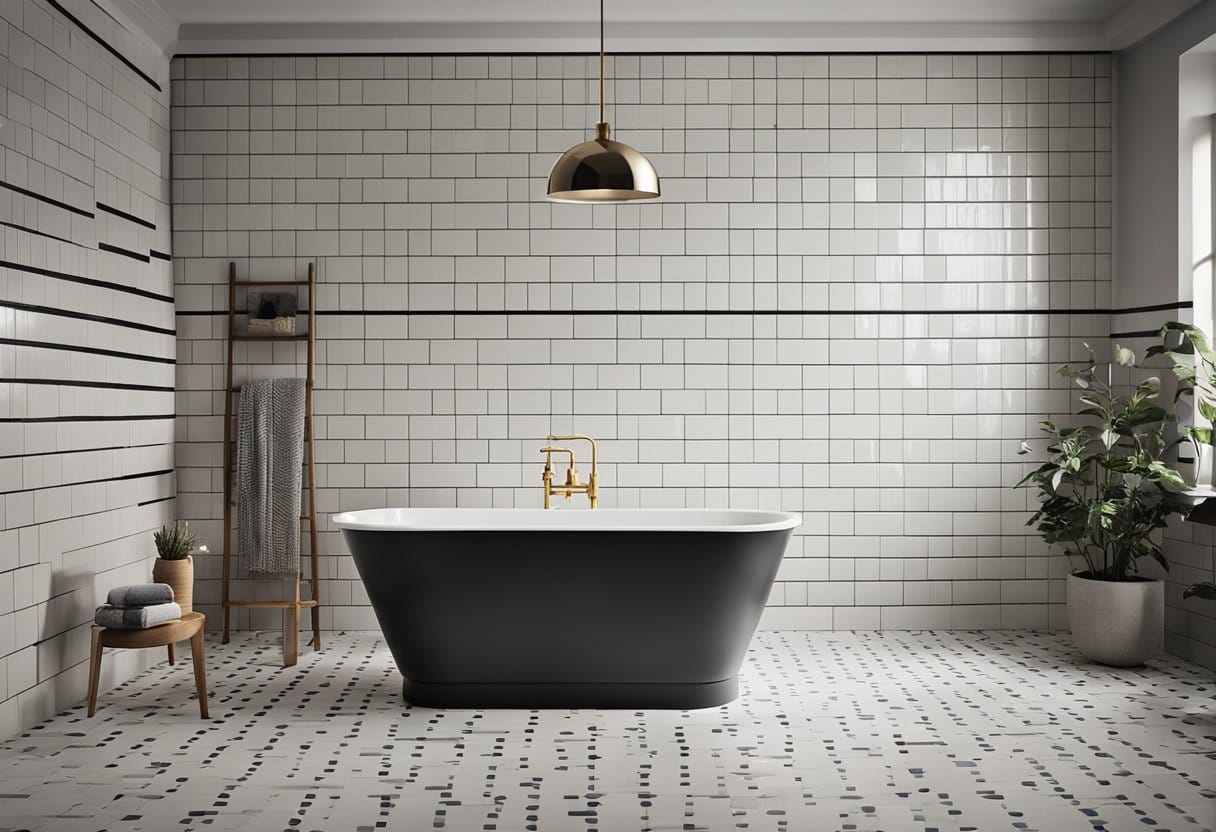
Subway tiles aren’t just for the kitchen backsplash anymore—they’ve become a go-to design choice for a variety of spaces around your home. You can use this classic tile in fresh, unexpected ways that add both function and style to different rooms. With their simple lines and timeless appeal, subway tiles easily fit a range of aesthetics, from modern minimalism to cozy farmhouse vibes.
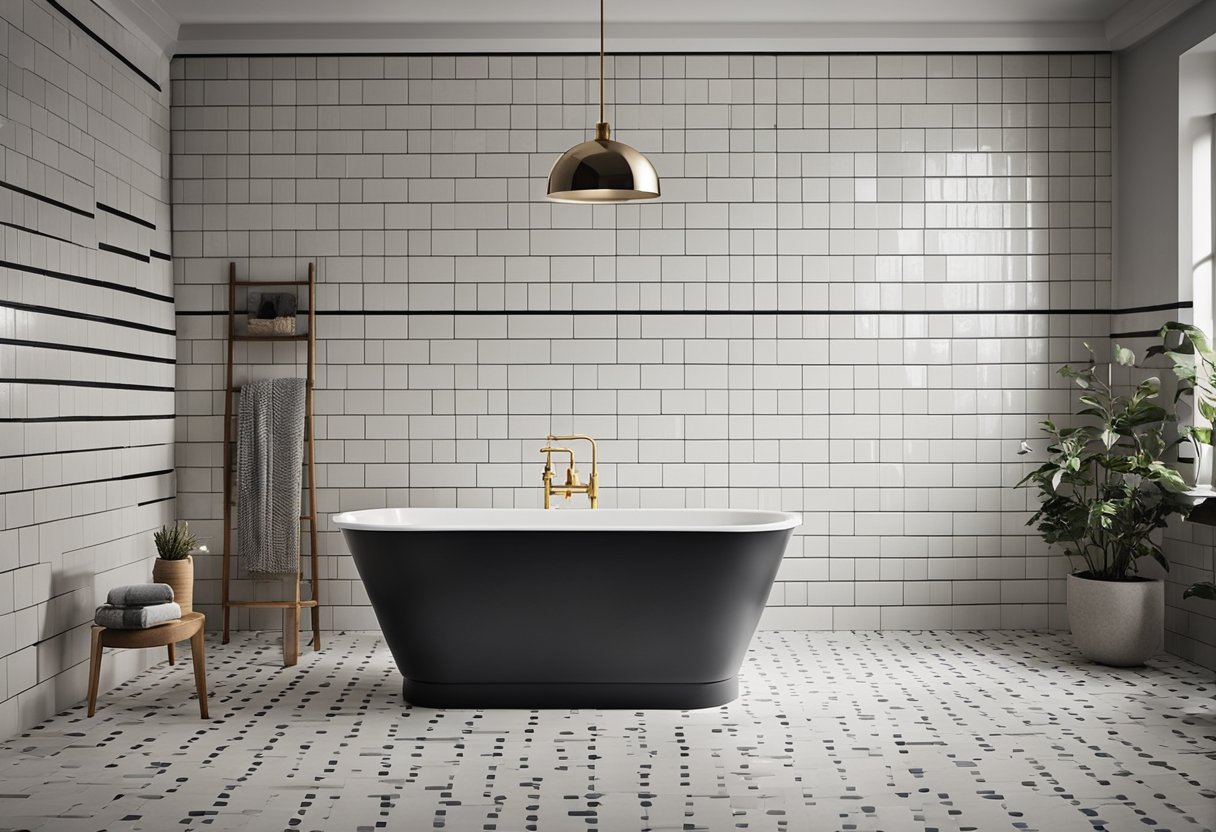
Discover how subway tiles can completely transform ordinary areas into statement spaces. If you’re looking to give your bathroom, bedroom, or even entryway a little boost, these clever ideas might be just what you need.
Create a spa-inspired subway tile bathroom wall for a clean, serene look
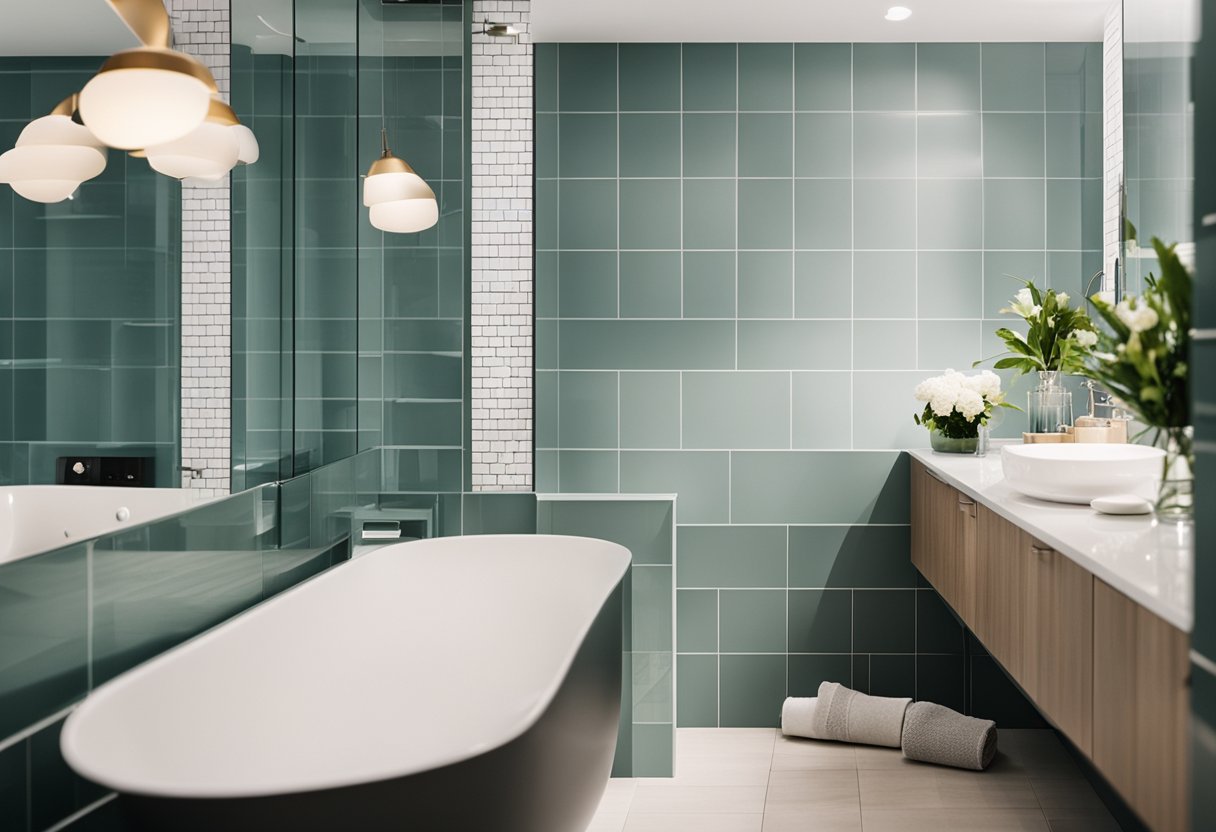
Imagine stepping into your bathroom and instantly feeling like you’ve checked into a luxury spa. That’s exactly what a spa-inspired subway tile wall can do for your space. It’s all about creating a vibe that says, “Relax, you’re home!”
Choosing white or soft, neutral subway tiles is a great way to keep things bright and calming. Pair those tiles with light grout for an even more tranquil look, or go with a mid-tone grout for a subtle bit of contrast that keeps things interesting.
Want to add a little personality? Try stacking your subway tiles in a vertical pattern instead of the traditional horizontal layout. This small switch draws the eye upward, making your bathroom feel taller and more open.
Don’t forget the details—natural wood accents, soft lighting, and fluffy white towels will really complete the spa effect. Keep the rest of your décor simple, and let those subway tiles do the talking.
Here’s a quick cheat sheet for getting that spa-inspired wall just right:
| Element | Quick Tip |
|---|---|
| Tile Color | White or light neutrals |
| Grout Shade | Match for seamless, or go mid-tone for depth |
| Tile Layout | Classic brick, stacked, or vertical formats |
| Accent Features | Wood, greenery, and minimal accessories |
It’s your bathroom—give it that refreshing, peaceful backdrop that invites you to unwind every time you walk in!
Design a stylish mudroom with white subway tiles as a durable backsplash
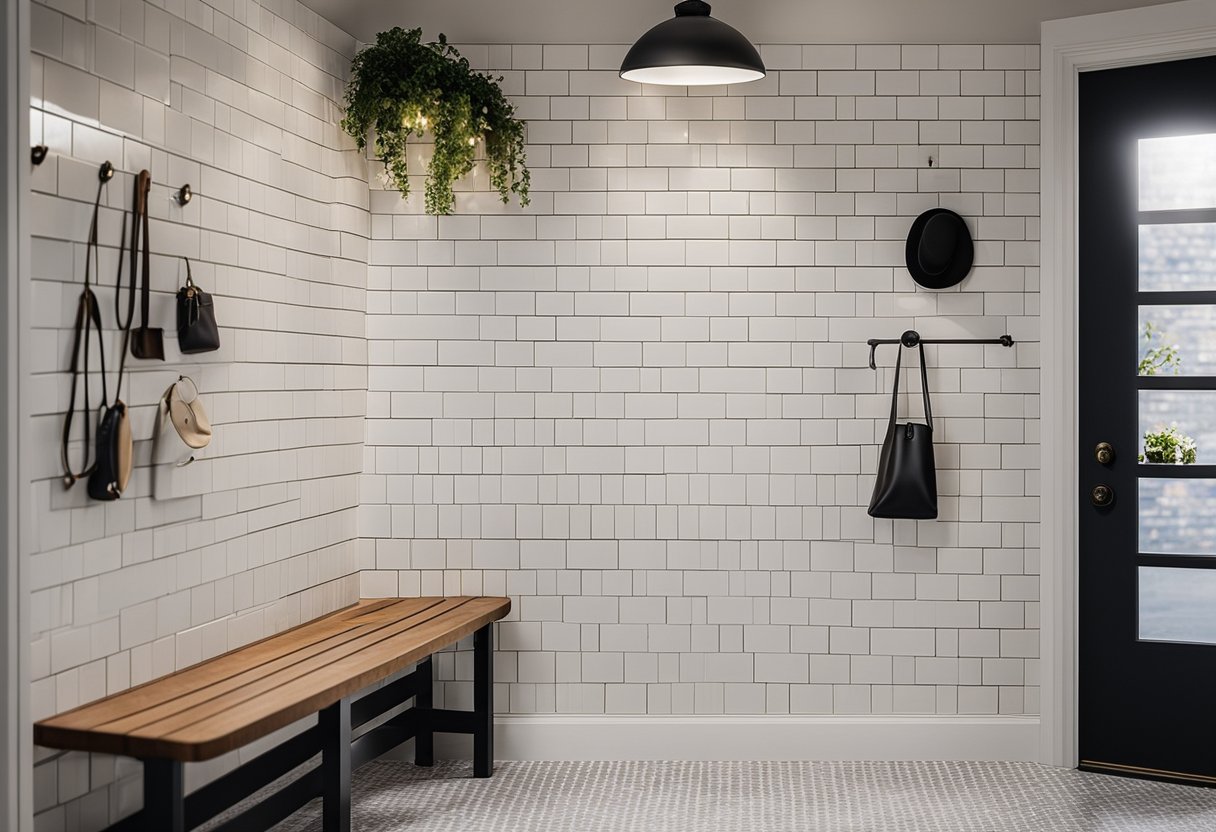
Imagine stepping into your mudroom and being greeted by crisp white subway tiles—simple, classic, and oh-so practical. These tiles aren’t just for splash zones; they’re perfect for mudrooms, where dirt and moisture are daily visitors.
Subway tiles make cleanup a breeze. Muddy shoes, wet coats, and pet paws are no match for a backsplash that’s easy to wipe down in seconds. Just grab a cloth and your walls are instantly refreshed.
You’ll love how white subway tiles reflect natural light, making even the smallest mudroom feel roomy and welcoming. They pair well with just about any color palette, so you’re free to play with bold paint or rustic wood accents.
Here’s a quick look at the perks of choosing subway tiles for your mudroom:
| Feature | Benefit |
|---|---|
| Durable glazed surface | Stands up to bumps, scuffs, and splashes |
| Timeless design | Complements both classic and modern spaces |
| Low maintenance | Needs only a quick wipe to look spotless |
For a little extra flair, consider stacking the tiles in a herringbone or vertical pattern. Changing up the layout can add personality without overwhelming the space.
The next time you haul in groceries or hang up a raincoat, you’ll appreciate how your subway tile backsplash keeps your mudroom looking sharp and organized—no matter what life throws your way.
Add a subway tile accent wall in your living room for timeless texture
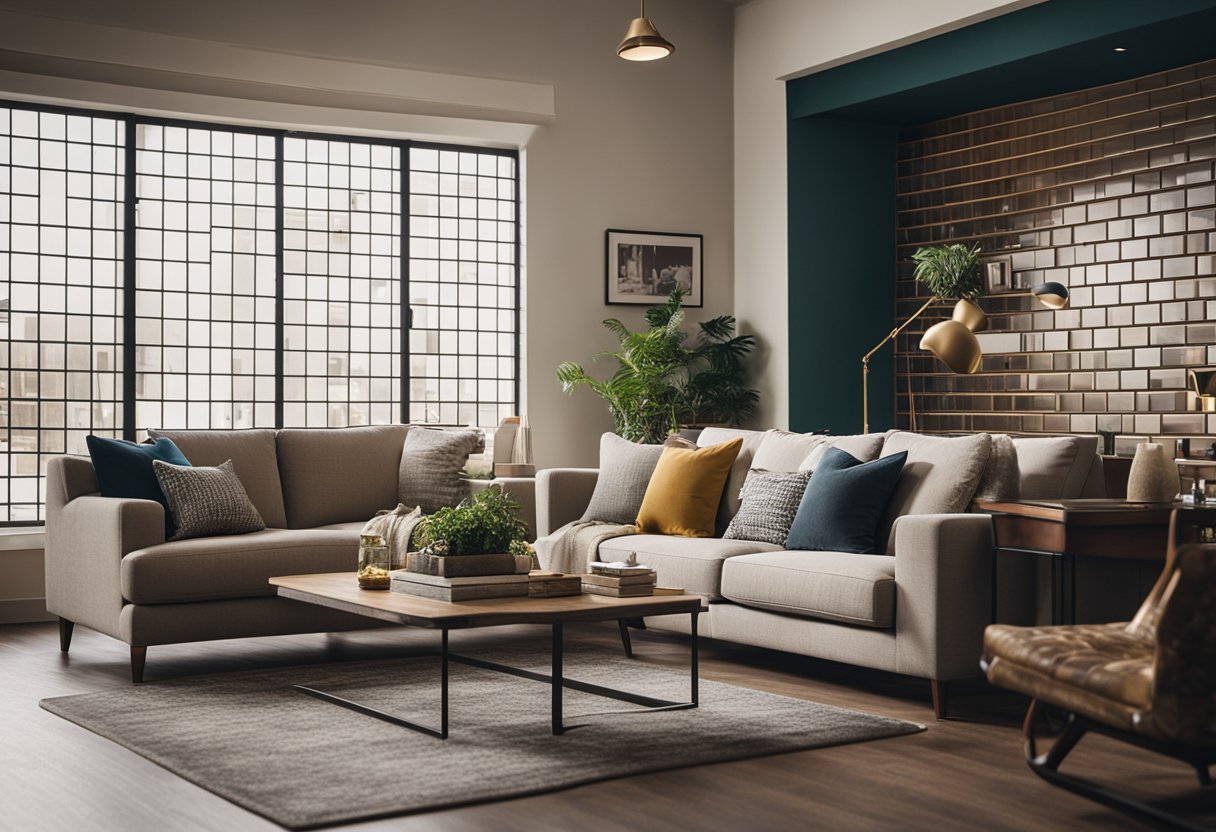
Looking to change up your living room without going overboard? A subway tile accent wall brings in a fresh, crisp texture that’s both practical and seriously good-looking. It works with all kinds of décor, whether your style is modern, vintage, or somewhere in between.
What makes subway tile so appealing is its ability to reflect light, instantly making your living space feel brighter and more open. This classic tile shape keeps things feeling structured and clean, and you get to decide whether you prefer a glossy or matte finish.
Worried about it feeling too “kitchen-like”? You’re not alone! But here’s the thing—unique layouts, like stacked or vertical arrangements, add personality and twist up the traditional vibe. You can even use a contrasting grout color to make the tiles pop.
Here’s a simple comparison table to help you choose the right grout style:
| Grout Style | Look It Creates | Cleans Easily |
|---|---|---|
| White with white tile | Seamless, airy, subtle | Yes |
| Dark with white tile | Bold, modern, eye-catching | Yes |
| Colored with white tile | Fun, unexpected, creative | Varies |
Subway tile is also easy to clean, which is a win if your living room is a high-traffic area. Spills and smudges? Just a quick wipe and your wall’s as good as new. You’ll love how low-maintenance this option is compared to other textured wall materials.
Installing subway tile might sound intimidating, but if you love DIY projects, this is a fun one to tackle. There are plenty of peel-and-stick versions out there, making it even easier to refresh your space in a weekend.
Use subway tiles as a full backsplash behind sinks and appliances for a sleek effect
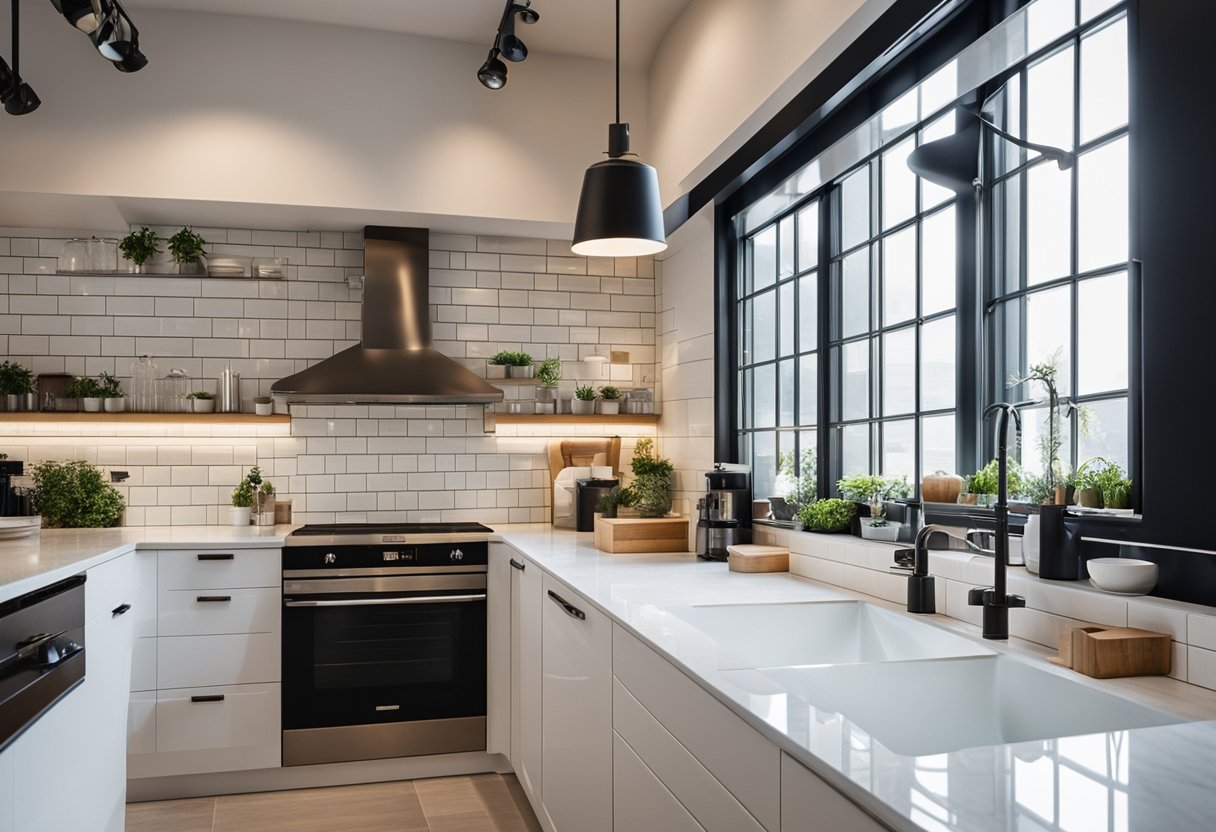
Imagine stepping up your style game by extending subway tiles from your countertop to the ceiling behind your sink and appliances. It’s a small change that instantly makes the whole space feel crisp, organized, and put-together.
This approach gives you more than just a clean look. A full-tile backsplash is easy to wipe down after spills or splashes, which is especially handy behind high-traffic areas like your stove or sink.
Here’s a quick table to help you see the benefits at a glance:
| Area Covered | Benefits |
|---|---|
| Behind sinks | Resists water and soap splashes |
| Behind stoves | Protects wall from grease and heat |
| Full appliance wall | Cohesive, streamlined appearance |
Choose glossy or matte subway tiles to match your appliances for a coordinated look. White tiles offer timeless style, but don’t hesitate to try a bold color for a fun twist.
You’ll love how this design trick not only modernizes your home but makes regular cleaning so much simpler. Whether you go classic or contemporary, a full backsplash of subway tiles is a detail that always looks intentional.
Combine subway tiles with shiplap paneling for a modern rustic vibe
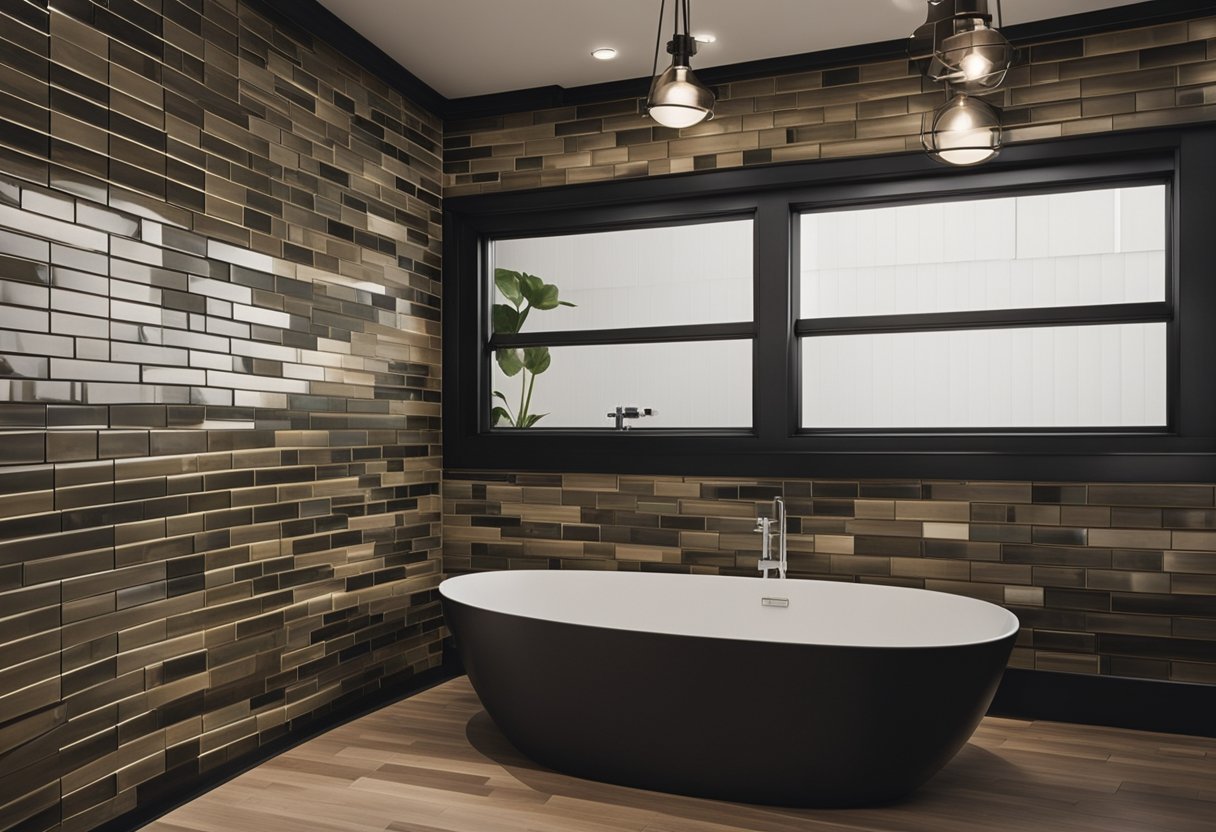
Want to give your space a little something extra? Mixing subway tiles with shiplap paneling is one of the best ways to create that balanced, modern rustic look—right in your own home.
Subway tiles bring a crisp, clean feel. Shiplap paneling gives off warmth and texture thanks to its distinctive lines. Pairing them together creates visual harmony that feels both fresh and inviting.
Try placing subway tiles as a backsplash or shower surround, then finish the rest of the wall with shiplap. The combination draws the eye and highlights each material’s unique charm.
Here’s a quick look at how these materials stack up side by side:
| Feature | Subway Tile | Shiplap Paneling |
|---|---|---|
| Finish | Sleek, glossy, easy to clean | Matte, textured, adds character |
| Visual Impact | Brightens up the space | Adds warmth and a cozy vibe |
| Best Placement | Backsplashes, bathrooms, accent walls | Living rooms, hallways, feature walls |
Don’t be afraid to play with contrast. White subway tile with painted shiplap is classic, but you can also experiment with colors. Try bold navy shiplap against glazed white subway tiles for a strong statement.
You can use this combo in bathrooms, entryways, or even as an accent wall behind your bed. It’s an easy way to give any room a bit of personality—without going overboard.
Understanding Subway Tile Versatility
Subway tile can bring a fresh, clean look wherever you use it. The beauty is in its adaptability, with practical benefits and a wide choice of materials making it useful well beyond the kitchen.
Key Benefits of Subway Tile
Subway tiles are famous for their timeless design. They date back to the early 1900s but look just as modern today. You’ll get a sleek, uncluttered look that works in just about any setting.
These tiles aren’t just pretty—they’re easy to clean, highly durable, and resist moisture. That’s why you’ll spot them in bathrooms, showers, mudrooms, and even bedrooms for a touch of texture. Their shape means you can get creative with layout, like horizontal stacking or herringbone, for a personalized touch.
Check out some highlights below:
| Benefit | Why It Matters |
|---|---|
| Classic style | Fits modern or traditional spaces |
| Simple cleanup | Makes maintenance a breeze |
| Multiple layouts | Lets you customize pattern and personality |
| Water resistance | Ideal for damp or high-traffic areas |
Popular Materials and Finishes
You aren’t stuck with the classic glossy white. Subway tiles now come in a variety of materials like ceramic, glass, porcelain, stone, and even metal. This gives you flexibility for different rooms and budget options.
Finishes add another layer of personality to your design. You might prefer a polished, shiny finish for a bright, clean effect in a bathroom. Or maybe you’re after a more textured look, like matte or crackle-glazed, which adds depth and a bit of rustic charm.
Here’s how finishes and materials compare:
| Material | Pros | Best Spot |
|---|---|---|
| Ceramic | Affordable, easy to install/clean | Kitchen, bath, mudroom |
| Glass | Reflects light, vibrant colors | Accent walls, showers |
| Porcelain | More durable, low absorption | High-moisture spots |
| Stone | Natural, unique look | Feature walls, fireplaces |
| Metal | Modern, industrial vibe | Contemporary spaces |
Important Design Tips for Unique Subway Tile Projects
Switching up the way you use subway tile can completely transform any space in your home. Your choices in layout and grout color have a major impact on the final look, so paying attention to both is key to creating a truly unique project.
Mixing Patterns and Layouts
You don’t have to stick with the classic horizontal brick pattern. Trying out new layouts—like vertical stacking, herringbone, or crosshatch—can instantly add personality. For a subtle twist, you might arrange tiles in a staggered vertical layout, which draws the eye upward and makes ceilings feel taller.
Here’s a quick table to help you compare some popular patterns:
| Pattern | Visual Effect | Best For |
|---|---|---|
| Herringbone | Dynamic, eye-catching | Accent walls, fireplaces |
| Vertical Stack | Modern, height-enhancing | Bathrooms, entryways |
| Crosshatch | Playful, unexpected | Laundry rooms, bar areas |
| Basketweave | Textured, classic | Small spaces, backsplashes |
Mixing in different layouts or even combining two patterns in one room can turn a simple subway tile job into a standout design feature. Don’t be afraid to experiment with borders or breaks between pattern changes.
Choosing the Right Grout Color
Grout makes a bigger difference than most people realize. Selecting a contrasting grout, like charcoal with white subway tile, brings out the outline of each tile, creating a bold, graphic effect. This can highlight your layout choice and add drama to your walls.
For a softer, more seamless look, you can go with grout in a similar shade to your tile. Off-white or light gray grout with pale tiles offers a more classic and understated finish. Just keep in mind: darker grout hides stains better, while lighter grout brightens up the room.
Before committing, line up sample tiles and test grout colors side-by-side. You’ll get a clearer sense of how the finished result will look—and avoid surprises after installation.