
15 min read
8 Cottage Garden Plants (Easy, Low-Maintenance Beauties)


Edited by: Louise (Editor In Chief)
Fact/quality checked before release.
Fact/quality checked before release.
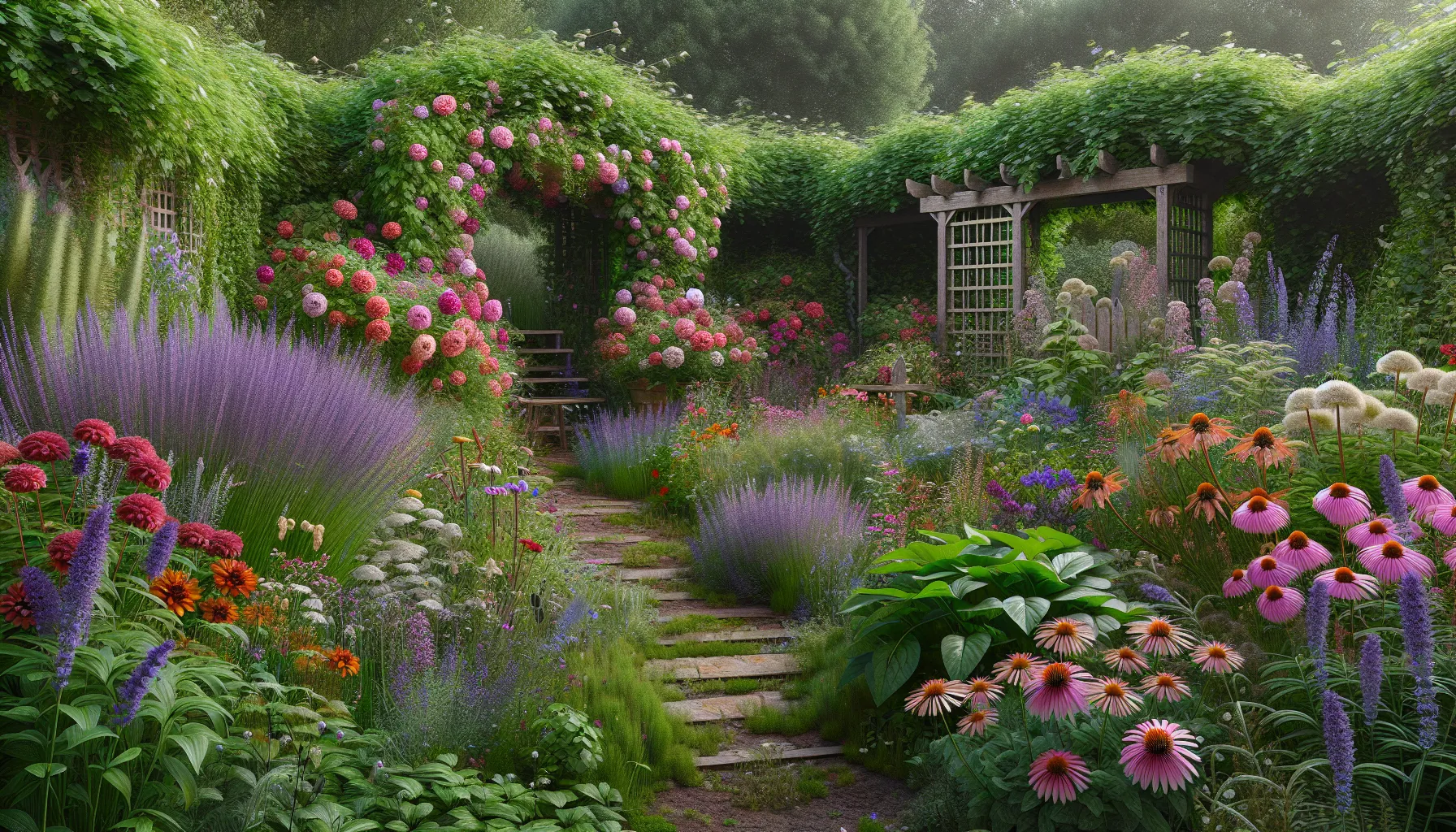
Hey there, garden enthusiasts! Dreaming of that charming cottage garden but worried you don’t have endless hours to spend weeding and pruning? I’ve got amazing news for you! You can absolutely create that lush, romantic cottage look without signing up for a full-time gardening job.
What Makes a Cottage Garden Special
Cottage gardens capture that perfectly imperfect, romantic aesthetic that feels like stepping into a fairy tale. Unlike formal gardens with their strict lines and measured spacing, cottage gardens embrace a delightful chaos where plants spill over pathways and bloom in vibrant clusters.
The magic of these gardens lies in their layered, abundant planting style that combines flowering perennials, herbs, and edibles in a seemingly random but visually stunning arrangement. You’ll find tall foxgloves and hollyhocks mingling with mid-height peonies and daisies, while ground-covering herbs and flowers fill every available inch.
What truly sets cottage gardens apart is their sense of lived-in charm and personality. These gardens tell a story—your story—through plant selections that might include grandmother’s heirloom roses alongside herbs you use in your kitchen. There’s an authenticity to cottage gardens that can’t be replicated with cookie-cutter landscaping.
Cottage gardens also create incredible wildlife habitats, attracting bees, butterflies, and beneficial insects that keep your garden ecosystem thriving naturally. The diverse plant selection ensures something is always blooming, providing continuous food sources for pollinators from early spring through late fall.
The cottage garden style originated with practical, hardworking plants that served multiple purposes—medicinal herbs, edible flowers, and vegetables all growing together in a beautiful jumble. Today’s cottage gardens honor this tradition by incorporating plants that are not just pretty but also functional and resilient.
Key Elements of Low-Maintenance Cottage Gardens
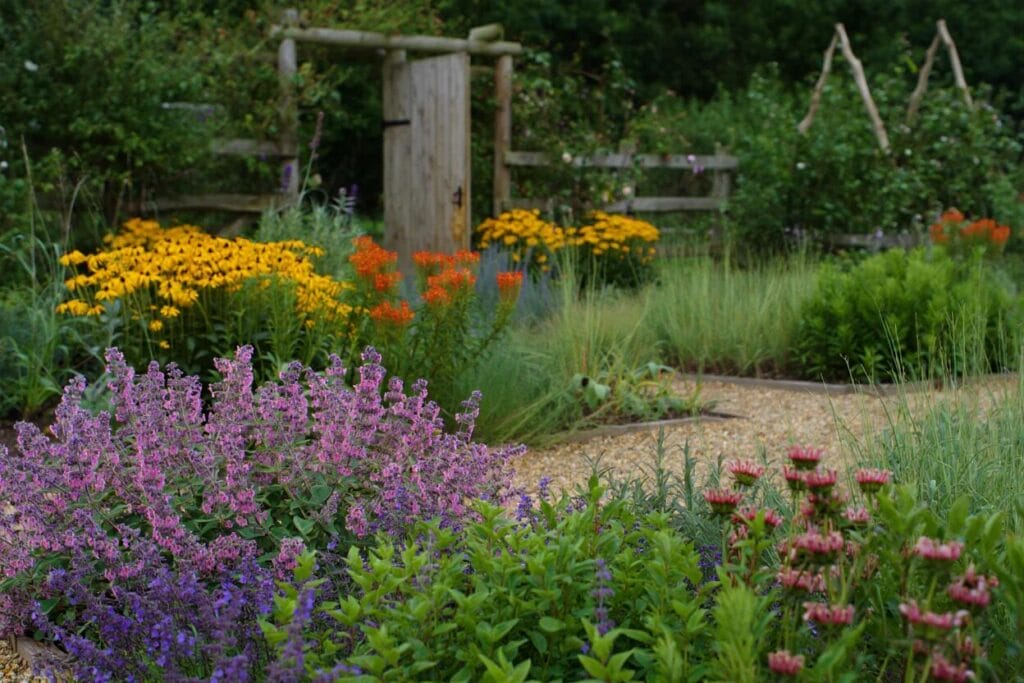
Creating a cottage garden that thrives without constant attention means embracing a few strategic principles. These gardens aren’t just beautiful—they’re designed to flourish with minimal intervention when you incorporate the right elements.
Work With Your Natural Environment
Your garden’s success starts with acknowledging what nature already provides. Plants that match your local climate, soil type, and sun exposure automatically require less care than those fighting against natural conditions. Before selecting plants, observe your garden space throughout different seasons to identify microclimates—those pockets where conditions might differ from the rest of your yard.
For clay soils, choose plants like yarrow or Russian sage that tolerate poor drainage. In sandy areas, drought-tolerant classics like lavender and catmint thrive. By working with rather than against your environment, you’re setting up your cottage garden for self-sufficient success.
Implement Dense Planting Strategies
The cottage garden style actually helps reduce maintenance through its signature dense planting approach. When you pack plants closely together in thoughtful combinations, they naturally suppress weeds by shading the soil and leaving little room for unwanted visitors to establish. This planting strategy creates a living mulch effect, reducing watering needs as plants shield the soil from evaporation.
Combine plants of different heights, textures, and blooming periods to create visually interesting layers that serve practical purposes. Tall flowers like hollyhocks and foxgloves provide support for more delicate neighbors while adding vertical interest to your garden tapestry.
Embrace Self-Seeding Varieties
The most effortless cottage gardens include plants that handle their own reproduction. Self-seeding flowers like columbine, forget-me-nots, and poppies create delightful surprises each year, popping up in new locations and filling gaps naturally. These volunteers maintain the charming, unplanned aesthetic that defines cottage gardens while reducing the need to purchase and plant new specimens annually.
Many herb varieties like borage and chamomile also readily self-seed, ensuring your garden remains productive with minimal intervention. You’ll simply need to remove unwanted seedlings occasionally while letting the desirable ones flourish where they choose.
Incorporate Structural Elements
Every low-maintenance cottage garden benefits from permanent features that provide year-round interest. Sturdy structures like arbors, trellises, and weathered garden benches create focal points that don’t need seasonal replanting or intensive care. These elements offer vertical growing space for climbing roses or clematis while defining garden rooms that give order to the otherwise informal planting style.
Consider adding weathered stone pathways that improve garden accessibility while minimizing areas requiring mowing or weeding. Small water features with recirculating pumps attract beneficial wildlife while creating peaceful ambiance with minimal upkeep requirements.
Top 8 Low-Maintenance Cottage Garden Plants
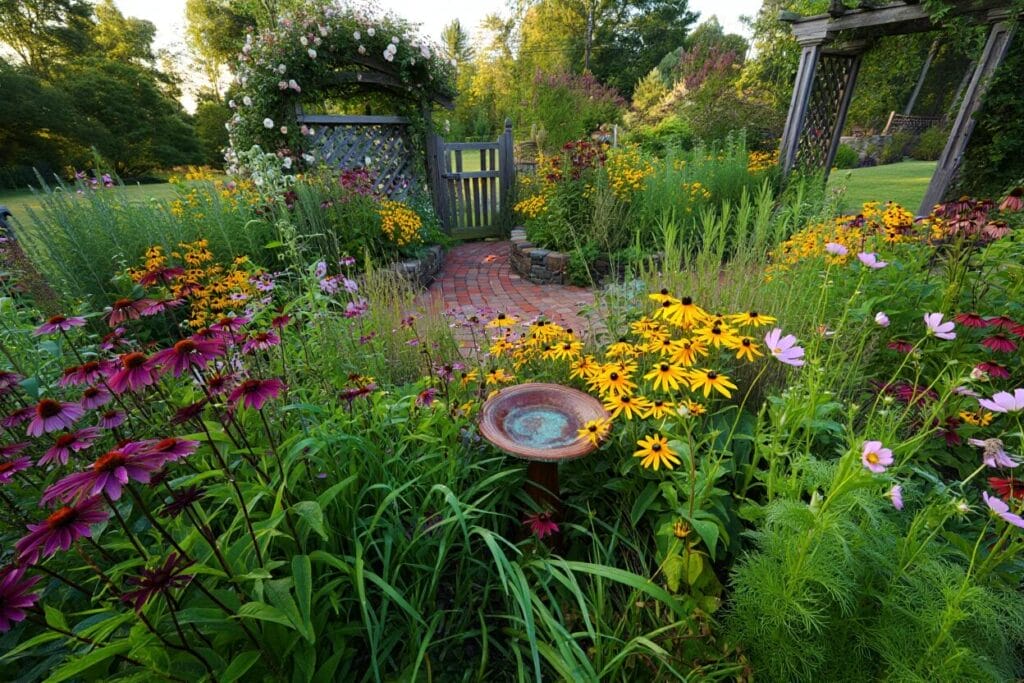
These eight cottage garden classics combine charm with resilience, offering show-stopping beauty without demanding constant attention. Each plant brings unique characteristics that contribute to that enchanting cottage aesthetic while letting you spend more time enjoying your garden than maintaining it.
Lavender: Fragrant and Drought-Tolerant
Lavender forms the backbone of low-maintenance cottage gardens with its silvery foliage and fragrant purple blooms. This Mediterranean native thrives in poor soil conditions and actually performs better with less water once established. Plant lavender in full sun with well-draining soil, and you’ll enjoy its calming scent and buzzing pollinators throughout summer. Varieties like English lavender (Lavandula angustifolia) and Spanish lavender (Lavandula stoechas) need only an annual pruning in early spring to maintain their compact shape and prevent them from becoming woody.
Coneflowers: Colorful Summer Blooms
Coneflowers (Echinacea) deliver months of daisy-like blooms from midsummer through fall with virtually zero fuss. These prairie natives boast sturdy stems that rarely need staking and vibrant flowers in shades of purple, pink, white, yellow, and orange. Tolerant of heat, humidity, and drought, coneflowers attract butterflies during blooming seasons and provide winter interest with their distinctive seed heads. Leave the spent flowers standing to feed birds and self-seed throughout your garden, creating natural drifts that enhance that casual cottage look.
Catmint: Pest-Resistant and Long-Blooming
Catmint (Nepeta) creates soft clouds of lavender-blue flowers that bloom prolifically from late spring through summer, with potential reblooming if trimmed back after the first flush. This aromatic perennial naturally repels many garden pests while attracting beneficial pollinators. Newer varieties like ‘Walker’s Low’ and ‘Purrsian Blue’ maintain a tidy habit without flopping, eliminating the need for staking. Their gray-green foliage looks fresh all season and pairs beautifully with roses and other cottage garden favorites, softening edges and filling gaps with minimal care.
Hardy Geraniums: Versatile Ground Cover
Hardy geraniums earn their nickname “cranesbills” from their distinctive seed pods that resemble a crane’s bill. These adaptable perennials form low mounds of deeply cut foliage topped with saucer-shaped flowers in shades of blue, purple, pink, and white. Varieties like Geranium ‘Rozanne’ bloom from late spring until frost with zero deadheading required. Their spreading habit suppresses weeds naturally, and they thrive in sun or partial shade, making them perfect for filling spaces beneath roses or spilling over pathway edges in true cottage garden style.
Peonies: Seasonal Showstoppers
Peonies deliver dramatic blooms and incredible longevity, with many plants living 50-100 years with minimal care. These cottage garden classics produce lush, romantic flowers in late spring to early summer that fill the garden with their intoxicating fragrance. Once properly planted (with eyes just 1-2 inches below soil level), peonies require little more than a supporting ring in spring and removal of spent foliage in fall. Their glossy, deep green leaves provide attractive structure throughout the growing season even after flowering has finished.
Daylilies: Adaptable and Resilient
Daylilies thrive in a remarkable range of conditions and bloom reliably even with complete neglect. Though each trumpet-shaped flower lasts just a day, established clumps produce dozens of buds on multiple stems, creating weeks of continuous color. These tough perennials withstand poor soil, drought, and partial shade while resisting most pests and diseases. Reblooming varieties like ‘Stella de Oro’ and ‘Happy Returns’ deliver multiple flowering cycles throughout summer with no deadheading. Their arching, strappy foliage adds textural contrast in the cottage garden even when not in bloom.
Salvias: Pollinator-Friendly Perennials
Salvias contribute spiky vertical accents that contrast beautifully with the rounded forms of other cottage garden plants. These aromatic perennials bloom in jewel-toned spires of blue, purple, pink, or red from early summer through fall, providing essential nectar for hummingbirds, bees, and butterflies. Most salvias thrive in hot, sunny spots with well-draining soil and become more drought-tolerant once established. Varieties like Salvia nemorosa ‘Caradonna’ and Salvia x sylvestris ‘May Night’ need only a quick shearing after their first bloom to encourage a second flush of flowers.
Lady’s Mantle: Elegant Foliage and Texture
Lady’s mantle (Alchemilla mollis) brings soft scalloped leaves that capture dewdrops like diamonds on their surfaces, creating morning magic throughout the garden. This charming perennial produces frothy clusters of chartreuse flowers in early summer that complement every color palette and dry beautifully for arrangements. Lady’s mantle forms tidy mounds that suppress weeds while thriving in sun or partial shade. It’s particularly effective when allowed to self-seed along garden paths, creating that effortless cottage garden look that appears to have evolved naturally over many years.
Planting and Design Tips for Effortless Cottage Gardens
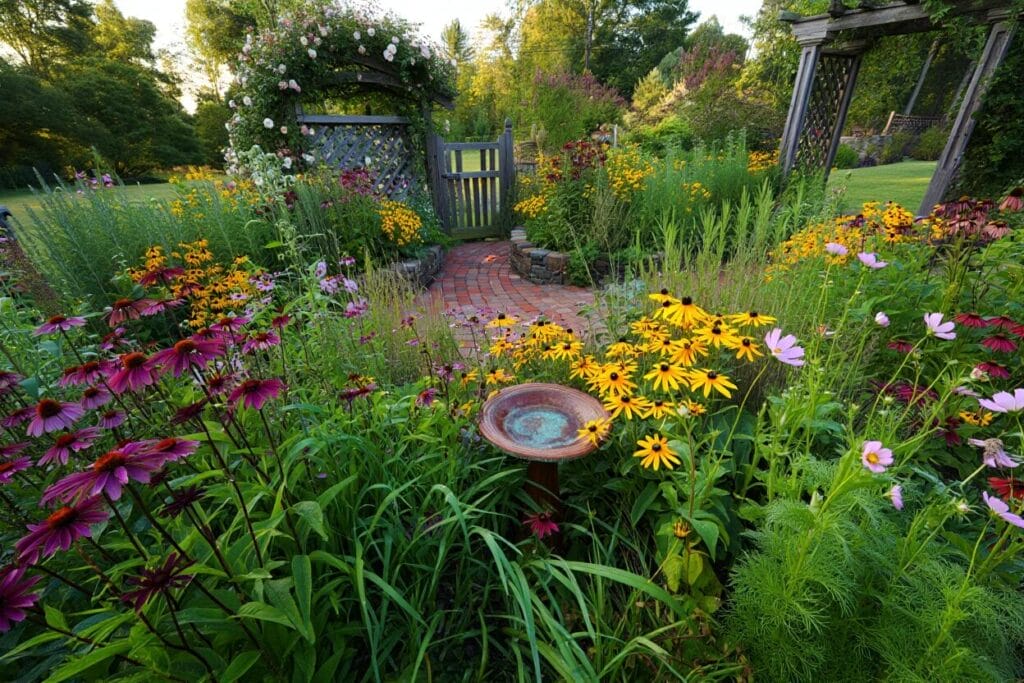
Creating that gorgeous, effortless cottage garden vibe isn’t just about plant selection – it’s about strategic placement and thoughtful design that does the heavy lifting for you! Let’s dive into some game-changing tips that’ll have your garden looking like it stepped right out of a storybook, without the storybook-sized maintenance schedule.
Work with Natural Groupings
Plants in cottage gardens look best when grouped in informal drifts of 3-5 plants rather than straight rows. This natural clustering mimics how plants grow in the wild and creates a more cohesive look. Place taller plants toward the back of borders and shorter ones in front, creating a beautiful layered effect that catches the eye from every angle.
When planting, position moisture-loving varieties like peonies and daylilies in naturally wetter areas of your garden. Group drought-tolerant plants like lavender and salvias together in sunny, drier spots. This microclimate matching drastically reduces the need for supplemental watering and plant replacement.
Create Self-Maintaining Pathways
Pathways aren’t just functional—they’re your secret weapon against garden chaos! Line garden paths with hardy geraniums or lady’s mantle that spill over the edges, softening hard lines while naturally suppressing weeds. Crushed stone or mulched pathways require minimal upkeep compared to high-maintenance lawn paths that need regular mowing.
For maximum impact with minimal effort, install permanent edging between beds and pathways. Materials like steel, stone, or brick create clean separation that reduces spreading and keeps your garden looking intentional even during dormant seasons.
Embrace the Right Kind of Chaos
The cottage garden style thrives on a certain amount of beautiful disorder, but there’s a difference between romantic abundance and neglect. Establish strong structural elements like arbors, obelisks, or even a birdbath to anchor your design. These focal points create year-round interest even when perennials die back.
Don’t be afraid to let plants self-seed and find their happy places. Many cottage favorites like coneflowers and catmint will naturally distribute themselves to spots where they thrive best. This volunteer planting creates that authentic, evolved-over-time cottage look that’s impossible to achieve with rigid design.
Time-Saving Soil Strategies
The foundation of a truly low-maintenance garden starts beneath the surface. Before planting, invest time in amending your soil with quality compost to improve structure and fertility. Well-prepared soil means stronger plants that outcompete weeds and resist disease without constant intervention.
Apply a 2-3 inch layer of organic mulch like shredded leaves or bark between plants to conserve moisture and suppress weeds. This simple step cuts watering and weeding time by up to 70% while gradually improving soil quality as it breaks down. Refresh mulch just once annually in early spring before new growth emerges.
Seasonal Maintenance Shortcuts
Schedule your minimal maintenance tasks strategically. Perform a single major cleanup in late winter rather than multiple sessions throughout the growing season. Many perennials like coneflowers and salvias provide winter interest and food for birds when left standing through winter.
When it comes to pruning, adopt the “one and done” approach. Most cottage garden perennials benefit from a single annual cutting back rather than continuous deadheading. Use the Chelsea chop technique in late May on plants like catmint and salvias—trimming back by a third to promote bushier growth and extended blooming without subsequent maintenance.
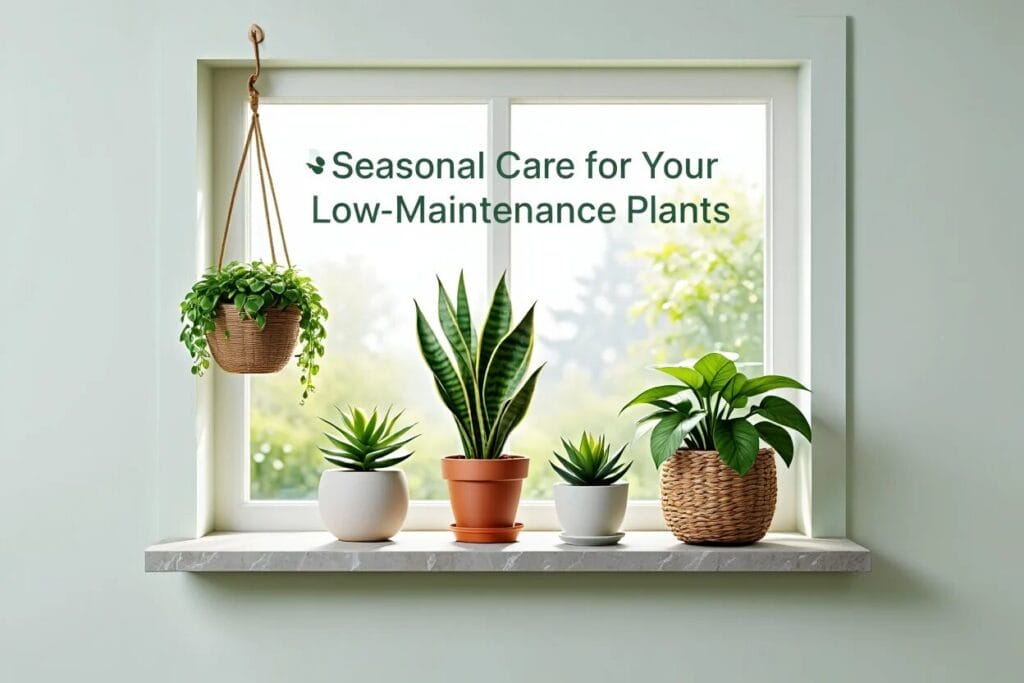
Seasonal Care for Your Low-Maintenance Plants
Spring Tasks
Spring brings your cottage garden back to life with minimal effort on your part! Start by removing winter mulch gradually as temperatures rise, allowing your perennials to emerge at their own pace. Give your garden a quick once-over to remove any debris that’s accumulated over winter.
Early spring’s the perfect time to divide overcrowded perennials like daylilies and hardy geraniums—this simple task keeps them vigorous and provides free plants for filling in bare spots. Apply a thin layer of compost around your plants rather than digging it in, letting earthworms do the work of incorporating it into the soil.
For your self-seeders like lady’s mantle, simply thin out excessive seedlings where they’re too dense, leaving the rest to create that charming cottage garden abundance. Most cottage garden stars need minimal fertilizing—a light application of slow-release organic fertilizer in spring is typically all they need for the entire season.
Summer Maintenance
Summer’s all about enjoying your garden, not working in it! Your established cottage plants like lavender and salvias are naturally drought-tolerant once established, needing water only during extended dry spells. Group your plants according to water needs—keeping thirsty varieties together minimizes unnecessary watering.
Deadheading isn’t mandatory in a low-maintenance cottage garden. For plants like coneflowers and salvias, selective deadheading extends blooming, but leaving some spent flowers provides winter interest and seeds for birds. Plus, many modern cultivars are self-cleaning, dropping spent blooms naturally.
Pest problems stay minimal when you’ve selected appropriate plants for your conditions. A healthy cottage garden creates its own balance, with beneficial insects handling most pest issues. For persistent problems, a quick spray of insecticidal soap handles issues before they spread.
Fall Preparations
Fall prep in a low-maintenance cottage garden breaks all the old rules! Skip the fall cleanup for most perennials—leaving stems and seed heads standing provides winter interest and habitat for beneficial insects. Plants like coneflowers and salvias offer architectural interest with their seed heads dusted in frost or snow.
Add a fresh layer of mulch around plants that need extra winter protection, like newly planted perennials. For established plants like catmint and hardy geraniums, their own fallen leaves provide adequate mulch—simply let them lie where they fall.
This is also the perfect time to plant spring-flowering bulbs among your perennials for early season color next year with zero maintenance. Tuck them around dormant perennials like peonies where their emerging foliage will later hide the bulbs’ fading leaves.
Winter Overview
Winter’s the time when your garden truly maintains itself! Your structural elements—arbors, pathways, and ornaments—provide interest while your plants rest. Evergreen perennial foliage from plants like lavender offers subtle winter color and structure.
Resist the urge to cut back frost-damaged foliage until late winter when new growth begins to emerge. This natural protection shields crown and roots from temperature fluctuations. Heavy snow might require occasionally brushing off shrubs like lavender to prevent branch breakage, but otherwise, your garden needs virtually no attention.
Use this dormant season to review your garden’s performance and plan any adjustments for spring. Note which plants thrived with minimal care and which required more attention than you’d like—this information guides your plant choices going forward, creating an increasingly self-sufficient cottage garden over time.
Companion Planting for a Thriving Cottage Garden
Companion planting isn’t just smart gardening—it’s like throwing the ultimate plant party where everyone gets along! In a cottage garden, strategic plant pairings create natural pest control and enhance growth without chemical interventions.
When you position herbs like rosemary and thyme near roses, they help repel aphids naturally. Try planting nasturtiums as sacrificial plants—they attract cabbage moths away from your precious vegetables while adding splashes of color throughout the garden.
Tall, structural plants provide natural support for climbing varieties in a truly symbiotic relationship. Hollyhocks create beautiful backdrops for lower-growing companions like sweet alyssum, which in turn suppresses weeds around their taller friends’ feet.
Create dynamic pollinator highways by interplanting flowering herbs with perennials. Borage, chamomile, and calendula scattered among your cottage favorites don’t just look charming—they attract beneficial insects that boost the health of your entire garden ecosystem.
Some powerhouse combinations to try:
- Plant chives beneath roses to discourage black spot
- Tuck sweet woodruff under shade-loving hostas for gorgeous ground cover
- Mix yarrow with coneflowers for a drought-tolerant, pollinator-friendly display
- Interplant daylilies with spring bulbs for season-long color in the same space
Indigenous plant communities naturally complement each other, so look to your local native plant pairings for inspiration. These plants evolved together and create natural, low-maintenance combinations that thrive with minimal intervention.
Remember, cottage gardens thrive on a bit of beautiful chaos! Your companion plantings don’t need perfectly measured spacing—let them mingle, overlap, and find their own balance just like they would in nature.
Conclusion
Your dream cottage garden doesn’t have to come with a demanding upkeep schedule. By selecting resilient plants like lavender catmint and peonies while embracing strategic design elements you’ll create that enchanting cottage aesthetic with far less effort.
Remember that the most successful low-maintenance gardens work with nature not against it. Group plants thoughtfully add structural elements and let some healthy chaos reign. Your garden will evolve into an increasingly self-sufficient ecosystem over time.
The beauty of cottage gardening lies in its forgiving nature. As you observe what thrives in your unique space you’ll develop an approach that brings you joy without the overwhelm. Now go create that charming cottage retreat you’ve always wanted just with more time to actually enjoy it.