
9 min read
7 Barndominium Exterior Details That Look Expensive


Edited by: Louise (Editor In Chief)
Fact/quality checked before release.
Fact/quality checked before release.

You can spot a polished barndominium before you ever reach the front door. It is not always the biggest house or the fanciest one, it is the place where the roofline, porch, driveway, siding, and land all seem to agree with each other. That is exactly what makes the North Carolina Barndominium from the Pinterest preview so interesting, because the exterior does a lot of quiet work without screaming for attention. After years of looking at rural home builds, tool lists, and finish details, I have noticed one thing: small exterior choices often make the biggest first impression. Barndominiums are trending hard right now, especially in rural and semi-rural areas, so getting these details right can help your home feel current instead of thrown together. Here is what most people miss, and how to use those ideas on your own property.
-
Frame The Roofline First
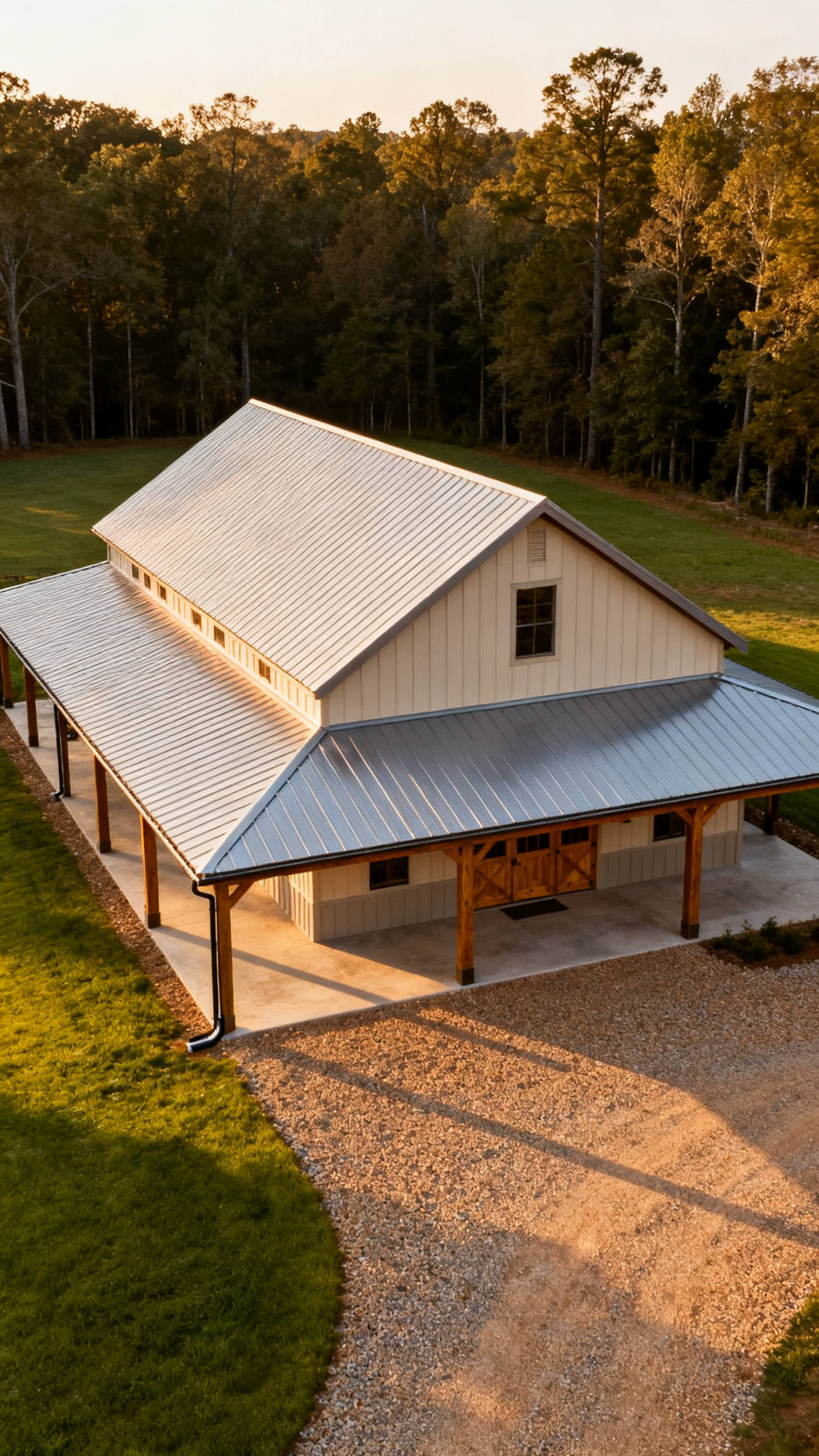
The roofline is the first detail your eye understands, even if you do not notice it right away. On a barndominium exterior, a clean gabled metal roof can make the whole home feel calm, sturdy, and more expensive. The mistake many owners make is treating the roof like a basic cover instead of the main shape-setter. If the pitch looks awkward, the overhangs are uneven, or the roof color fights the siding, the home can lose that polished rural look fast.
Start by checking the roof from a distance, not just from the driveway. Stand near the road, the back field, and both corners of the property. Look for a simple shape, balanced overhangs, clear gutter lines, and a roof color that works with the land around it. Muted charcoal, weathered bronze, soft gray, and dark green often look right at home in a North Carolina setting. If you are planning changes, use a tape measure, roof pitch gauge, and sample metal panels before ordering materials. Give yourself at least one weekend to compare samples in morning, noon, and golden-hour light.
That one step can save you from a roof that looks good in a showroom but wrong on your land. A well-framed roofline gives the house that finished from the first look feeling. It also sets up the next detail people notice almost immediately: the porch.
-
Make The Porch Earn Attention
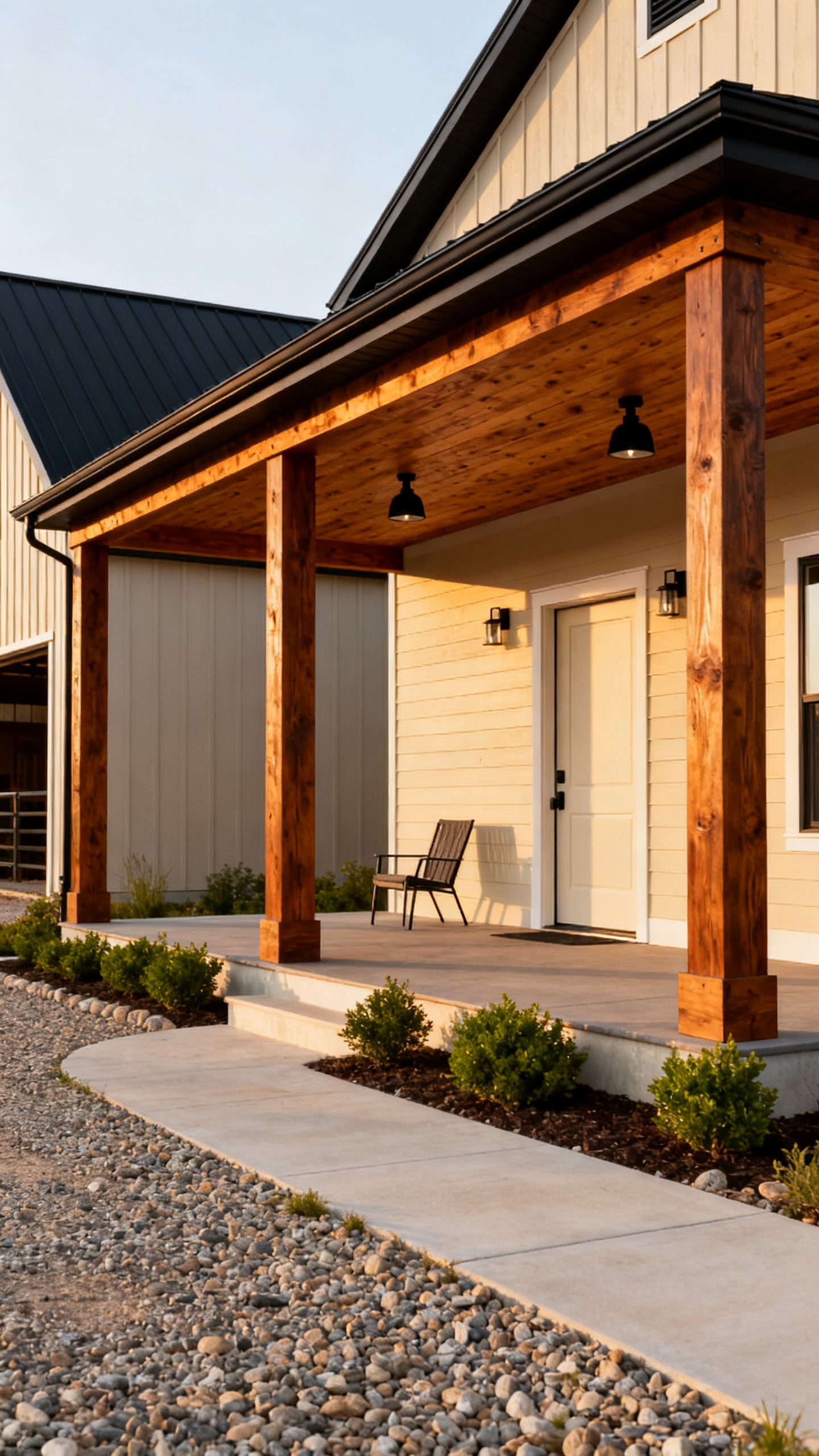
A covered porch can either look like an afterthought or like the reason the whole exterior works. For a rural barndominium, the porch is where barn-inspired structure turns into a real home. Too often, builders keep it too shallow, forget lighting, or use posts that feel too skinny for the size of the building. The result is a porch that technically exists, but does not invite anyone to slow down and look closer.
Start with depth. A usable porch should usually have enough room for seating, a walkway, and door swing clearance without feeling squeezed. Then match the post scale to the roof mass. Chunky stained wood posts, simple black hardware, clean railings, and warm ceiling boards can add a lot without making it fussy. Add outdoor-rated fixtures, sealed wood, and practical drainage so the space works through humid summers and rainy weeks. If you are updating an existing porch, focus on one weekend project first, like replacing undersized lights or staining raw posts.
The payoff is easy to feel. The home looks more welcoming from the driveway, and the entry stops feeling like a flat wall with a door cut into it. I once helped a friend swap thin porch posts for wider cedar wraps, and the house looked newer before we even cleaned up the tools. Once the porch has presence, the siding needs to carry that same rhythm.
-
Use Siding To Add Rhythm
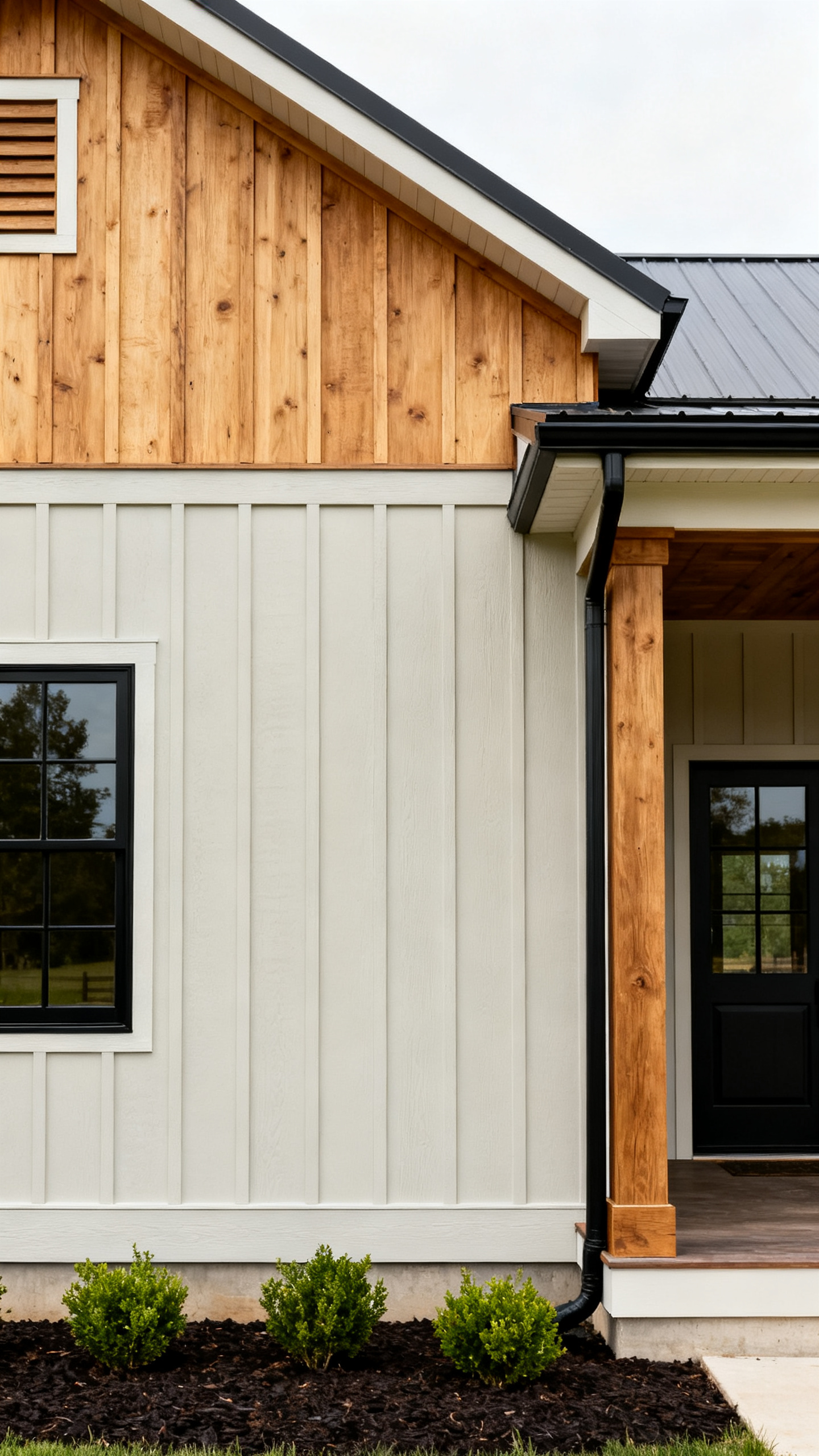
Siding is where a barndominium exterior can go from plain box to custom build. Board-and-batten is popular for a reason, but it only looks high-end when the spacing, trim, and material changes are done with purpose. The common miss is using one flat surface everywhere, then hoping color alone will make it interesting. On a large rectangular home, that can make the walls feel long and empty.
Use siding to create visual rhythm. Keep the main surface simple, then add warm wood at the porch, gable peak, garage area, or entry wall. Line up battens with window edges when possible, and use proper trim around corners, doors, and roof transitions. Before you buy, lay samples outside against the roof color and look at them from 20 to 30 feet away. A cordless nailer, level, chalk line, exterior-grade fasteners, caulk, and flashing details matter more than most people think. If moisture is a concern, leave proper clearances near grade and follow the siding maker’s install rules.
This is the detail that makes people say they cannot tell why it looks so good, it just does. The walls feel intentional, not blank. The wood accents bring warmth, while the vertical lines keep that barn-inspired shape. Next, the driveway has to guide the eye instead of looking like it wandered in by random chance.
-
Let The Driveway Lead
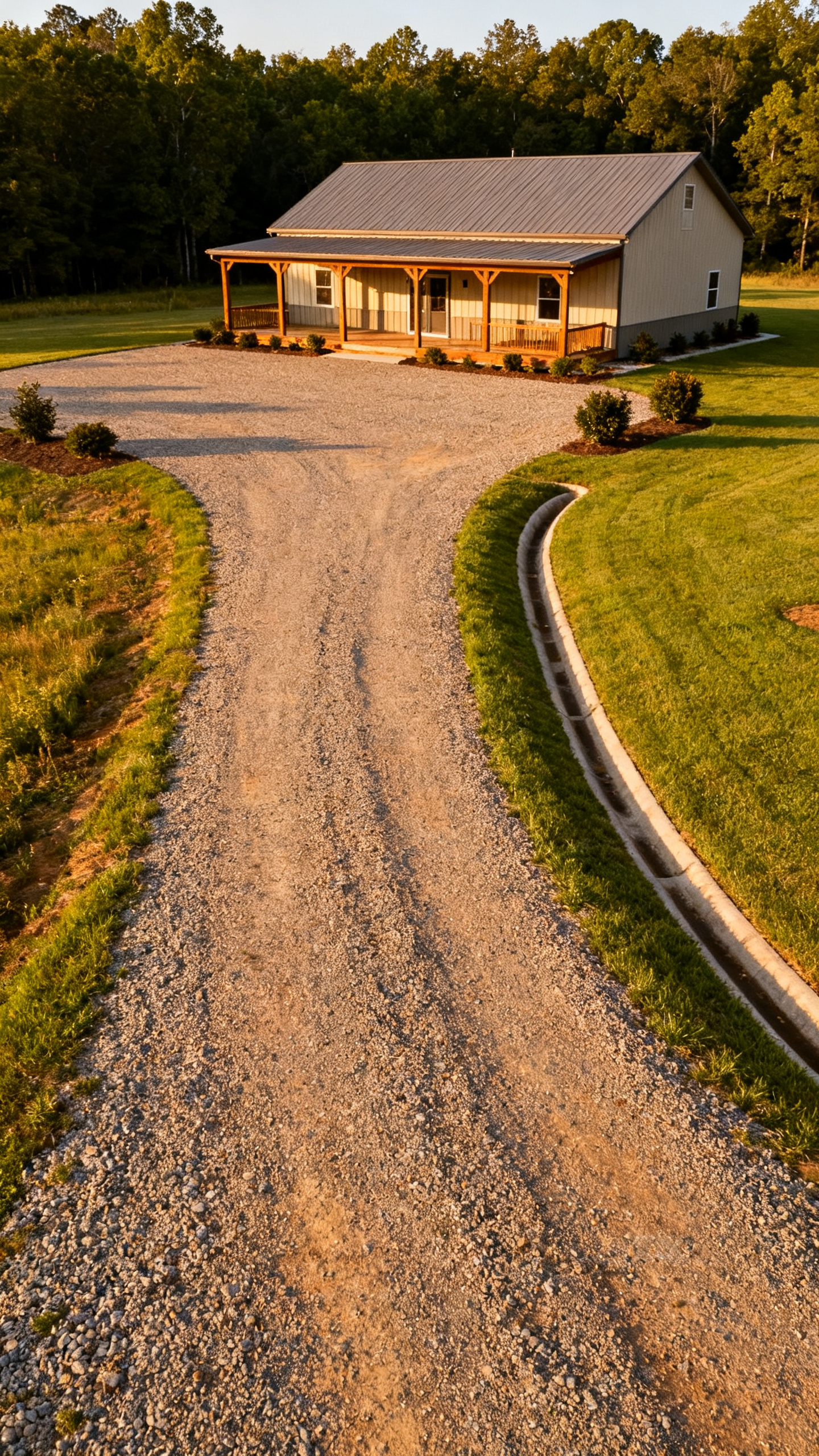
The driveway is one of the most underrated parts of a rural home reveal. It tells visitors where to look, where to go, and how the property is meant to feel. On a barndominium exterior, a rough or confusing driveway can make even a beautiful home feel unfinished. The biggest mistake is letting the drive stop in a random spot or cut across the lawn with no edge, curve, or sense of arrival.
Start by thinking like a drone photo. The driveway should lead the eye toward the home without stealing the show. A clean gravel drive works beautifully if it has a solid base, proper crown, drainage, and defined edges. Use compacted stone, landscape fabric where needed, steel or stone edging, and a gentle curve if the land allows it. Avoid placing the parking area too close to the porch unless space is truly tight. A weekend refresh can be as simple as regrading low spots, adding fresh gravel, and trimming grass edges with a string trimmer and flat shovel.
When done right, the driveway makes the whole property feel planned. It gives that North Carolina countryside look a sense of order, which is exactly why aerial images of polished barndominiums perform so well on Pinterest. The drive pulls your eye in, then the windows and doors decide whether the front feels balanced.
-
Balance Windows Like A Pro
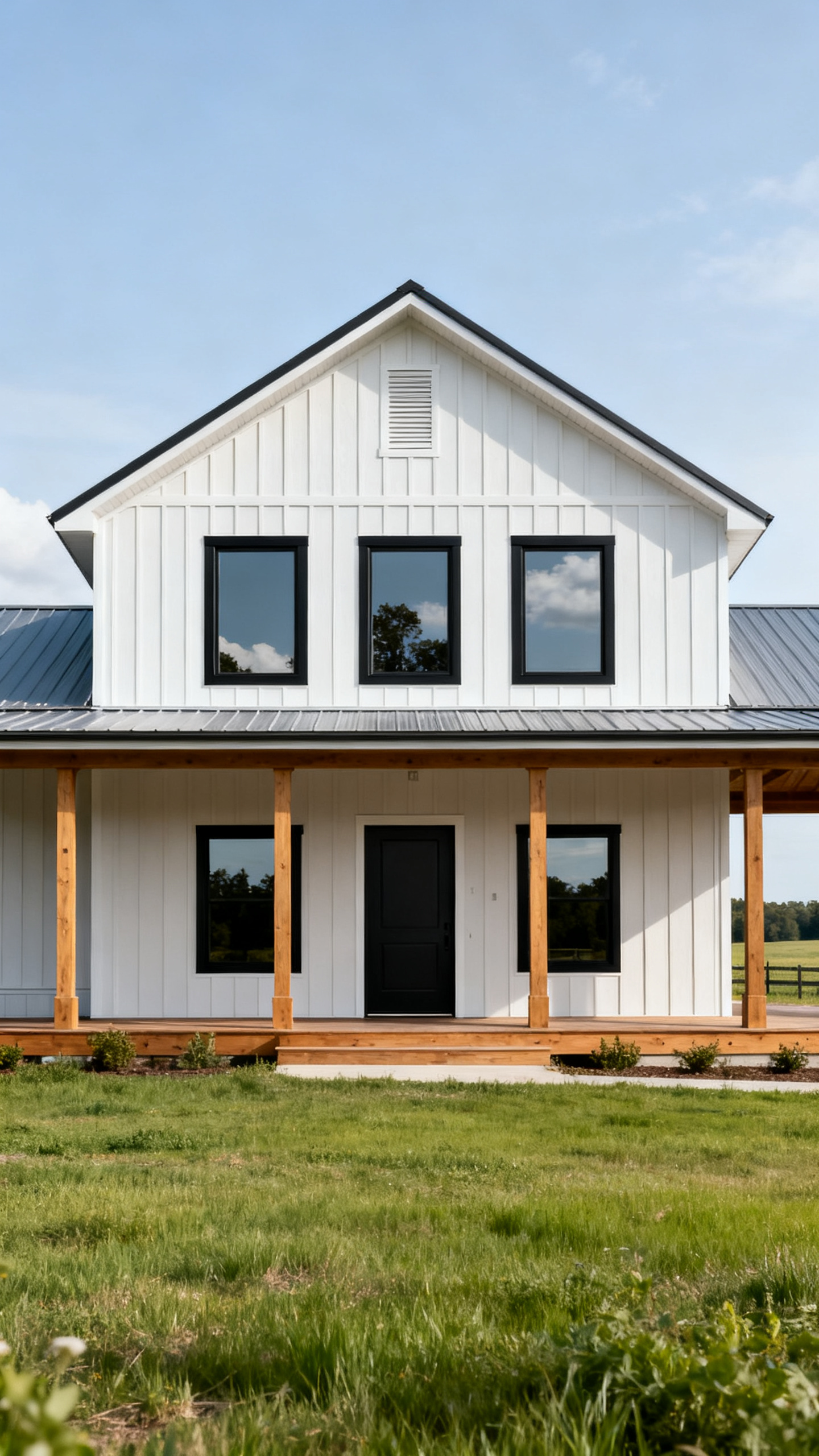
Windows are small compared with the roof and walls, but they can make or break the whole face of a barndominium. If they are scattered without alignment, the exterior starts to feel patched together. This happens a lot when interior room needs are chosen without checking the outside view. You may get good light inside, but the front elevation ends up looking uneven, and that is hard to unsee once you notice it.
Before building or remodeling, sketch the front wall as a flat shape and mark every window, door, and porch post. Keep tops aligned when you can, center windows under gables, and group openings in a way that matches the mass of the wall. Black or bronze window frames can give a strong modern farmhouse look, but only if the spacing is clean. Use a laser level, framing square, and full-size layout marks during planning. For existing homes, you can improve balance with shutters, trim boxes, planter beds, or a new door color instead of moving windows.
Balanced windows create quiet confidence. The barndominium looks designed, not just assembled. This is one of those details buyers and guests feel before they can explain it. Once the openings are balanced, the ground around the house needs to finish the story.
-
Polish The Landscape Edge
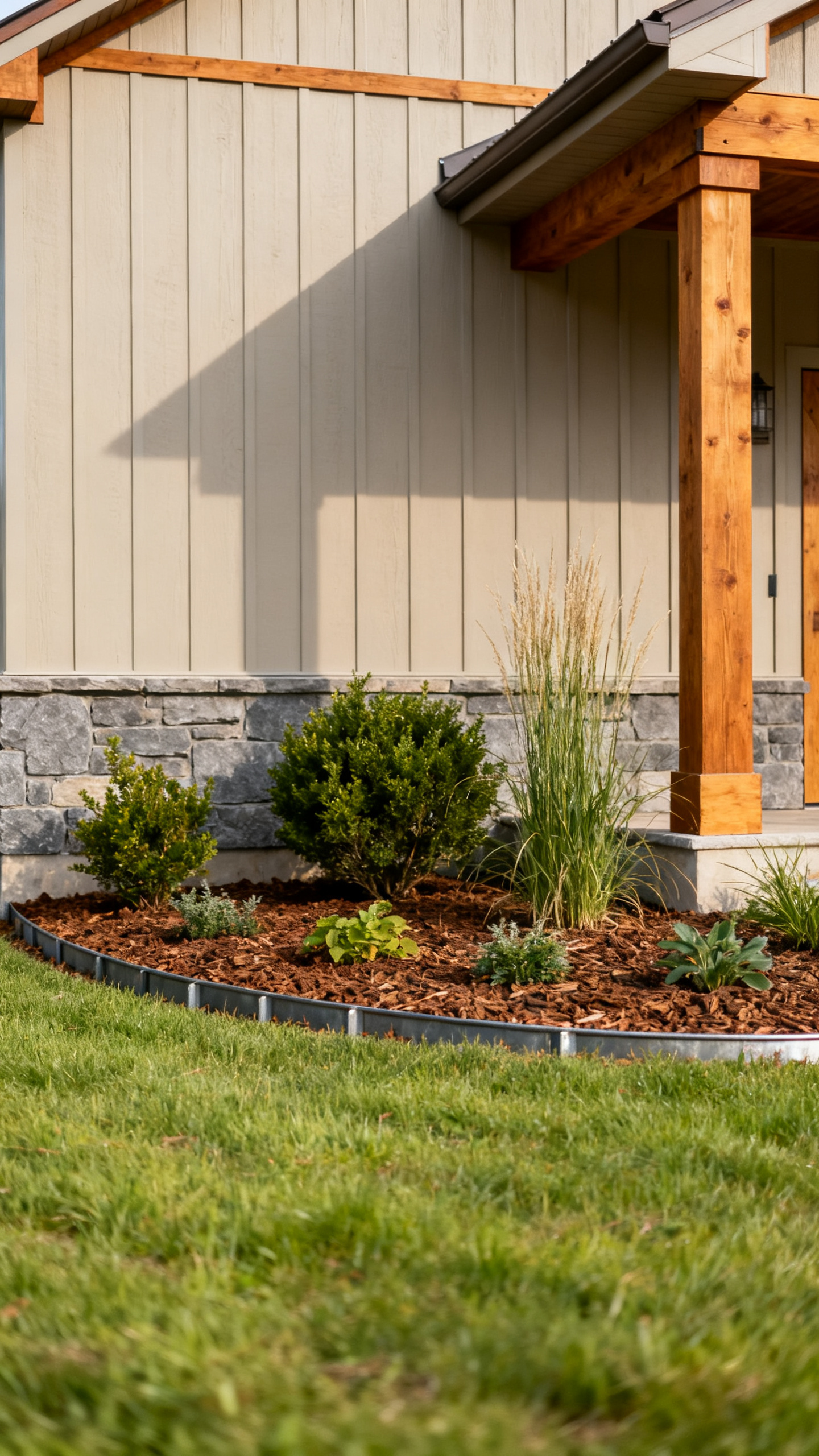
A barndominium can have a great roof, porch, and driveway, but still feel unfinished if the landscaping fades into the foundation. Rural homes do not need a fancy garden to look good. They just need clear edges, healthy lawn, and plants that fit the scale of the building. The common mistake is either doing nothing at all or adding tiny shrubs that disappear against a tall wall.
Build the landscape in layers. Start with a clean foundation edge using stone, steel edging, or a natural mulch bed. Add shrubs that can handle local sun and soil, then mix in grasses or low perennials for texture. In North Carolina, native-friendly picks and drought-tolerant plants can reduce maintenance while still looking intentional. Keep plants away from siding, leave room for airflow, and slope soil away from the foundation. A soil rake, edging shovel, wheelbarrow, mulch fork, and hose timer can make this a very doable two-weekend project.
The emotional payoff is bigger than people expect. The house looks settled into the land, like it belongs there. That is the quiet magic in the Pinterest image: the barndominium is not floating in a bare field. The setting frames it, and that final edge makes the exterior feel complete.
A standout barndominium exterior usually comes down to a few connected choices, not one giant upgrade. When the roofline, porch, siding, driveway, windows, and landscaping work together, the whole property feels calmer, cleaner, and more valuable. That is why the North Carolina Barndominium in the Pinterest preview grabs attention before the full reveal even happens. Use these details as a checklist the next time you walk your own property with fresh eyes. The next step is simply choosing the one exterior detail that would make the biggest difference first.
Pin this guide for later so you can compare these barndominium exterior ideas during your next property walk-through.