
11 min read
10 Summer Home Decor Ideas That Look Expensive (On a Budget)

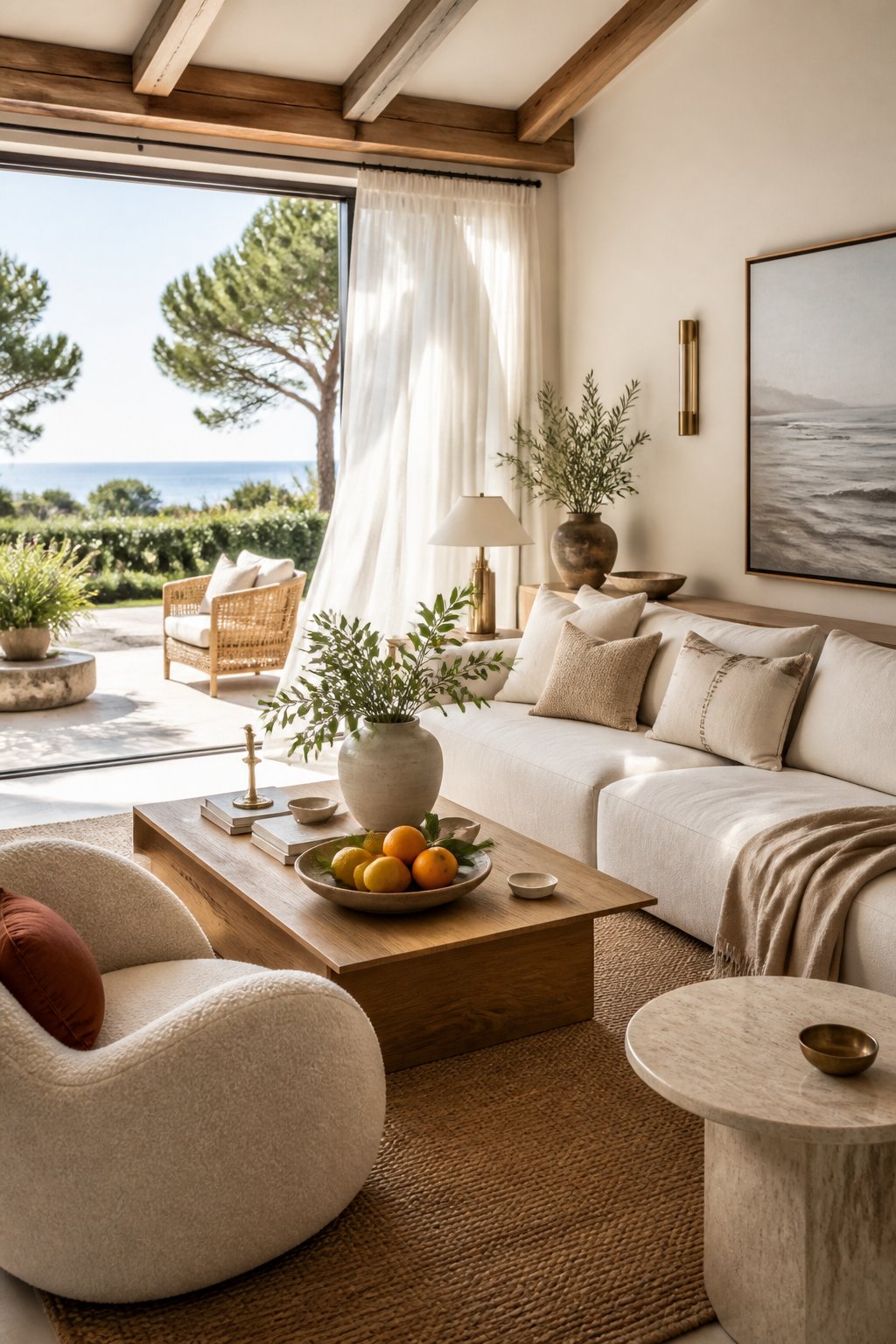
Summer home decor can look polished without a major shopping spree. You can make your home look more expensive by using warm whites, natural light, natural materials, and fewer, better-styled pieces.
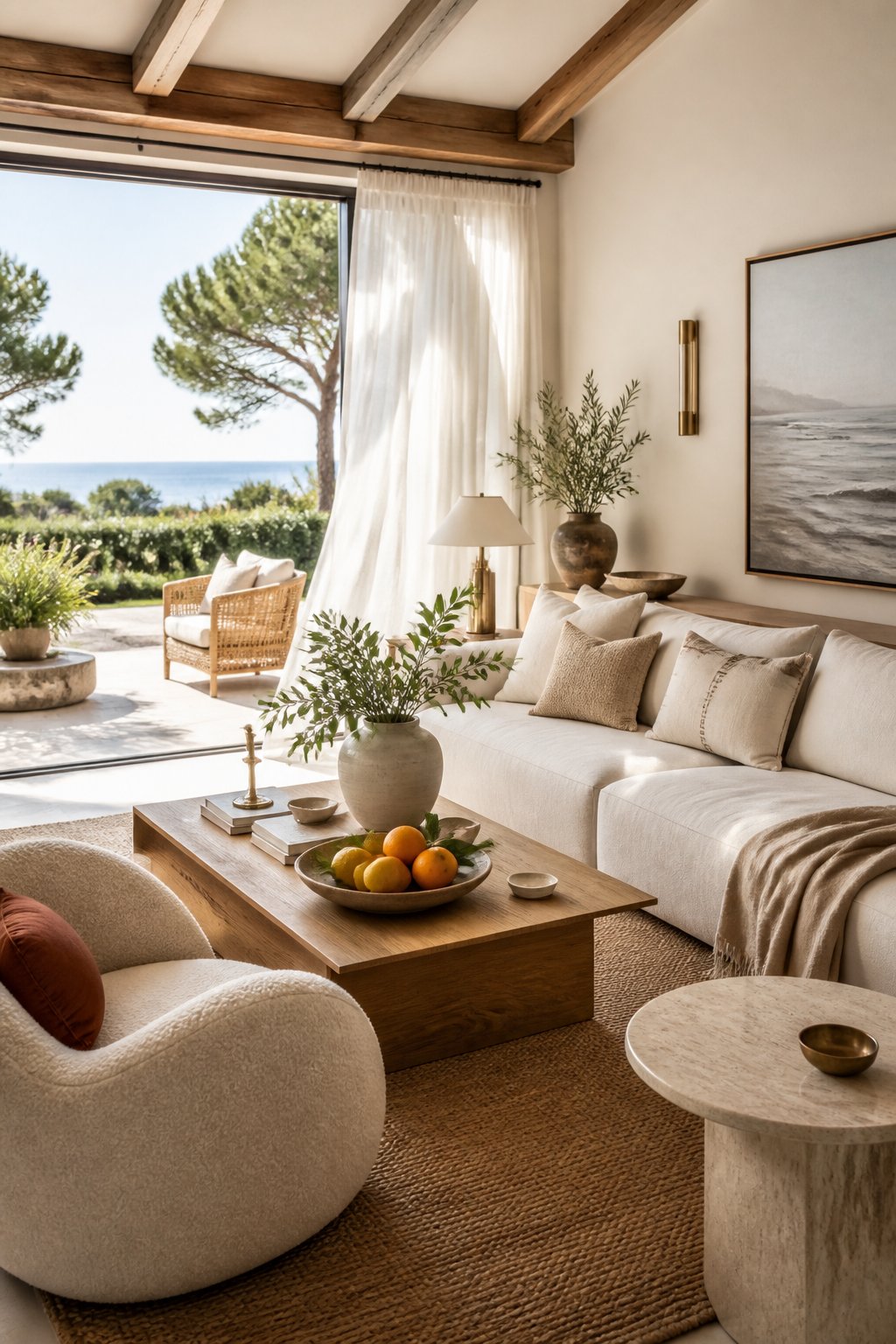
I’ll show you how I create a light, cohesive palette, make rooms feel bigger with sunlight, and layer breezy textures without adding clutter. I’ll also share simple ways to style surfaces, add intentional greenery, and carry the summer refresh onto your patio.
I once swapped a crowded coffee table for one large bowl and a few clipped branches, and the whole room felt calmer in minutes. Keep reading for practical changes that bring that same clean, pulled-together look to your home.
Start With a Light, Cohesive Summer Palette
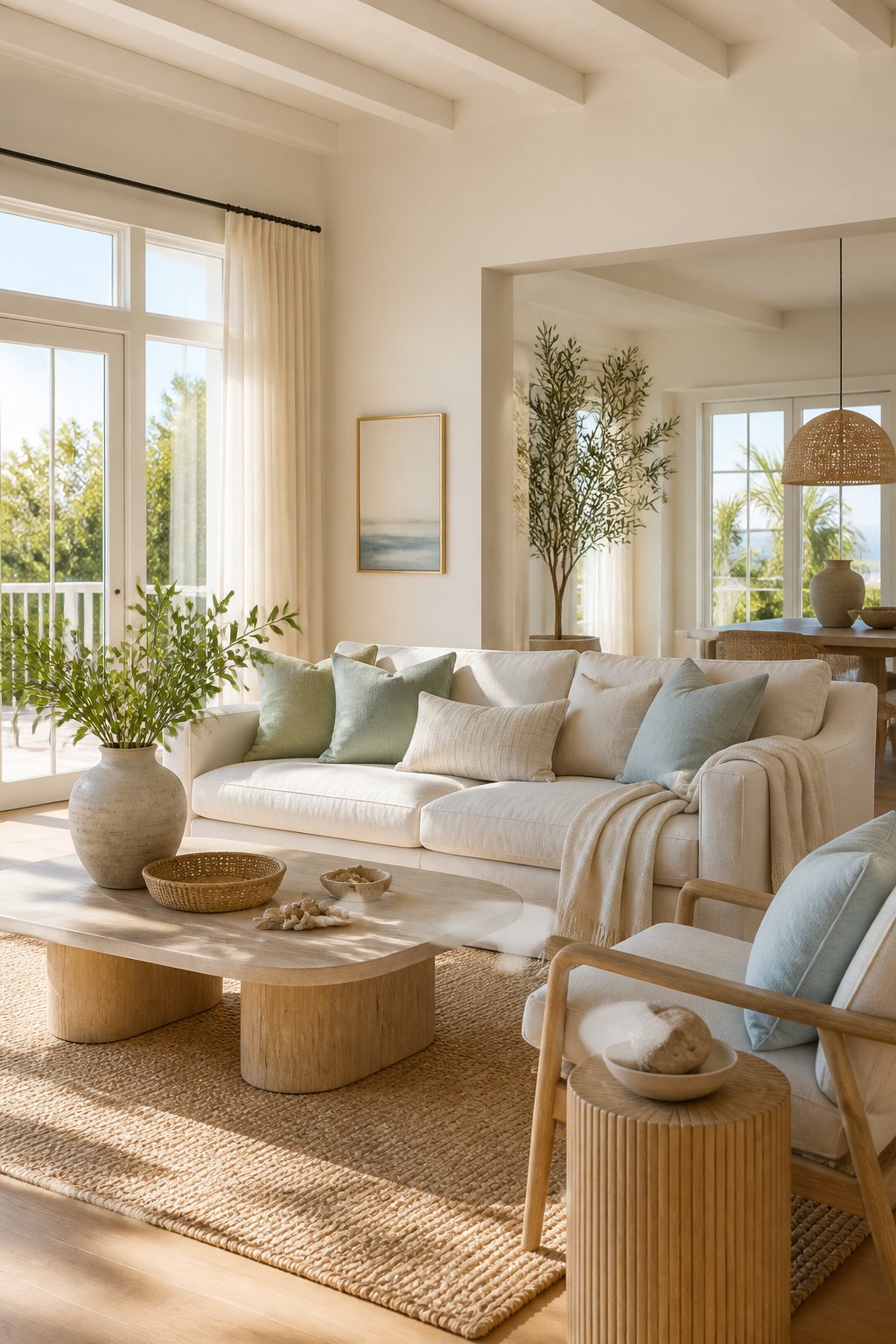
I start with a calm base of cream, warm white, sandy beige, or soft taupe, then add a few coastal accents. This keeps the room fresh without making it feel flat, while cotton, linen, and small touches of color add texture and personality.
Choose Warm Neutrals With Soft Coastal Accents
I reach for warm whites instead of stark white because they pair better with wood, rattan, brass, and natural stone. Cream walls, a warm white sofa, and a sandy beige rug can make a room feel open while still looking finished.
Next, I add one or two accent colors. Sage green works well with beige and taupe, while muted terracotta or peach brings in color without taking over. I might use sage ceramic pieces, a terracotta vase, or peach-colored flowers rather than adding all three shades everywhere.
I also keep the finishes consistent. A woven basket, linen curtains, and a simple wood tray create more interest than a pile of unrelated decorations. I learned this after once placing five colorful objects on one shelf. It looked less like summer style and more like a yard sale, so now I edit the display before adding anything else.
Use Color Through Easily Swapped Textiles
Textiles give me the easiest way to change a room for summer without buying major furniture. I replace dark cushion covers with linen pillow covers in cream, sandy beige, sage green, or soft peach. A few throw pillows with subtle stripes or small coastal patterns can add detail while keeping the palette controlled.
I also trade heavy blankets for a lightweight cotton throw blanket. I fold it over the arm of a sofa or place it in a woven basket, where it adds texture without making the room look crowded. Linen works especially well for curtains, table runners, and cushion covers because its relaxed texture suits a casual summer setting.
Before buying anything new, I gather the textiles I already own and check their colors together. If the shades look related, I keep them. If one piece feels too bright or heavy, I move it to another room until the season changes.
Let Natural Light Make Every Room Feel Bigger
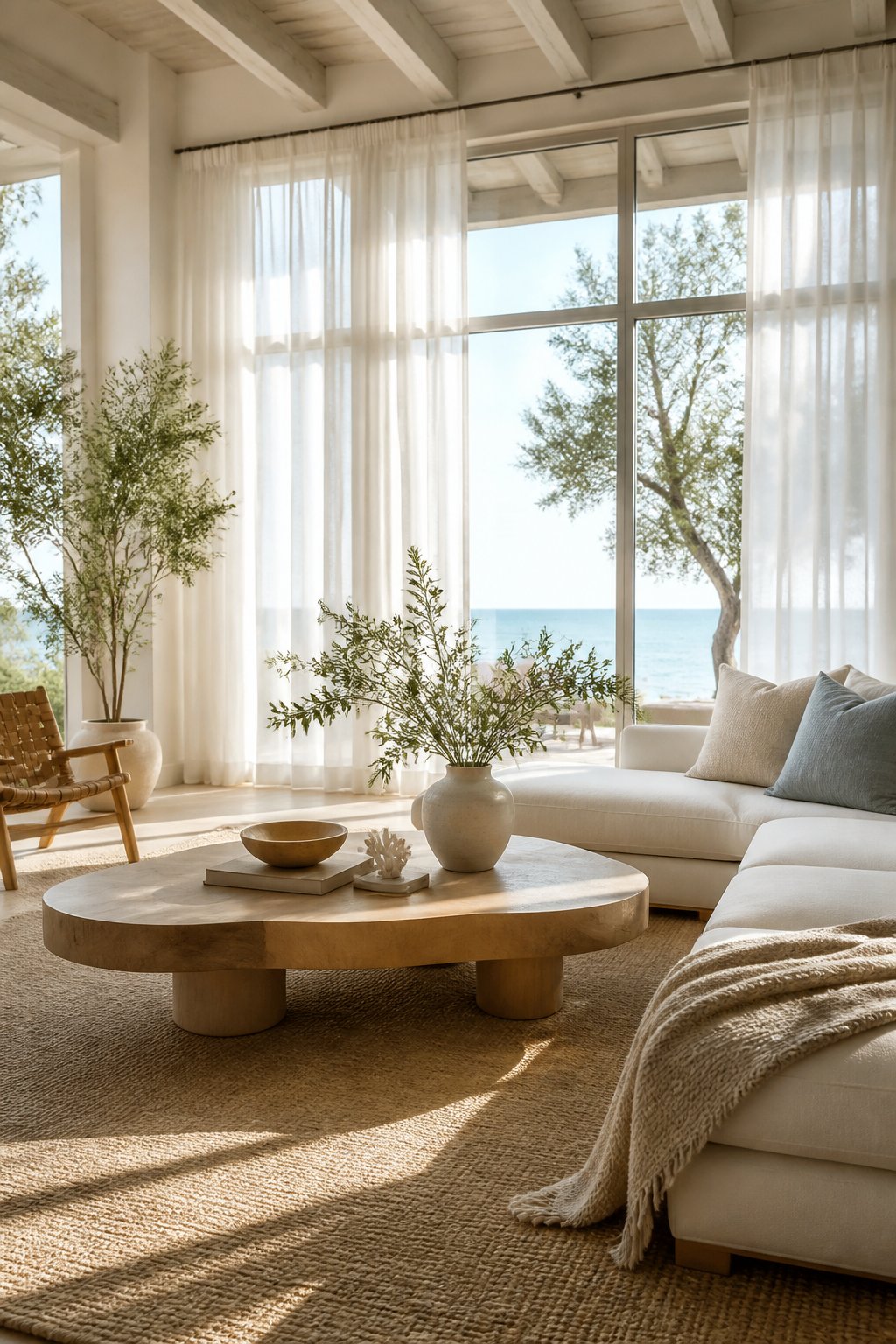
Natural light can make a room feel more open without adding square footage. I rely on two simple upgrades: hang airy window treatments correctly and place reflective wall decor where daylight can reach it.
Hang Sheer Curtains High and Wide
I hang sheer curtains close to the ceiling, then extend the rod 8 to 12 inches beyond each side of the window. This placement makes the window look wider and lets the fabric stack away from the glass, so more natural light enters the room.
Linen or linen-blend sheers add texture without making the space feel heavy. Choose white, ivory, or a soft sand color to keep daylight moving through the room. I prefer full-length panels that just skim the floor. They look more polished than short curtains, and they give the walls a taller appearance.
For privacy, layer the sheers with blackout panels on a double rod. Keep the heavier curtains pulled open during the day, especially in rooms that face north or sit beneath a porch. I once hung curtains directly over a small window, and the whole wall looked cramped. Moving the rod higher and wider fixed it in about 20 minutes.
Use Large Mirrors to Brighten Dark Corners
A large mirror can redirect daylight into a dim area, but placement matters. I position one across from or beside a bright window, then angle it slightly toward the room. Test the reflection first. A mirror facing a blank wall only reflects a blank wall.
Choose a simple frame in wood, brass, or matte black so it works as wall decor rather than looking like an afterthought. A floor mirror leaning against the wall adds height, while a wide rectangular mirror above a console can make a narrow entry feel broader.
Avoid placing mirrors where they reflect clutter, television screens, or harsh direct sun. Clean the glass regularly because dust quickly dulls the reflected light. In a dark corner, pair the mirror with a small plant or slim console, keeping the area edited so the reflection feels bright and intentional.
Layer Breezy Natural Textures
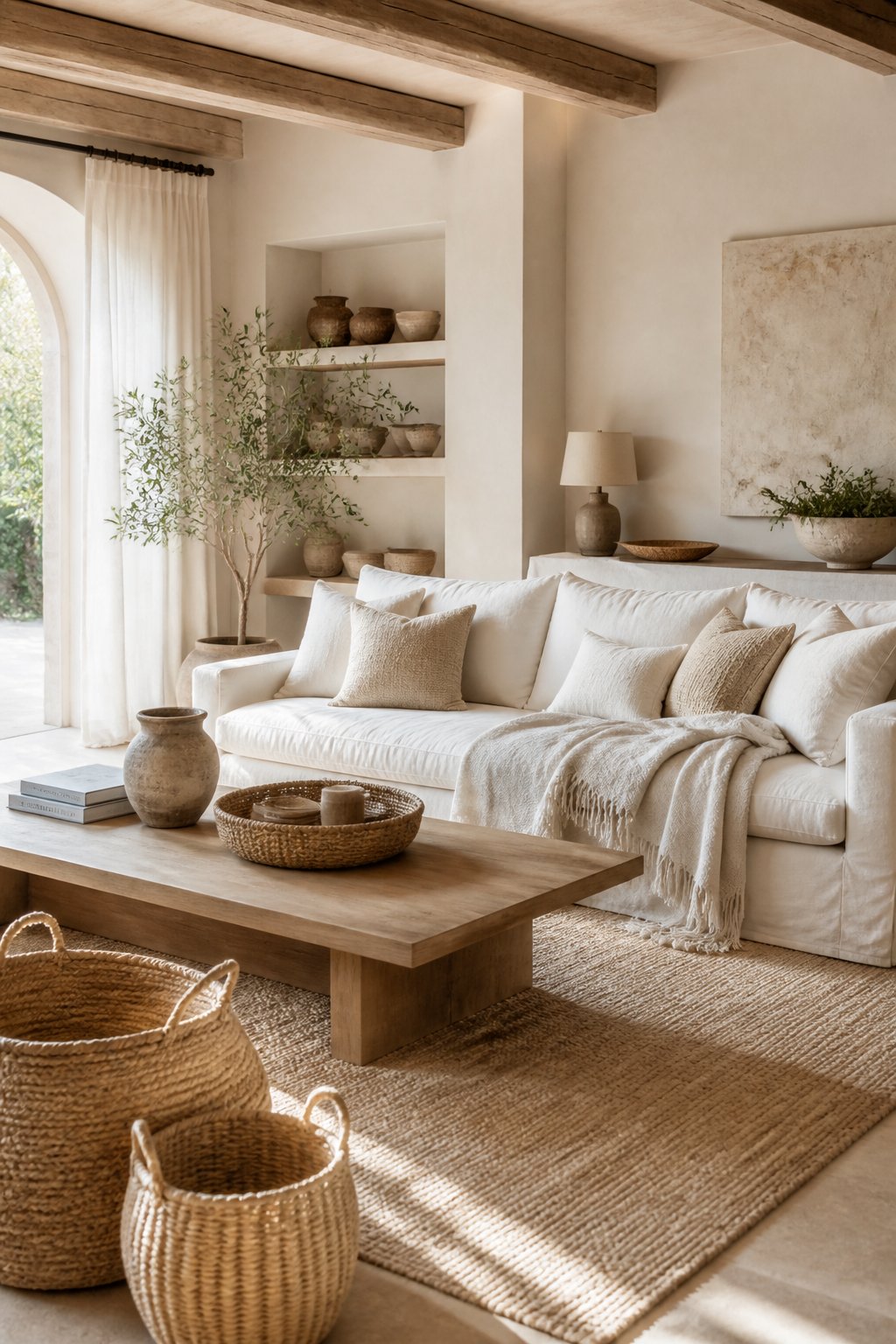
I use natural materials to add depth without making a room feel crowded. Jute, rattan, cane, wicker, seagrass, linen, and cotton bring in woven fibers and relaxed contrast while keeping the summer palette light.
Ground Seating Areas With a Jute Rug
I start with a jute rug because it adds texture underfoot and gives furniture a clear anchor. Choose a flat or low-pile weave in a natural tan shade, then check that it extends at least a few inches beyond the front legs of the sofa or chairs. In a small room, leave a border of visible flooring so the space doesn’t feel boxed in.
For a more layered look, I place a smaller jute rug over a larger neutral flatweave rug. The subtle pattern and rougher texture make inexpensive furniture look more considered. I once placed a jute rug too close to a patio door, and the edge caught every bit of dirt that came in. Now I leave a little clearance and use a rug pad to keep it flat.
Finish the seating area with a cotton throw, linen pillows, and a wood side table. Jute can shed at first, so vacuum gently rather than using a harsh brush.
Add Rattan, Cane, and Wicker Details
I bring in rattan, cane, and wicker through one or two useful pieces instead of filling every corner with baskets. A rattan armchair, cane-front cabinet, or woven pendant can become the main texture in the room. For smaller changes, try a wicker tray, seagrass basket, or woven planter.
Keep the shapes simple and pair these materials with solid fabrics. Linen curtains and cotton cushions soften the stronger weave, while cream, sand, pale green, and light wood create a clean summer palette. I like mixing finishes, but I avoid placing several identical baskets together because the display can look too staged.
Before buying, check the weave for loose strands and make sure seating feels sturdy. Place rattan or wicker away from constant moisture and direct sun when possible, since natural fibers can fade or weaken over time.
Style Surfaces With Fewer, Larger Pieces
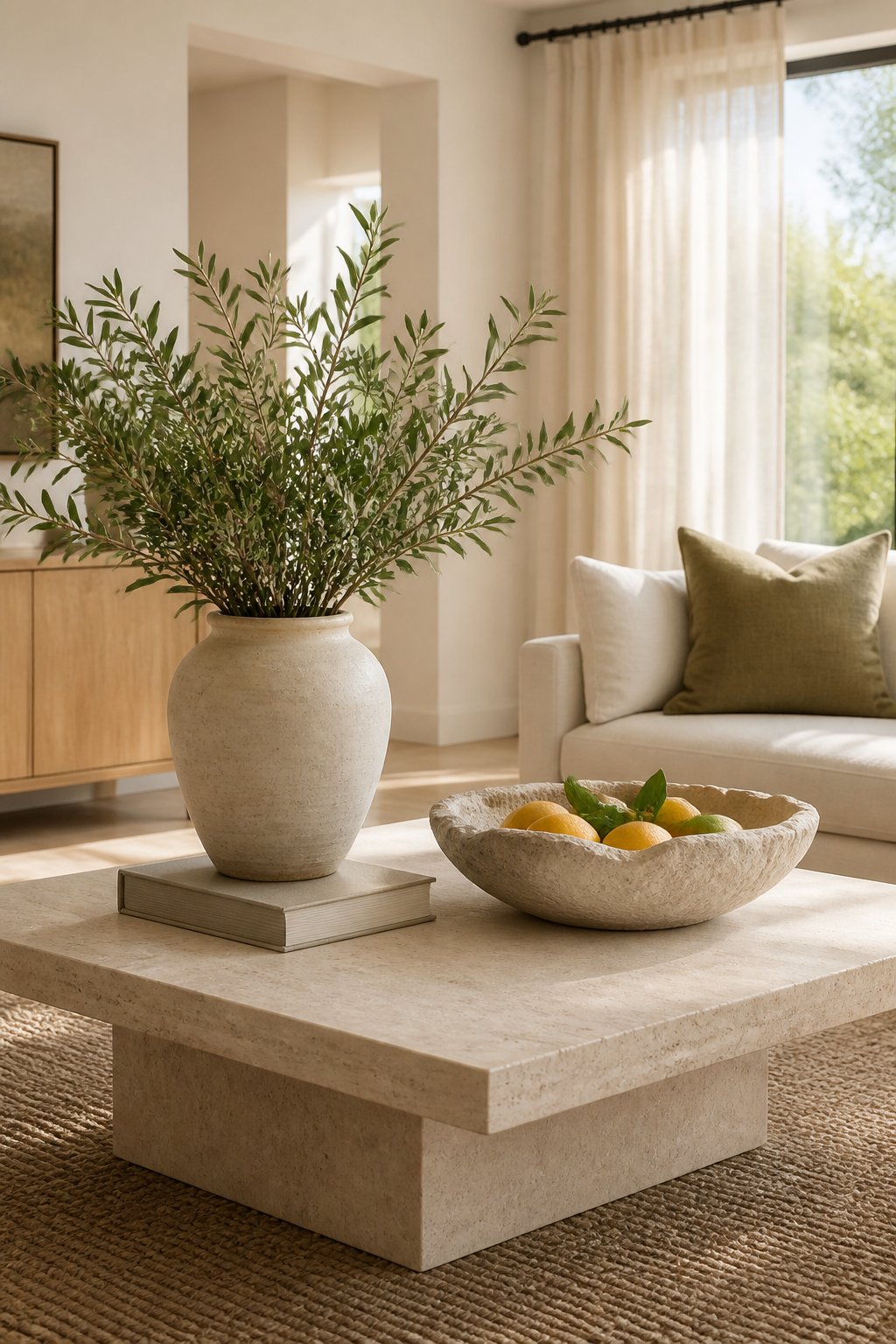
I get a more polished look when I clear away small clutter and give one or two strong pieces room to stand out. Negative space matters, especially in summer, because open surfaces make a room feel lighter and easier to use.
Create a Simple Coffee Table or Side Table Moment
I start with a tray, then add just three elements: a low vase, a candle, and one useful object such as a small bowl or book. This keeps the arrangement intentional without making the table feel staged. A statement piece, like a sculptural vase or oversized candleholder, can replace several smaller accessories.
For a coffee table, I like a rectangular tray that leaves visible space around the edges. On a side table, a compact table lamp works better than a pile of decorations. Choose a lamp with a linen shade, ceramic base, or brushed metal finish, then keep the remaining surface nearly clear.
I once styled a table with too many little objects and had nowhere to put my coffee. Removing half of them made the room look better and made the table work better, too. That’s the trick: style the surface, but don’t lose its purpose.
Bring Organic Luxury With Stone and Ceramics
Marble adds a refined touch through a tray, coaster set, candleholder, or small pedestal. I don’t need a large marble table to get the effect. One veined piece against a simple wood or glass surface gives the eye a clear focal point.
Ceramics bring shape and texture without requiring much color. I use a hand-thrown bowl, a matte vase, or a pair of pottery pieces in cream, sand, or soft gray. Keep their finishes slightly varied so the display feels collected rather than matched.
Add eucalyptus, fresh flowers, or fresh herbs in one sturdy vessel. A few eucalyptus stems suit a minimalist room, while basil or rosemary in a small ceramic pot works well in a kitchen. I change the greenery often, but I keep the container in the same neutral palette.
Add Greenery That Looks Intentional
I use plants as living decor, not as filler for empty corners. One strong focal plant or a small, coordinated grouping can add height, color, and texture while keeping the room polished.
Choose One Statement Indoor Plant
I like to start with one substantial plant that gives the room a clear focal point. A fiddle leaf fig works well beside a sofa or in an empty corner, while a bird of paradise adds height and broad tropical leaves near a bright window. For lower light, I’d choose a tall snake plant, which keeps a clean shape and needs little attention.
Use a simple pot with a finish that matches the room. A large ceramic planter looks refined, while a textured terracotta pot brings a more relaxed summer feel. Keep the plant slightly away from crowded furniture so its shape can stand out.
I once placed a fiddle leaf fig beside a bookcase, then realized the leaves were fighting with the shelves. Moving it about two feet away made the whole corner look planned instead of accidental. Check the plant’s light needs before buying, and use a quality artificial plant if the space stays too dark.
Group Small Plants in Terracotta and Ceramic Pots
I create small plant groupings with different heights, shapes, and leaf sizes. A pothos can trail from a shelf, while a compact snake plant or eucalyptus stems add upright texture. Three plants usually feel balanced, but I avoid lining them up like store displays.
Keep the containers connected through color or material. For example, I might combine two matte ceramic pots with one terracotta pot, then place them on a tray to make the arrangement feel deliberate. Vary the heights with a small stand or a stack of books, but leave enough space between leaves so each plant remains visible.
I also check the scale against nearby furniture. Small pots disappear on a large console, while oversized containers crowd a narrow windowsill. Choose plants with similar care needs when possible, and remove yellow leaves quickly so the grouping stays neat.
Extend the Refresh to Your Patio
I treat the patio like another room, so I start with comfort and finish with practical details. An outdoor sofa, natural materials, potted plants, and layered lighting can make the space feel polished without requiring a full makeover.
Create a Comfortable Outdoor Seating Zone
I begin with one strong anchor, such as an outdoor sofa in a simple neutral fabric. Add two wicker or rattan chairs if space allows, then arrange everything around a low table so people can talk without shouting across the patio. I look for weather-resistant cushions and washable covers, because pretty furniture that cannot handle real life gets old fast.
Natural materials add texture without making the area feel busy. A seagrass tray, woven ottoman, or rattan basket can hold throws and outdoor games. I also place potted plants at different heights, using one large planter beside the sofa and smaller pots on the table. Fresh flowers in a sturdy vase add color for very little money. I once used a mismatched collection of pots from a yard sale, and the mix looked more intentional than a matching set.
Layer Lighting and Finishing Touches for Evenings
I use at least two types of lighting instead of relying on one bright fixture. Hang string lights along a wall or railing, then add a floor lamp in a covered corner and small table lamps near the seating area. Choose outdoor-rated fixtures and keep cords away from walkways and standing water.
Candles provide a simple finishing touch, especially in glass holders that protect the flame from wind. I also like one statement piece, such as a colorful outdoor rug, oversized planter, or sculptural side table. Keep the rest of the patio decor restrained so that feature stands out. A tray with glasses, a bowl of lemons, and a few textured cushions can make the setup feel finished without cluttering every surface.