
13 min read
10 Genius Raised Garden Bed Ideas for Any Yard: Transform Your Outdoor Space

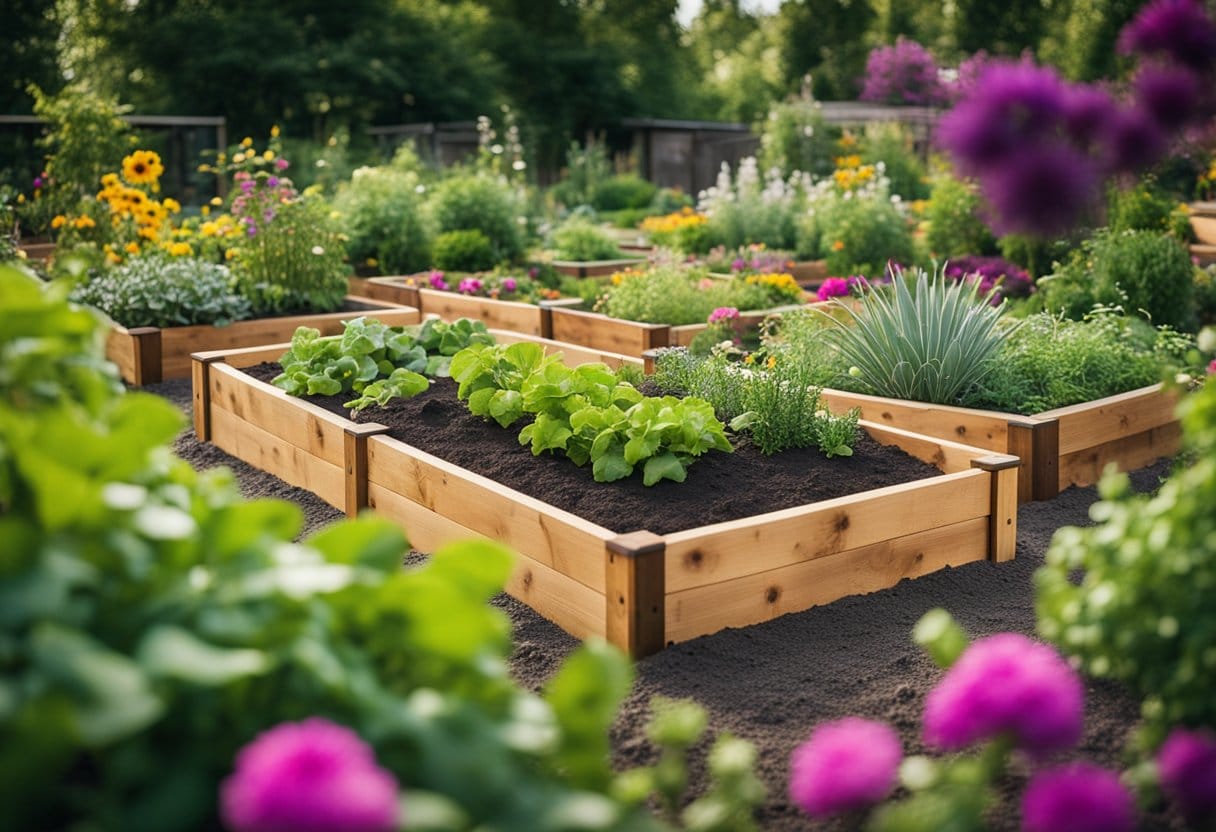
Ready to transform your garden space? Raised garden beds are a fantastic way to add a touch of creativity and functionality to any yard. Whether you’re working with a sprawling backyard or a compact city lot, these garden beds can be adapted to fit into any environment. With raised garden beds, you’re not just growing plants; you’re growing style, convenience, and improved crop yield.
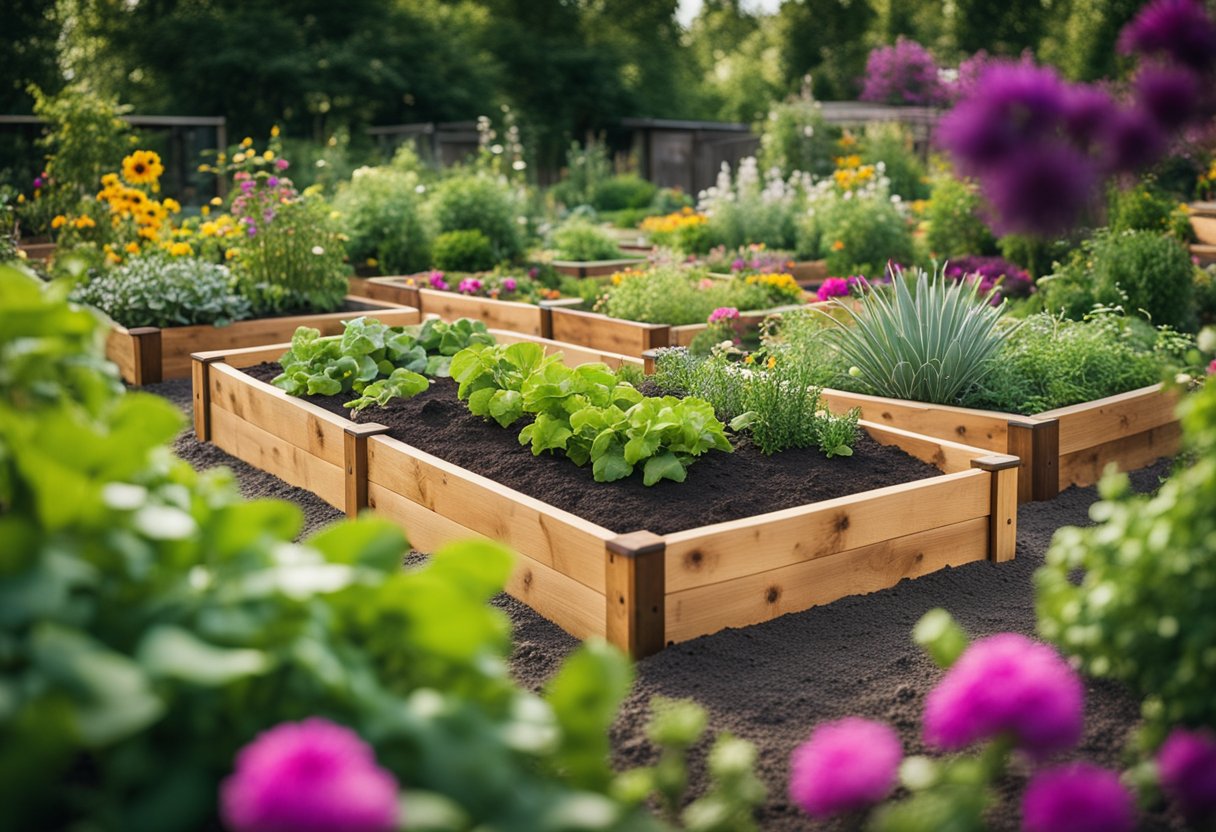
What makes raised garden beds even better is their versatility. You have the freedom to use various materials and designs to fit your personal style and gardening needs. Explore different ideas that not only maximize your growing space but also make your garden a true statement piece. Get ready to let your garden dreams grow wild!
1) Use Upcycled Furniture for a Unique Look
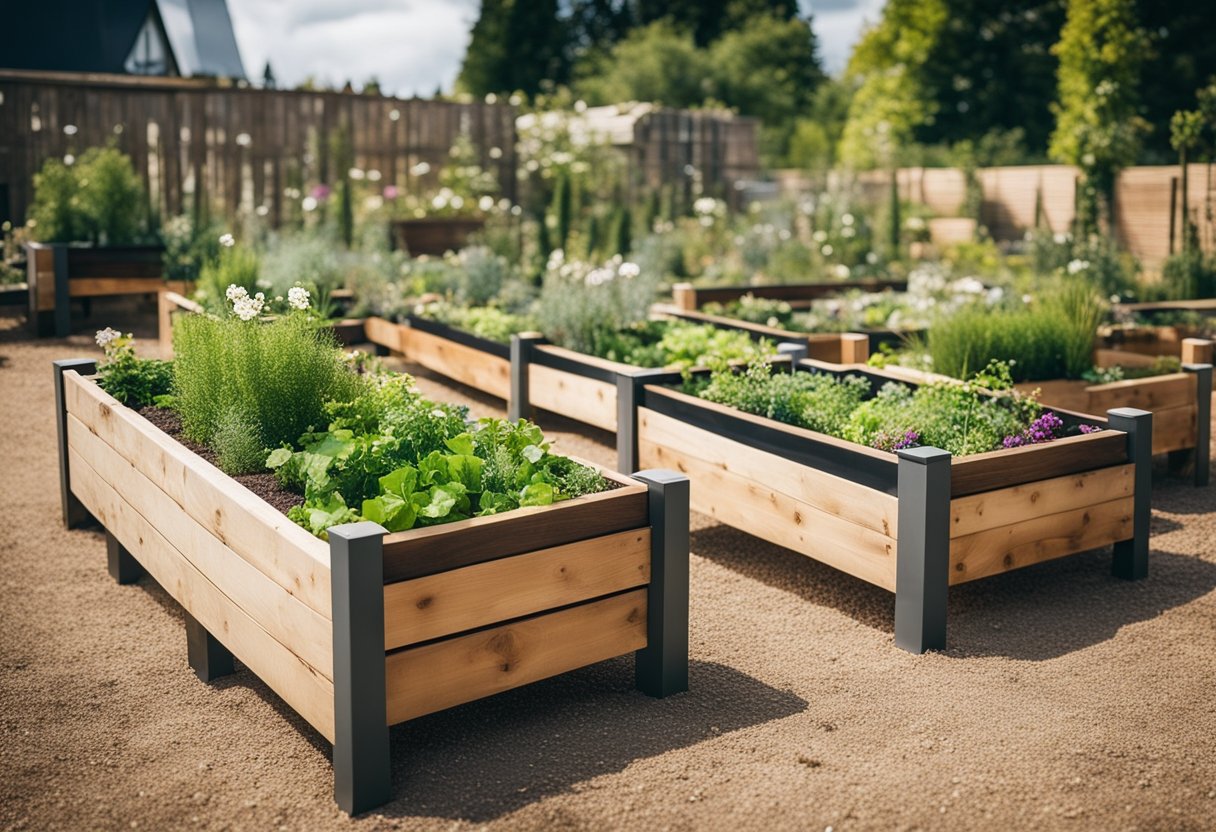
Have you ever thought about turning that old dresser in your basement into a garden bed? It’s not just about recycling; it’s about giving new life to forgotten items. By using upcycled furniture, you’re not only helping the environment but also adding a creative touch to your garden.
Grab some old chairs or a worn-out table and turn them into stylish garden beds. You can fill the drawers of a dresser with soil and plant your favorite flowers or herbs. The different drawers can hold various plants, creating a multi-layered effect that looks both organized and artistic.
Using items like vintage bathtubs or old ladders can also add a rustic charm to your yard. With a bit of paint or wood treatment, these pieces can withstand the weather and offer a unique spot for your plants. Plus, it’s a great way to save money while gardening!
2) Build a Vertical Garden for Small Spaces

Running out of room for your green dreams? A vertical garden could be your answer. Using walls or upright structures, you can grow plenty of plants without needing a big yard.
Think of trellises as a secret weapon. You can attach them to walls or even large containers. This gives plants like cucumbers and beans the support they need to climb.
Wall-mounted planters are a stylish choice. Use modular systems or hanging baskets to make the most of your space. These planters can give herbs or small flowers a cozy new home.
Vertical gardens aren’t just pretty—they’re functional, too. By stacking plants upwards, you can protect them from ground-dwelling pests. Plus, watering and harvesting become a breeze. Get ready to transform that small space into a lush paradise!
3) Incorporate a Rolling Steel Planter
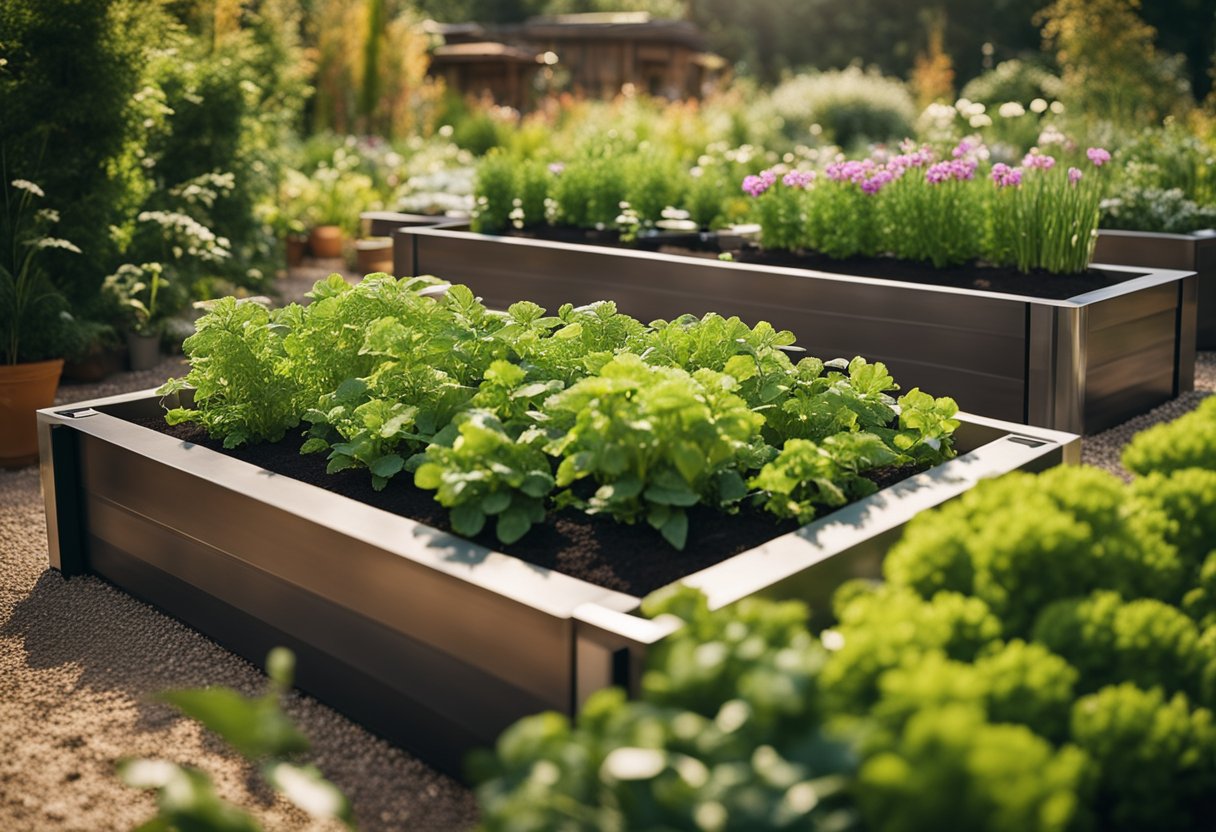
Imagine having a garden that moves with you! Rolling steel planters are not just a fad; they’re a game-changer for your yard.
With a set of wheels, you can move your plants to get the best sun, avoid pests, or even shield them from bad weather. It’s like giving your plants a new home anytime you want.
These planters are sturdy and stylish, made from durable steel that can withstand the elements. Plus, they give a modern touch to any garden space.
No big equipment is needed for this garden idea. A rolling planter is a perfect DIY project for anyone who loves gardening and wants flexibility.
It’s super easy to create, and you’ll have a blast picking out your materials to match your garden’s vibe. So why wait? Get rolling!
4) Create a Multilevel Bed for Better Soil Access

Hey there, gardening enthusiasts! Ever thought about giving your garden some levels? Multilevel raised beds are a game changer, giving every plant optimal soil access and adding a unique structure to your garden space.
With different heights, you can plant larger plants in the deeper sections while keeping smaller ones closer to the top. This setup allows you to tend to each plant easily and ensures they all get the nutrients they need.
Imagine this setup as steps in your garden. You’ll have an eye-catching feature that’s as functional as it is beautiful. Plus, your garden will feel more spacious and organized. Now that’s what I call a win-win for your yard!
5) Design a Spiral Raised Bed for Herbs
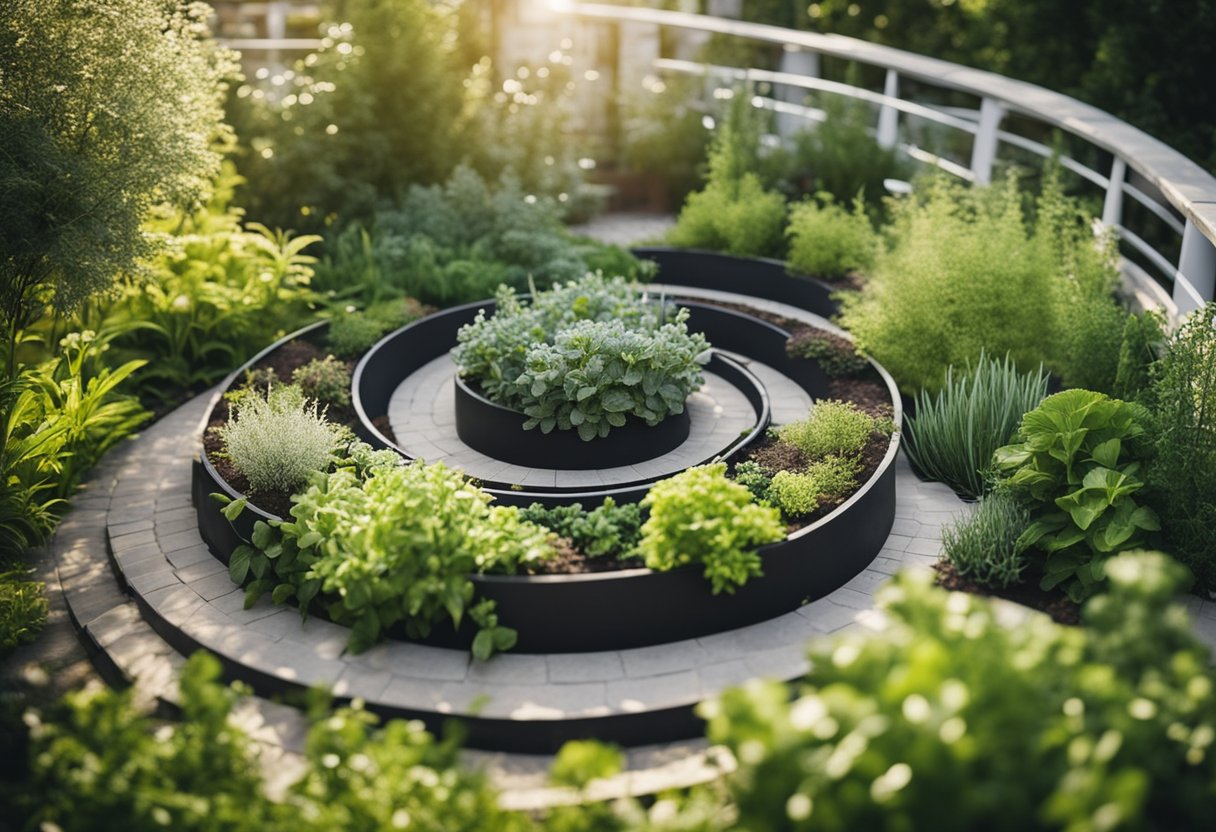
Transform your garden with a spiral raised bed—a space-saving and eye-catching way to grow your herbs. The spiral design optimizes space, making it ideal for small yards. You get different levels of planting space, perfect for a variety of herbs with different sunlight needs.
Begin by choosing a good spot for your spiral bed. It should have enough sunlight. Gather materials like stones, bricks, or rocks—you can even repurpose old edging stones. Start your spiral from the center and work outwards, creating the shape as you go.
Fill the spiral with soil and compost. As you move from the bottom to the top, adjust the soil quality. Use richer soil at the top for herbs that thrive on more nutrients. This will ensure herbs like rosemary, basil, and thyme grow their best.
Plant your herbs according to their sunlight and water needs. Less moisture-loving plants like rosemary go at the top. More water-loving herbs such as mint can go near the base. This smart design lets you keep a variety of herbs happy in the same garden bed.
6) Opt for Prefab Designs for Quick Setup
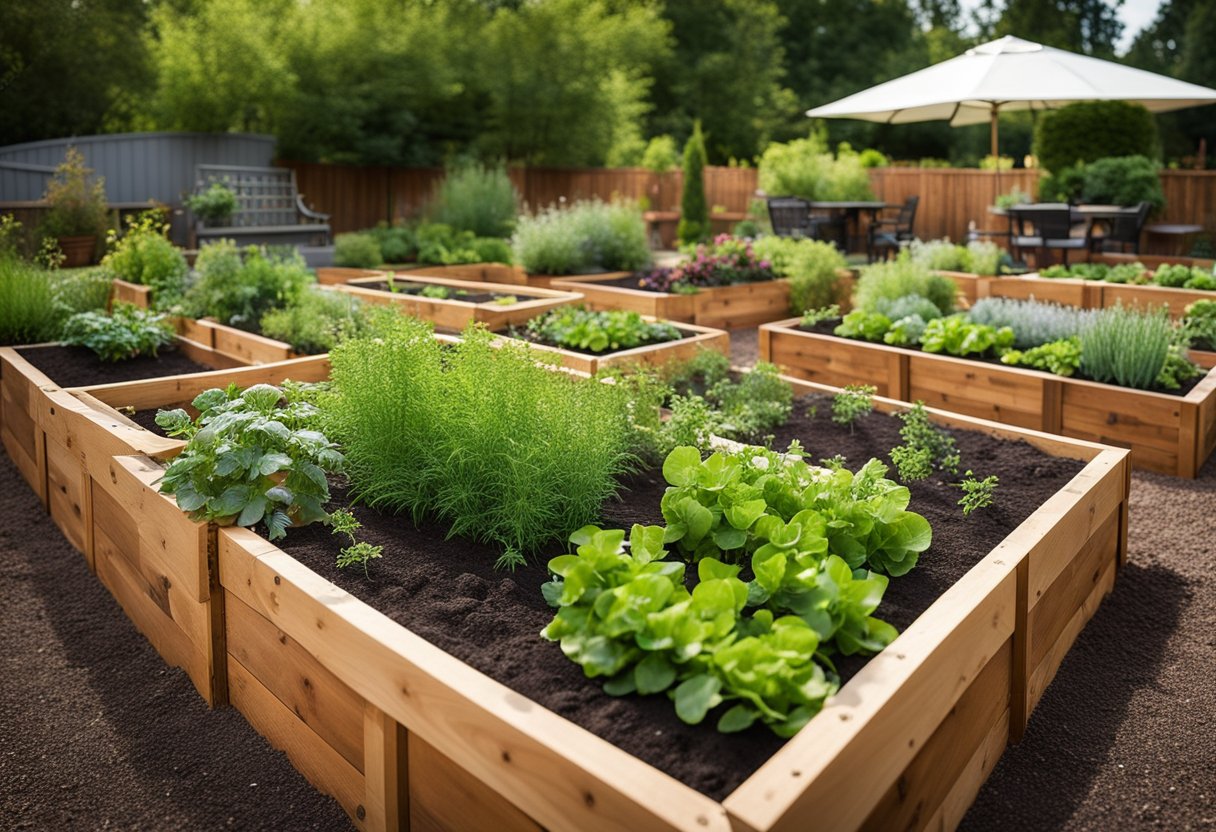
Have you ever thought about going with prefab raised garden beds? They’re perfect for getting started quickly and can be placed in almost any part of your yard! You won’t need special skills or tools to set them up, which means more time for planting and less time for building.
Prefab garden beds come in many sizes and shapes, allowing you to pick the one that suits your space best. Match the design with your yard’s layout or stick it in the corner of a small garden. They’re adaptable and super convenient!
If you’re worried about style, many prefab options look great, with neat finishes and solid construction. You can easily find ones that fit into your yard’s overall style—whether you want something modern or rustic. It’s like giving your garden an instant upgrade!
7) Try a Modular Kit for Custom Shapes
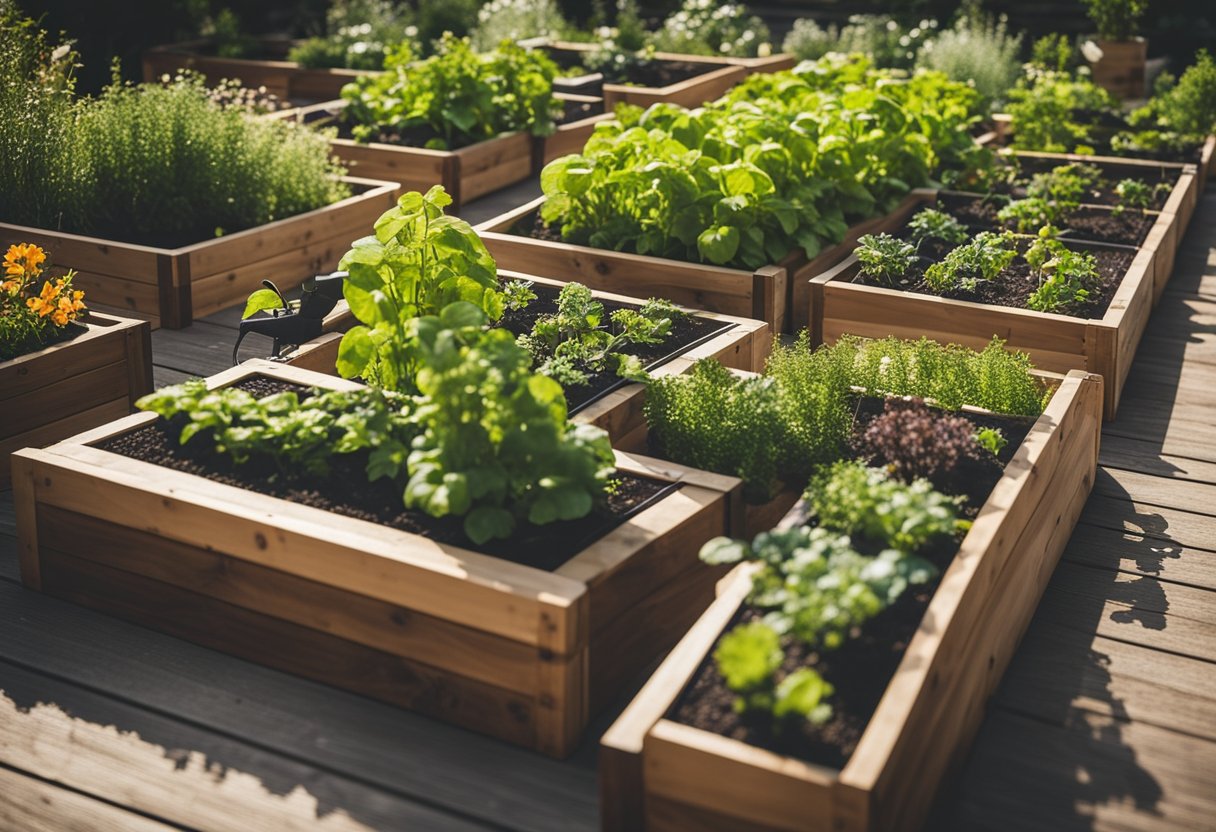
Looking to personalize your garden space? You might want to consider using a modular garden bed kit. These kits are popular because they let you create different shapes and sizes for your garden beds.
Whether your yard is small or big, these modular kits can be adjusted to fit just right. Some even offer up to 10 different configurations! So, if you feel like going from a square to a rectangle or even an L-shape, it’s all possible.
Plus, many of these kits are made from durable materials like metal, meaning they’ll last a long time. This way, you don’t just get a garden bed; you get versatility. Setting them up is usually a breeze, saving you time and effort.
So, why stick to traditional when you can go modular? Let your creativity run wild while building your garden exactly how you envision it.
8) Install a Self-Watering System for Easy Maintenance
Hey there, gardening enthusiast! Want to keep your raised garden beds thriving without constant fuss? A self-watering system is your new best friend.
You can use simple PVC parts and soaker hoses to create a water-saving marvel. The steady drip of water keeps your plants happy while reducing water waste.
If you’re feeling creative, you can even build your own DIY self-watering planters. All it takes is some basic DIY skills, a pond liner, drain pipe, and an inlet pipe. Just imagine the time you’ll save!
And don’t worry about space! You can place these self-watering beds anywhere—patios, balconies, even rooftops. Freedom and flexibility come with this ingenious setup.
So, let your garden grow effortlessly and enjoy more time sipping lemonade while your raised garden beds do the work for you.
9) Use Cinder Blocks for a Modern Edge
Are you looking to add some style and structure to your garden? Cinder blocks are a great choice. They’re sturdy, modern, and can be used in many creative ways. You can arrange them into different shapes to give your garden bed a chic, geometric look.
One awesome idea is to stack cinder blocks to create raised beds. This setup not only looks sleek but also solves drainage issues by elevating your plants off the ground. Plus, the holes in the blocks are perfect for growing smaller plants or herbs.
If you’re into customizable projects, painting the blocks in different colors can add a splash of personality to your garden. Bright colors or earthy tones, the choice is yours. This lets you sync the garden with your style while maintaining that modern edge.
10) Build a Wood and Steel Combination Bed
Ready to mix things up with your garden? A wood and steel combination bed might be just what you need. This creative design adds a modern touch to your yard while still being super functional.
First, gather your materials. You’ll need sturdy wood for the frame and some steel panels or sheets. The wood gives the garden bed a natural look, while the steel provides extra strength and a cool industrial vibe. It’s a design that balances both durability and style!
To put it together, start by building a simple rectangular frame with the wood. Then, attach the steel sheets to the inside. Steel helps retain heat, which can be great for your plants.
Make sure to choose the right wood and treat it properly to resist moisture. Cedar or redwood is a smart choice because it’s naturally rot-resistant. Ensure everything is bolted securely, and you’ll have a raised bed that’s both strong and stylish.
Growing your garden in a mix of wood and steel will not only make your space look unique, but it will also give your plants a happy, sturdy home. Happy gardening!
Benefits of Raised Garden Beds
Raised garden beds bring a host of advantages to your gardening space. You’ll find that they improve how water flows through the soil and let you start gardening sooner than you might think.
Improved Drainage
One of the best perks of having raised garden beds is improved drainage. These beds usually sit higher than the ground, which means water isn’t going to pool around your plants. Instead, water moves through the soil more easily, allowing roots to get the air they need.
This kind of setup helps plants grow healthier and prevents root rot. Especially if you’re in an area with heavy rain, you’ll notice how your plants thrive in these raised plots. Plus, with reduced standing water, you’re less likely to see issues like fungal diseases.
Creating good drainage helps keep your plants happy and healthy, and that means better veggies for your table!
Extended Growing Season
Another awesome benefit of raised garden beds is they can extend your growing season. Since the beds are elevated, they warm up faster in spring than the ground. This lets you start planting earlier. An early start can mean earlier harvests.
In areas with cool nights, the soil stays a bit warmer, which can keep your plants comfortable. Sometimes a simple cover or hoop house added over the bed can protect against unexpected frosts.
Getting that jump-start can be the difference between a good garden season and a great one. It means more fresh food for you and your family, and who wouldn’t want that?
Designing Your Raised Garden Bed
Creating a raised garden bed means thoughtful planning and design. You need to consider the best materials to use and find the perfect spot in your yard. These steps ensure your plants can thrive.
Selecting the Right Materials
The choice of materials can affect how durable and easy to maintain your garden bed is. Wood is a popular option because it’s natural and blends into many gardens. Choose untreated wood like cedar or redwood, which are naturally resistant to rot.
If you’re looking for a budget-friendly option, reclaimed wood may be a great choice, though it might require more upkeep. For something sleek and modern, galvanized metal beds offer a sturdy option that adds a contemporary touch to your garden.
Concrete blocks or bricks, while heavy, provide solid borders that last. Plastic or composite lumber also offers a low-maintenance and long-lasting alternative. Making your decision depends on your budget, style preference, and the climate you live in, as some materials fare better in certain weather conditions.
Choosing the Perfect Location
Your garden’s location is crucial for healthy plants. Look for a sunny spot that gets at least six to eight hours of direct sunlight daily. Avoid placing your bed near large trees or structures that may cast shade.
Think about convenience too. Having your garden bed close to a water source can make watering easier. Additionally, avoid areas prone to flooding or where water may pool, as excessive moisture can hamper plant growth and lead to root rot.
Consider accessibility. If you can easily reach your plants, maintaining them will be much more straightforward. By choosing the right location, you’re giving your garden the best chance to flourish.
Maintaining Your Raised Garden Bed
Keeping your raised garden bed thriving involves taking steps to manage the soil and guard your plants against pests. These tasks ensure your garden stays healthy and productive through each season.
Soil Management Tips
Keeping your soil rich and healthy is key to success. Start by choosing good quality soil, often a mix of topsoil, compost, and other organic material. After every growing season, adding compost can help replenish nutrients.
Make sure the soil stays aerated. This means turning it with a garden fork or tilling carefully. This helps water and air to reach roots easily.
Also, keep the pH level in check. Test your soil’s pH every so often to know if it needs any adjustments. Most veggies and flowers do best in slightly acidic to neutral soils, between 6 to 7 pH.
Mulching is another smart move. Add a layer of organic mulch on the surface. This helps retain moisture and keeps weeds away while slowly adding nutrients back as it breaks down.
Consistent watering is crucial. Water deeply but not too often, aiming for mornings or evenings when it’s cooler to prevent evaporation.
Pest Control Strategies
Pests can be sneaky! Your first line of defense: inspect plants often. Look for any unusual marks or chewed leaves. Catching problems early can prevent bigger issues later on.
Consider using natural defenders like beneficial insects. Ladybugs and lacewings adore munching on pesky aphids. You can also plant flowers like marigolds which some pests don’t like.
For a more hands-on approach, use barriers. Covers or floating row covers can act like mini shields, keeping pests away from those tender leaves.
Additionally, if an infestation occurs, think about homemade remedies. Mix soap and water to spray on leaves or use neem oil as a natural treatment. Just make sure to apply these options early in the day to stop plant damage.
Rotation of crops with each season can also confuse or deter pests lingering in the soil. Plus, it helps in maintaining soil health!
Remember, a proactive strategy combined with nature-friendly solutions will keep your garden buzzing with life.