
6 min read
Connecticut Barndominium (What You’ll Learn)


Edited by: Louise (Editor In Chief)
Fact/quality checked before release.
Fact/quality checked before release.
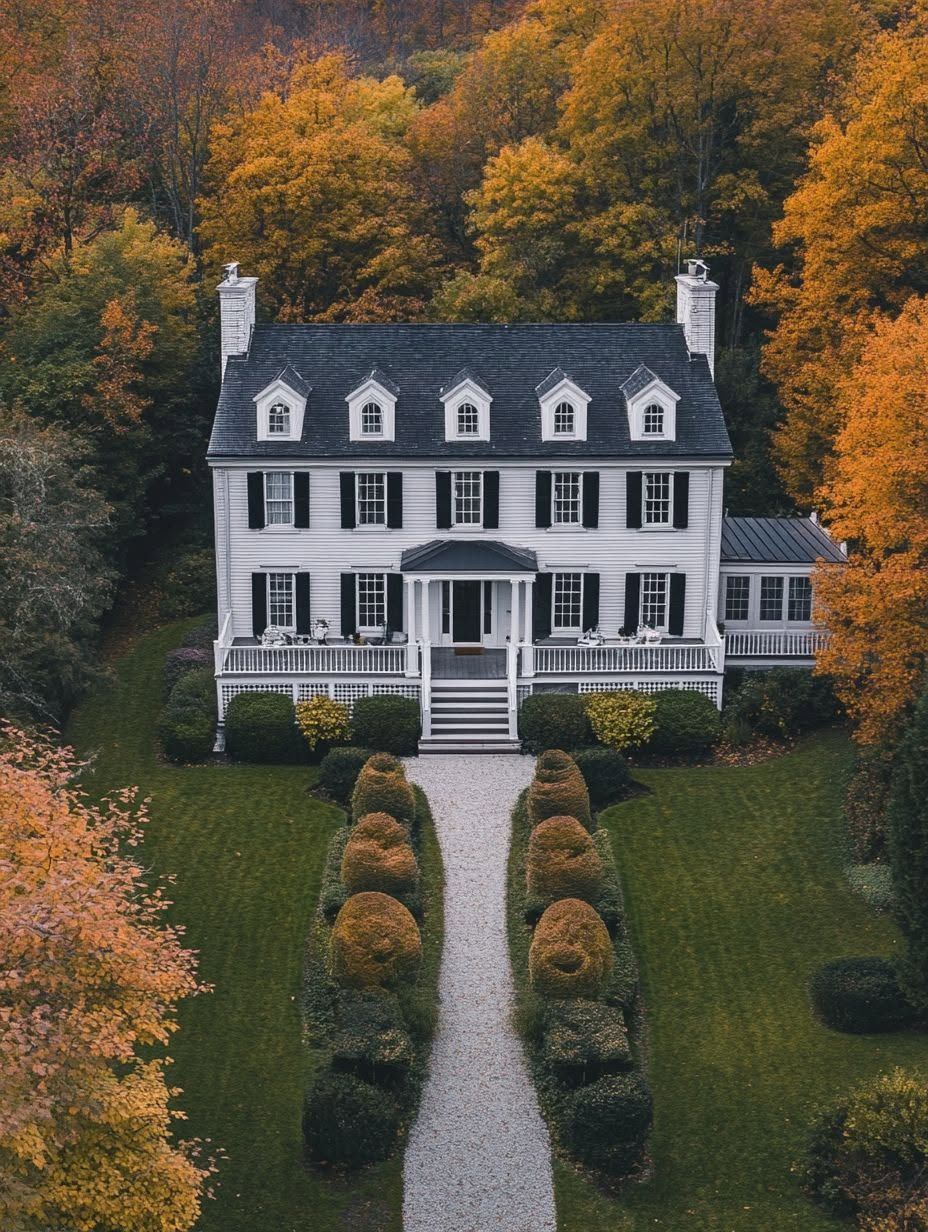
I love a home that makes you stop for a second and go, wait… why does this feel so good? That’s the magic of a great Connecticut barndominium. It’s got the bones of something sturdy and practical, but the feeling is pure getaway. In this text, I’m walking you through what gives this kind of home its New England soul, from the barn-style exterior to the bright interiors, smart layout, and all those little textures that make a place feel finished. And trust me, some of the best parts are the details people almost miss.
What Makes This Connecticut Barndominium Feel Distinctly New England
There’s a reason some homes feel rooted the second you see them. A Connecticut barndominium can borrow from old farm buildings, coastal cottages, and classic country houses without turning into a costume. That balance is the trick.
For me, the New England feeling starts with restraint. Not flashy. Not trying too hard. Just honest materials, clean lines, and a sense that the house belongs to the land around it. In Connecticut, that often means weathered wood tones, stone, black window trim, pitched rooflines, and a shape that looks like it could handle snow, wind, mud, kids, dogs, all of it.
I once walked into a renovated barn home after tracking in half a yard of slush, and the owner just laughed and handed me a towel. That stuck with me. A real retreat up here isn’t precious. It’s beautiful, sure, but it can take a hit. That’s a very New England thing. Pretty, practical, and just a little stubborn.
A Barn-Inspired Exterior With Timeless Regional Character
The outside does a lot of heavy lifting. If the exterior is right, the whole place already feels grounded before you even open the door.
A barn-inspired home in Connecticut usually leans on simple geometry. Think a long rectangular form, a steep gable roof, maybe board-and-batten siding, and windows placed with enough symmetry to feel calm. It doesn’t need fancy trim everywhere. In fact, too much decoration can kill the effect.
What works best is when the exterior nods to historic barns without copying them board for board. A matte metal roof can look sharp and still fit the setting. So can painted wood siding in white, deep charcoal, soft gray, or that moody red that looks incredible in fall.
And the site matters too. Put that structure against stone walls, mature trees, or a long gravel drive, and suddenly it feels like it’s been there forever. That’s the goal, honestly. Not new for the sake of new. New, but with a little soul baked in.
Warm, Light-Filled Interiors That Balance Rustic And Refined
Inside, this is where a Connecticut barndominium can really win people over. The best ones don’t feel dark or rough. They feel open, bright, and relaxed, with enough rustic character to keep things interesting.
Big windows do a ton of work here. New England light changes fast through the seasons, and you want to catch all of it. Morning light across wide-plank floors. Late afternoon sun hitting limewashed walls. Even a gray day can look beautiful if the interior has the right palette.
I like spaces that mix exposed beams with softer finishes. Maybe there’s reclaimed wood overhead, but the kitchen has clean cabinetry and quiet hardware. Maybe the fireplace is rugged stone, but the furniture is tailored and simple. That push and pull keeps the house from feeling too farmhouse-themed, which, let’s be honest, can get corny real fast.
The sweet spot is lived-in but not messy. Warm but not heavy. You walk in and think, yeah, I could stay here all weekend. Or all winter.
How The Layout Supports Everyday Living And Weekend Getaways
A retreat only works if the layout makes life easier, not harder. That’s one of the biggest strengths of barndominium living.
Most designs are built around open common areas, and that makes sense. The kitchen, dining, and living space become one flexible zone where people can cook, hang out, read, or stare out at the trees with a cup of coffee and absolutely no plan. I’m a fan of that.
But open doesn’t mean chaotic. The smart layouts still carve out private corners. A first-floor primary suite can make daily living easier. A mudroom is almost non-negotiable in Connecticut, because boots, coats, wet dogs, and grocery bags have to land somewhere. Loft spaces or tucked-away guest rooms help the house shift into weekend mode when friends come by.
That flexibility is huge. On a Tuesday, it works like a practical family home. On a chilly October weekend, it turns into a getaway spot with almost no effort. Same house, two moods. Thats a pretty great trick.
The Materials, Textures, And Details That Create The Retreat Atmosphere
This kind of home lives or dies on materials. Seriously. You can have a great structure, but if the finishes feel flat, the retreat feeling never shows up.
I’d start with texture. White oak floors, hand-troweled plaster, aged brass, natural linen, wool throws, soapstone, unlacquered hardware, maybe even rough ceiling beams if they’re done right. These surfaces catch light differently, and that gives the home depth. It feels layered instead of showroom-perfect.
Then there are the details that sneak up on you. Built-in benches near the entry. A chunky farmhouse table that’s actually useful. Library sconces by the bed. A coffee station tucked into a pantry. Those little moves tell you someone thought about how the house would really be used.
And I have to say it, a wood stove or fireplace changes everything. I was in a place once where the fire popped all evening while sleet hit the windows, and nobody wanted to leave. That sound alone can sell the whole dream.
Why Barndominium Living Works So Well In Connecticut
Connecticut is kind of ideal for this style of home. It has the seasons, the landscape, and the architectural history to make a barndominium feel natural instead of trendy.
First, the climate. You want a house that can handle winter, open up in spring, glow in summer, and look ridiculously good in fall. A well-built barndominium does all of that. High ceilings can create drama, but with proper insulation and efficient systems, they can still be comfortable. Energy performance matters a lot more in 2026 than it did a few years ago, especially with rising utility costs and stricter expectations around building durability.
Second, Connecticut has room for this look. Rural pockets, horse properties, wooded lots, and edge-of-town parcels all suit a barn-inspired design. It can feel at home in Litchfield County, along the Quiet Corner, or even in a semi-suburban setting if the landscaping is handled right.
And maybe the biggest reason it works? People want homes that do more now. A primary residence, a weekend retreat, a work-from-home base, a place for family to gather. This style can pull that off without feeling fake or overbuilt.
Conclusion
A beautiful Connecticut barndominium works because it blends toughness with comfort. That’s the whole charm. It looks grounded, feels calm, and can handle real life while still giving you that getaway exhale. If a home can do all that without showing off too much, I think it’s onto something pretty special. And honestly, New England gets that better than most places.